Pilates at Home Comparison
Reformer vs Mat Pilates: What Each One Is Actually For
Mat is not the version you do when you cannot afford the machine. Studios teach both because they train different things.
We earn a commission when you buy through links on this page, at no extra cost to you. It never decides a ranking: the method is published. How we are funded
Side by side
The two, next to each other
 Stock photo
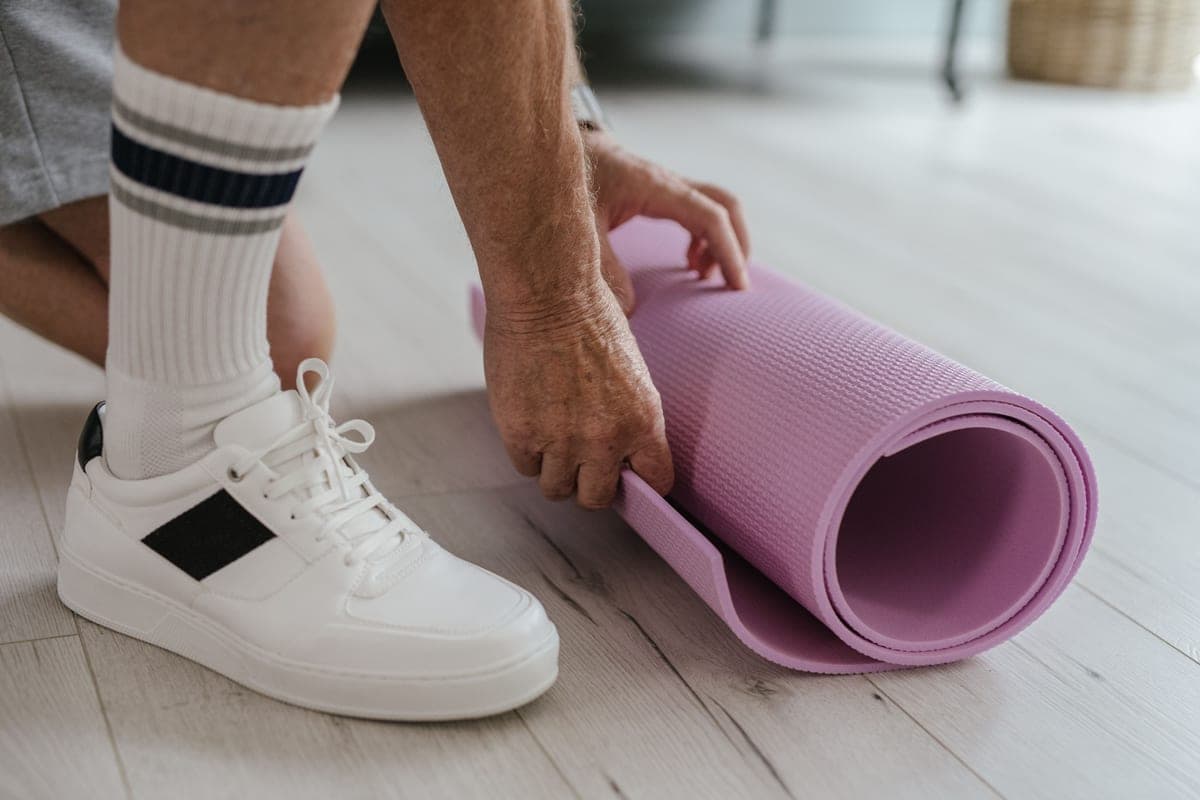
For mat pilates
Manduka X Mat 5mm
Firm and stable under rolling weight. The whole equipment list for the foundation of the method.
Check price on Amazon#ad · Price set by Amazon · Affiliate disclosure for the link to Manduka X Mat 5mm
 Stock photo
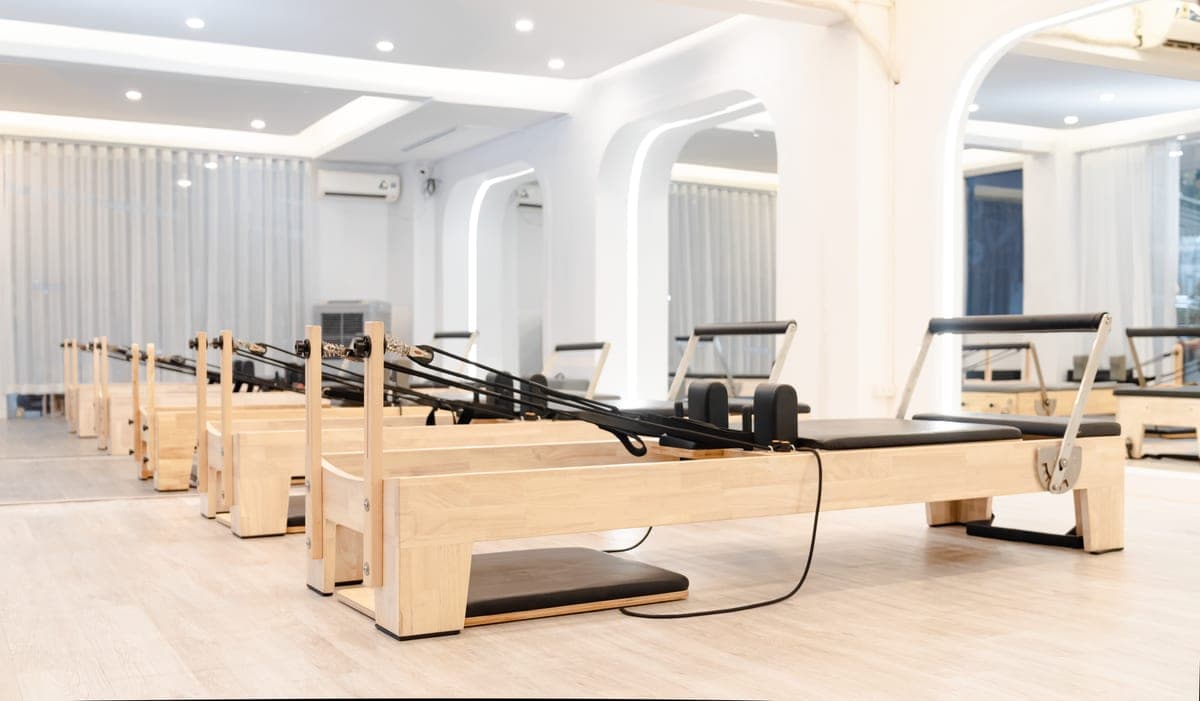
For reformer pilates
Merrithew At Home SPX Reformer
Springs, a carriage and a footbar, folding flat. The addition, once the foundation exists.
Check price on Amazon#ad · Price set by Amazon · Affiliate disclosure for the link to Merrithew At Home SPX Reformer
The verdict
Start with mat. Add reformer if you want to, not because mat is the lesser version. The method was built on the mat repertoire, the machine was designed to assist and resist that repertoire, and studios that teach both do so because the two train different qualities.
Side by side
| Mat pilates | Reformer pilates | |
|---|---|---|
| Equipment | A mat | A reformer |
| Resistance | Your bodyweight | Springs, adjustable |
| Support | None | The carriage can assist as well as resist |
| Feedback | From the floor | From the carriage moving |
| Progression | Harder variations | Change the spring load |
| Where you can do it | Anywhere | Wherever the machine is |
| Cost to start | A mat | A significant purchase or class fees |
The row that matters most is support. A reformer can make an exercise easier as well as harder, because the springs can carry part of your weight. That is why it is used so widely in rehabilitation settings, and it is something the mat cannot do at all.
Which is harder?
Mat, for a beginner. Reliably, and it surprises people.
On the mat there is nothing to help you. Your bodyweight is the load and there is no spring to take a share of it, so an exercise is either within your current strength or it is not. On a reformer, the spring setting can be adjusted until the movement is achievable, which is precisely what makes the machine so useful for people building back up.
At the other end, the reformer wins on ceiling. Once mat exercises get easy, your options are harder variations; on a reformer you add spring load, change the footbar and move into a repertoire that keeps going for years.
So: mat is harder to start and easier to exhaust. The machine is easier to start and much harder to finish.
In detail
Both, in full
Stock photoFor mat pilates
Manduka X Mat 5mm
As the manufacturer lists it · Manduka
What it gets right
- Stable under rolling and shifting weight, not just static poses
- Wipes clean quickly
- Textured both sides so it does not slide on the floor
What it does not
- Less cushion than a dedicated pilates mat
- No alignment markings
- Firm surface takes getting used to after a foam mat
Skip it if
your practice is almost entirely seated or kneeling — you will want more padding.
#ad · Price set by Amazon · Affiliate disclosure for the link to Manduka X Mat 5mm
Stock photoFor reformer pilates
Merrithew At Home SPX Reformer
As the manufacturer lists it · Merrithew
What it gets right
- Springs, not cords — the resistance curve is the studio one
- Folds down, so a living room is viable
- Merrithew carriage quality and a full accessory range
What it does not
- Expensive next to a bar or a board
- Still large and heavy even folded
- Four springs rather than five limits the top end
Skip it if
you want to try reformer-style work before committing real money.
#ad · Price set by Amazon · Affiliate disclosure for the link to Merrithew At Home SPX Reformer
Which to do first
Mat, for three reasons that have nothing to do with money.
The vocabulary. Reformer instruction assumes you know what the cues mean — what it feels like to keep the pelvis still, to breathe into the ribs, to move one limb without the rest following. That is built on the floor.
The honesty. Without a spring to lean on, the mat tells you exactly where you are. On a machine it is easier to let the equipment do part of the work without noticing.
The information. Twenty mat sessions tell you whether you like pilates, which is worth knowing before a machine arrives. This is the single most common regret in the category and it is entirely avoidable.
What to buy for the mat version is short: the list is here, and the mat picks are here. When you are ready for the machine, home reformers is the next page.
Doing both, which is what studios actually do
The framing of this as a choice is mostly an artifact of how equipment gets sold. In a studio the two are not alternatives — most teaching programs run them together, and the reason is worth understanding because it tells you how to structure a home practice.
The mat teaches, the machine loads. You learn what an exercise is supposed to feel like on the floor, where nothing is helping you, and then the reformer lets you do it with more resistance, more assistance, or through a longer range. Go the other way round and you learn the machine's version of a movement and inherit whatever compensation the springs were hiding.
They fail differently. Mat work plateaus: once the standard exercises are easy your options are harder variations, and at some point the progression genuinely runs out. Reformer work does not plateau nearly as fast, and it also makes it easier to coast, because the springs will happily carry a share of the work you were meant to do.
A sane home split. Two mat sessions a week to a third on the machine, if you have one. Every studio program looks roughly like that, and it is the ratio to aim for rather than replacing the floor entirely the moment equipment arrives — which is what most people do and then wonder why the machine gets less use by month four.
How we picked
Chosen on published criteria, and we say so
Most gear sites open by telling you how many hours they spent with the products. We have not used most of these, and we would rather say so than imply otherwise. Every pick here is chosen against criteria we publish — grip, cushioning, size options, what buyers report after a year of use, and whether the thing is still actually sold — and every manufacturer figure on the page is labeled as the maker's claim.
Nobody pays for a place on this page, no product was supplied free in exchange for coverage, and a specification the maker does not publish is never guessed at. See the full criteria and weighting.
FAQ
Questions people ask
Is mat pilates as good as reformer pilates?
Is reformer pilates harder than mat?
Should I start with mat or reformer?
Related
Keep reading
Update log
What changed
- First published.
Receipts
Sources
- 1.Merrithew — Pilates equipment shop
- 2.Saran Pilates — Which reformer should I buy?
- 3.Balanced Body — Pilates equipment
- 4.NCCIH (US National Institutes of Health) — Yoga: What You Need To Know
We have not used every product on this page, and we do not pretend otherwise. Thicknesses, materials, sizes and warranty terms are the manufacturer's published figures, shown as their claims. Anything about materials, skin or injury is linked to a source. Prices are set by Amazon and change constantly, so we never print one. Read the full method.