Blocks, straps and props
Blocks, Straps and Props: What Is Worth Buying
Two blocks and a strap cover almost everything a beginner is asked for. Here is what each prop actually does, and which ones you can skip.
9 pages in this section · How we pick
We earn a commission when you buy through links on this page, at no extra cost to you. It never decides a ranking: the method is published. How we are funded
Start here
Read this one first
Best picks
The Best Yoga Blocks for Beginners
Five blocks from cheap foam to bamboo, what size to buy, and the one question — do you lean on it or stand on it — that decides the material.
Read itTop pick: Gaiam Yoga Essentials Foam Block
#ad · Price set by Amazon · Affiliate disclosure for the link to Gaiam Yoga Essentials Foam Block
Best picks
Ranked picks
Best picks
Best yoga straps
Buckled straps, multi-loop stretch straps and mat slings compared, with the length-by-height rule most bundles get wrong.
Top pick: Trideer Yoga Strap
Check price on Amazon#ad · Price set by Amazon · Affiliate disclosure for the link to Trideer Yoga Strap
Best picks
Best yoga bolsters
Three bolsters compared on shape, firmness and what each is for, plus an honest answer on whether folded blankets would do.
Top pick: Hugger Mugger Standard Yoga Bolster
Check price on Amazon#ad · Price set by Amazon · Affiliate disclosure for the link to Hugger Mugger Standard Yoga Bolster
Best picks
Best yoga wheels
Grooved back rollers against wide backbend wheels, three picks, what diameter to choose, and an honest note on who should not buy one.
Top pick: UpCircleSeven Yoga Wheel
Check price on Amazon#ad · Price set by Amazon · Affiliate disclosure for the link to UpCircleSeven Yoga Wheel
Two blocks and a strap
That is the whole starter list, and it has not changed in decades because it does not need to. Blocks bring the floor closer to your hands; a strap makes your arms longer. Between them they let you do almost every beginner pose at your actual range of motion instead of a compromised version of it, which is the entire argument for props.
Buy two, not one. Half the poses that call for blocks call for a pair, and buying the second one three weeks later in a different color is a small, permanent annoyance. Our block picks and strap picks cover both, and the set guide covers when buying them bundled is the better move.
How props divide
Blocks: by material
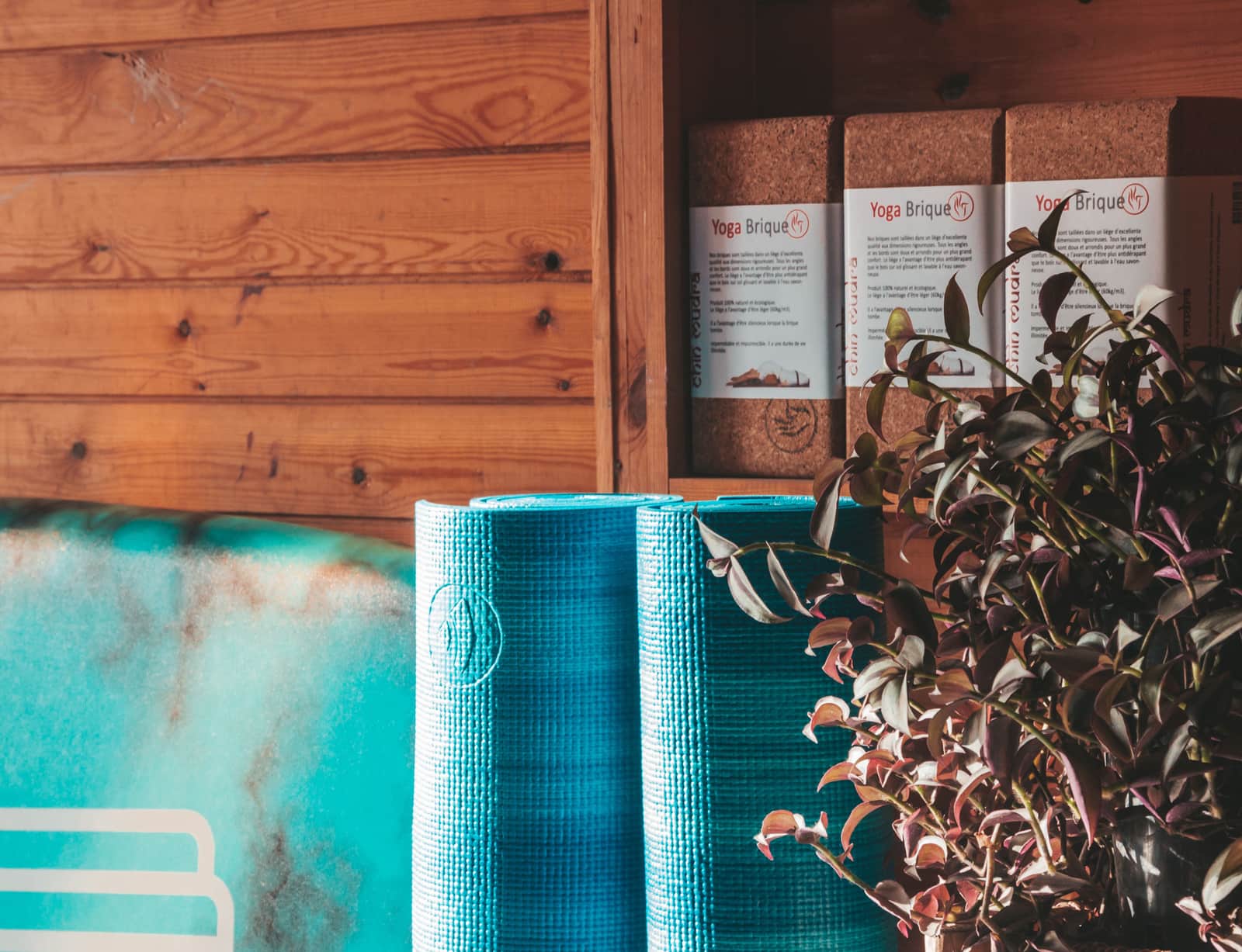
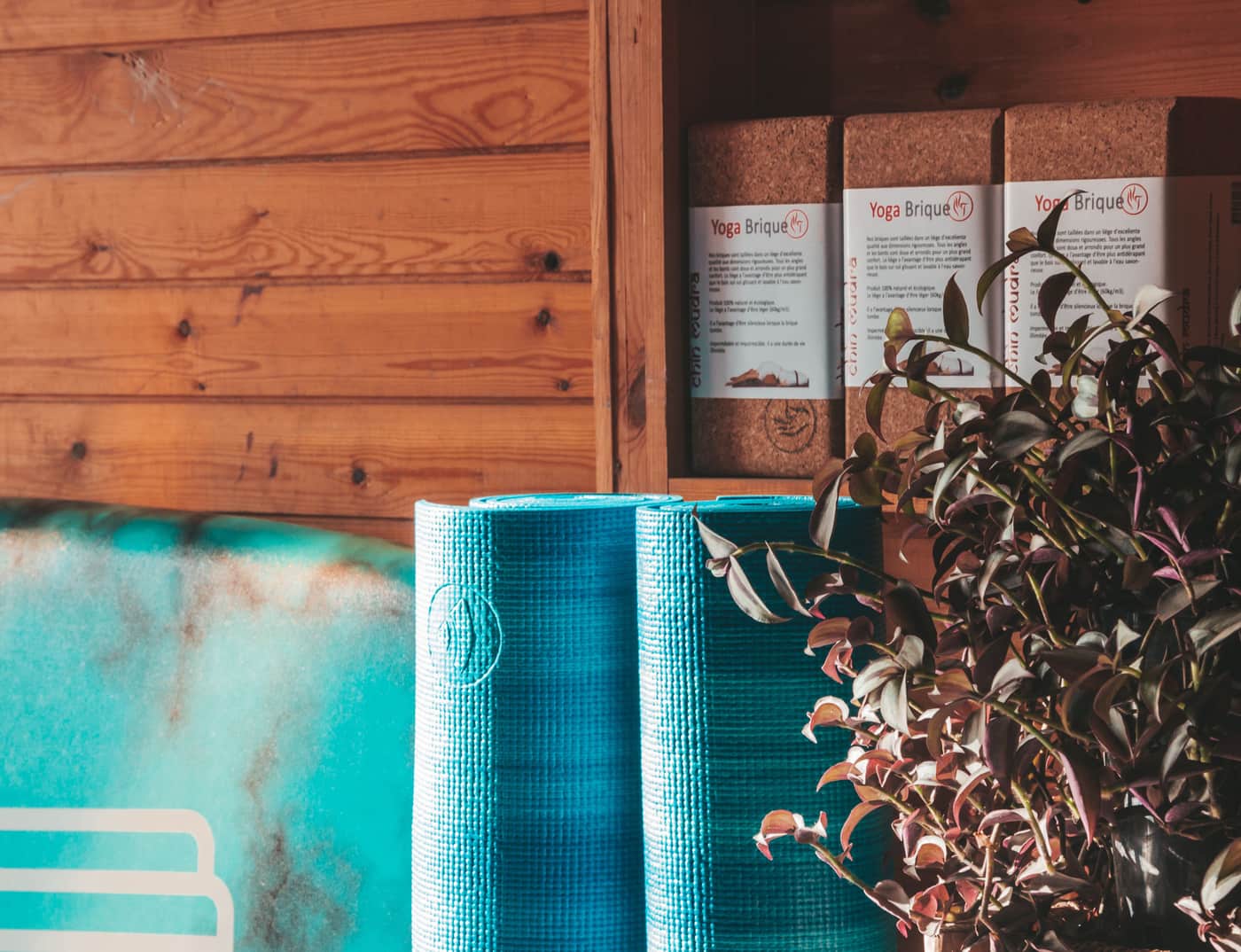
Foam is light, soft-edged and cheap, and it compresses under standing weight. Cork is heavy, grippy and rigid, and it is uncomfortable to lean a hip against. Wood and bamboo are rigid and the least forgiving of all. The honest rule is that the material should match the job: support you lie on wants foam, support you stand on wants cork. The cork versus foam comparison works through it.
Blocks: by size
The standard block is 9 by 6 by 4 in, which gives three heights depending on which face you rest it on. A 3 in depth suits smaller hands and shorter people. Bricks, confusingly, are a different shape again. The blocks versus bricks page has a table because the terminology genuinely is a mess.
Straps: loops or a buckle
A buckled strap adjusts continuously and is better for binding poses. A multi-loop strap gives you fixed stations, which makes a hamstring stretch repeatable week to week so you can actually see progress. They are different tools; most people want the buckle first.
The optional two
Bolsters and wheels are not beginner purchases, and we would rather say so than sell you one. A bolster earns its keep if you do restorative or yin practice regularly — see bolsters. A wheel is mostly a mobility tool that happens to be sold in yoga shops. Both are lovely; neither is necessary.
What the money buys
Density and edges. A premium block does not do a different job from a budget one — it does the same job without squashing, and it has edges shaped so that resting a hip or a shoulder on it does not hurt. Those two things are most of the price difference, and whether they are worth it depends entirely on whether you put body weight through the block or just lean on it.
With straps, the money buys the buckle and the weave. A cheap plastic buckle creeps under load, which is exactly when you do not want it to. A metal D-ring holds. That is nearly the whole story; a strap is a simple object and expensive ones are not much better than mid-priced ones.
The mistake people make
Treating props as a sign of failure. They are not remedial equipment — they are how you do the pose correctly at the body you currently have, and plenty of experienced practitioners use blocks every session. If you have been reaching for the floor with a rounded back for six months because using a block felt like cheating, the block was the correct answer the whole time. Are blocks worth it makes the case properly, and how to use them covers the placements that actually come up.
The other mistake is buying the restorative props before the structural ones. A bolster is a wonderful object and it will not help you stand up in a lunge.
Comparisons
One or the other
Comparison
Cork vs foam blocks
Weight, compression, comfort against skin and grip compared, with the single question that decides which material you should buy.
Comparison
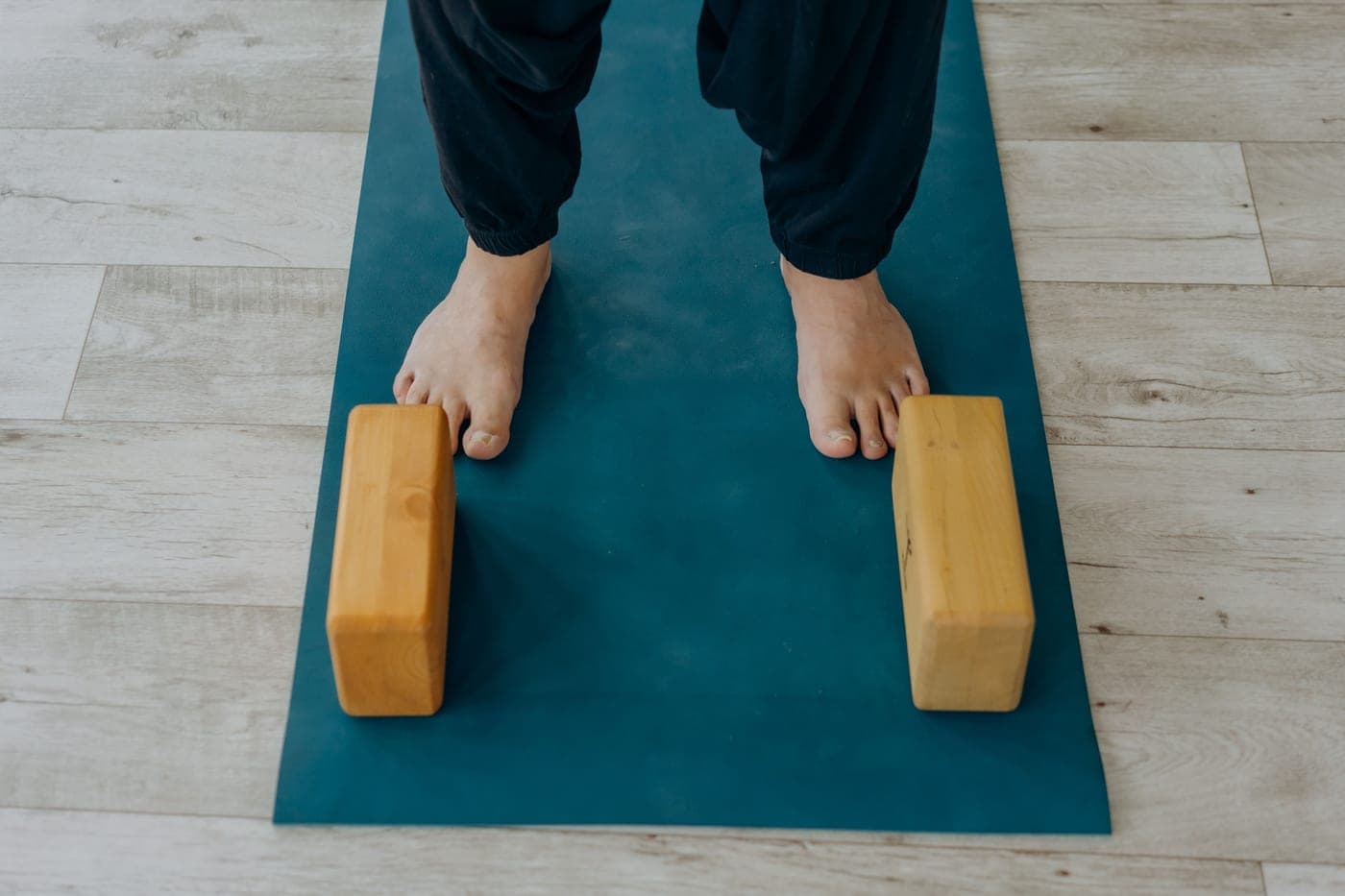
Blocks vs bricks and sizes
A size table for yoga blocks and bricks, what each of the three heights is for, and which depth suits which hands.
Before you buy
Work out what you need
Guide
How to use yoga blocks
Eight block placements that come up constantly, which height each one wants, and the two mistakes that make a block feel pointless.
Guide
Are blocks worth it?
Why a block changes what a pose does rather than making it easier, when blocks genuinely are unnecessary, and what to buy if you want two.
Guide
Block and strap sets
What a good block and strap bundle contains, the strap-length trap every kit falls into, and when buying the pieces separately is cheaper.
From other sections
Also worth reading
Start Here
A beginner yoga kit
A mat, two blocks, a strap, a cleaner and a carry sling — the full beginner kit ranked by how soon you will need each one, with what to skip.
Top pick: Gaiam Premium 6mm Yoga Mat
Check price on Amazon#ad · Price set by Amazon · Affiliate disclosure for the link to Gaiam Premium 6mm Yoga Mat
Yoga Mats
Best beginner mats
Six mats for a first practice, from the cheapest sensible foam mat to the one you buy once and keep, with the trade-off named on every pick.
Top pick: Gaiam Premium 6mm Yoga Mat
Check price on Amazon#ad · Price set by Amazon · Affiliate disclosure for the link to Gaiam Premium 6mm Yoga Mat

Start Here
Your first 30 days
How often to practice, how long, what to expect to be bad at, and the week most beginners quit — a realistic first month with the gear you already bought.
FAQ
Questions people ask
Are yoga blocks worth buying?
Should I buy cork or foam yoga blocks?
Are all yoga blocks the same size?
Do I need a yoga strap if I have a belt?
Ask us
A question we have not answered?
Tell us the floor you practice on, the thing that hurts, and what you are looking at buying. Reader questions decide what gets written next. Email janet.hoyo@yahoo.com or use the contact form.