Start Here Comparison
Yoga vs Pilates: Which Should You Start?
They look alike from the doorway and feel completely different once you are on the floor. Here is the difference that matters when you are choosing one.
We earn a commission when you buy through links on this page, at no extra cost to you. It never decides a ranking: the method is published. How we are funded
Side by side
The two, next to each other
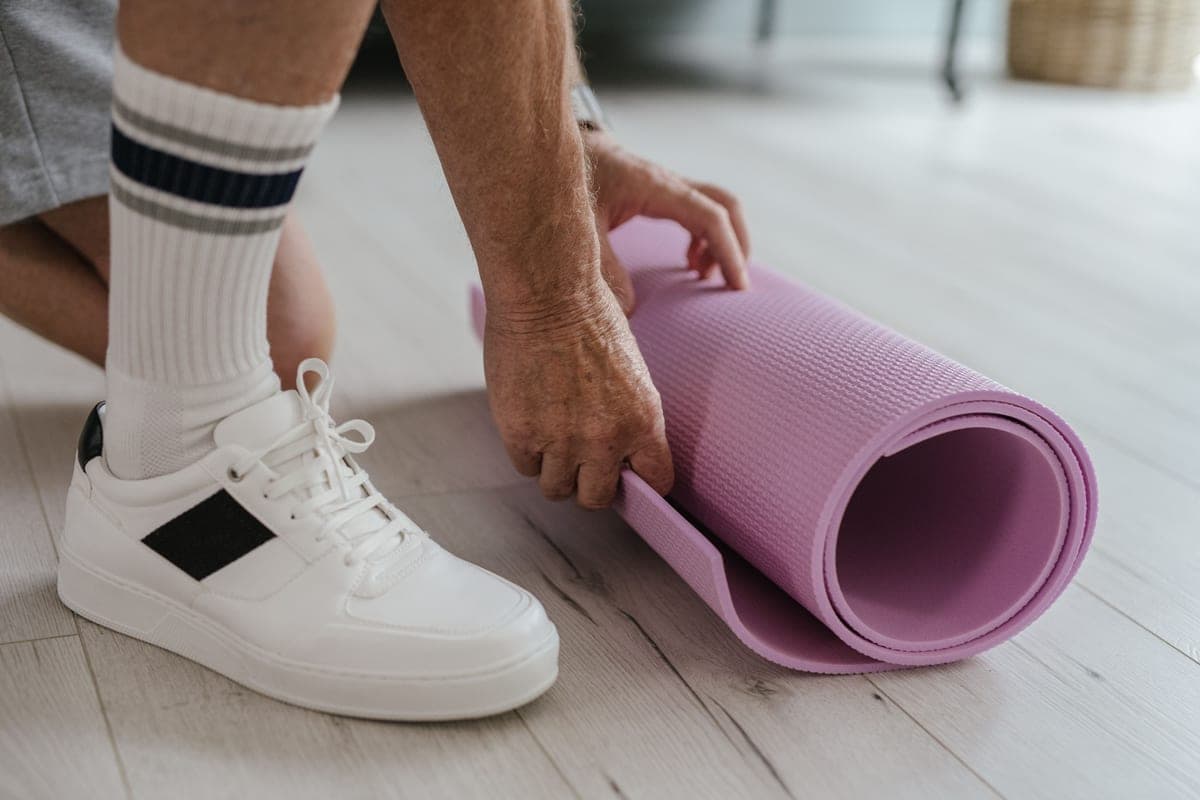 Stock photo
If you start with yoga
Gaiam Premium 6mm Yoga Mat
Cushioned, cheap and forgiving. The right mat to find out whether yoga is a thing you do.
Check price on Amazon#ad · Price set by Amazon · Affiliate disclosure for the link to Gaiam Premium 6mm Yoga Mat
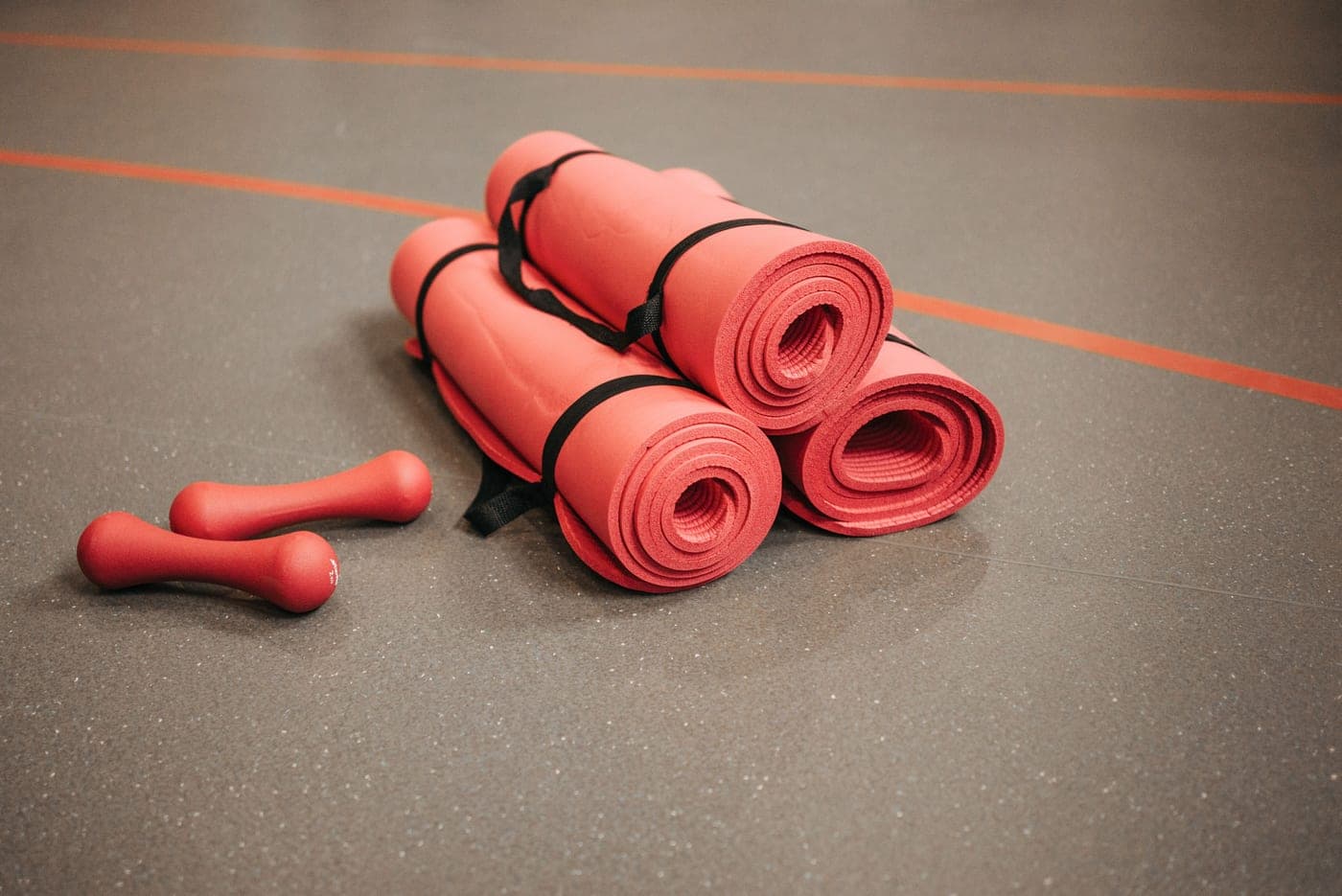
- Stock photo
If you start with pilates
Manduka X Mat 5mm
Denser and more stable under rolling, shifting weight, which is what mat pilates does to a mat.
Check price on Amazon#ad · Price set by Amazon · Affiliate disclosure for the link to Manduka X Mat 5mm
The short answer
Start with yoga if you want flexibility, calm and a practice you can do with nothing but a mat. Start with pilates if you want trunk strength, controlled movement and a shorter, more repetitive session. Both are floor-based, both need a mat and nothing else on day one, and both are learnable at home. The difference is what you are paying attention to while you move.
| Yoga | Pilates | |
|---|---|---|
| Main focus | Mobility, breath, holding shapes | Trunk control, precise repetitions |
| Equipment to start | A mat | A mat |
| Typical session | 20-60 minutes, varied | 20-45 minutes, more repetitive |
| Breathing | Usually through the nose, paced to the movement | Directed into the ribs, timed to the effort |
| Best for | Stiffness, stress, a wide range of styles | Feeling unstable, wanting structure |
What each one actually trains
Yoga is a very broad word. It covers a slow restorative class where you lie supported on props for five minutes at a time, and a fast vinyasa class that will leave you sweating. What almost all of it has in common is holding shapes, moving between them at the pace of your breath, and paying attention to where your body is. The US National Institutes of Health overview of yoga is a good plain-language starting point on what the practice involves.
Pilates is narrower and more prescriptive. The exercises are a defined repertoire, they are done in a particular order, and the instruction is relentlessly about control: move this joint, keep that one still, breathe into the sides of your ribs while you do it. It is far less about how far you can reach and far more about whether you can move a limb without everything else going along for the ride.
Practically: if you finish a yoga class feeling stretched and calmer, you will finish a pilates class feeling like a specific set of muscles has been found and used. Neither is better. They answer different complaints.
What you need to buy for each
For either, the answer on day one is one mat. That is not a simplification to make the page shorter — it is genuinely the whole list, and the largest single cause of a home practice that never starts is buying a pile of equipment before you have used any of it.
The mats do differ slightly. Yoga puts sustained weight through hands and feet in static shapes, so grip matters most. Pilates rolls and slides along the spine and shifts weight constantly, so a denser, more stable surface with less give works better — a very soft foam mat feels unstable when you roll along it. We cover that difference in detail in yoga mat versus pilates mat, and our picks for each are in beginner yoga mats and mats for pilates.
After the mat, the paths diverge. Yoga's second purchase is two blocks and a strap — see the beginner yoga kit. Pilates' second purchase is usually a ring and grip socks, and then, much later and only if you are still going, something with resistance: the beginner pilates kit lays that out, and what you need for pilates at home goes further.
Which one, for four situations
You are stiff and want to move better
Yoga. It spends more time at end range and more time holding, which is the thing that changes how a stiff body feels. Start with a slow or beginner class rather than a flow.
You feel weak or unstable in the middle
Pilates. The entire method is organized around it, and the progression is clearer — you can tell week to week whether an exercise got easier in a way that is harder to measure in yoga.
You are stressed and want twenty quiet minutes
Yoga, and specifically the slower end of it. Pilates is quiet but it is not restful; the attention it demands is quite intense. Restorative yoga is the one designed for this, and it is the one place a bolster is worth buying — see bolsters.
Your back hurts
Neither, until you have spoken to someone qualified. Both are frequently recommended for back discomfort and both can make specific problems worse if you pick the wrong movements. This site sells gear guidance, not clinical advice, and the honest answer here is to get the problem looked at first.
Can you do both?
Yes, and plenty of people settle into exactly that: yoga two or three times a week for mobility, a short pilates session once or twice for strength. The two are complementary rather than competing, and the mat you buy for one will do for the other while you work out which you prefer.
If you want to try both without buying twice, buy a mid-density mat in the 5 mm range rather than a very soft one. It is the compromise that works for both, and the thickness guide explains why.
Whichever you pick, the next page is the same: what to do in the first thirty days. Choosing the discipline matters far less than showing up eight times in a month, and almost nobody warns beginners about that.
In detail
Both, in full
Stock photoIf you start with yoga
Gaiam Premium 6mm Yoga Mat
As the manufacturer lists it · Gaiam
What it gets right
- Cushioned enough that floor work is comfortable on day one
- Light and easy to roll
- Cheap enough to be a low-risk first purchase
What it does not
- Grip fades as you sweat
- 68 in is short if you are tall
- Will not last the years a Manduka or Jade will
Skip it if
you already know you sweat heavily, or you are over about 5 ft 10 in.
#ad · Price set by Amazon · Affiliate disclosure for the link to Gaiam Premium 6mm Yoga Mat
Stock photoIf you start with pilates
Manduka X Mat 5mm
As the manufacturer lists it · Manduka
What it gets right
- Stable under rolling and shifting weight, not just static poses
- Wipes clean quickly
- Textured both sides so it does not slide on the floor
What it does not
- Less cushion than a dedicated pilates mat
- No alignment markings
- Firm surface takes getting used to after a foam mat
Skip it if
your practice is almost entirely seated or kneeling — you will want more padding.
#ad · Price set by Amazon · Affiliate disclosure for the link to Manduka X Mat 5mm
How we picked
Chosen on published criteria, and we say so
Most gear sites open by telling you how many hours they spent with the products. We have not used most of these, and we would rather say so than imply otherwise. Every pick here is chosen against criteria we publish — grip, cushioning, size options, what buyers report after a year of use, and whether the thing is still actually sold — and every manufacturer figure on the page is labeled as the maker's claim.
Nobody pays for a place on this page, no product was supplied free in exchange for coverage, and a specification the maker does not publish is never guessed at. See the full criteria and weighting.
FAQ
Questions people ask
Is yoga or pilates better for beginners?
Is yoga or pilates better for flexibility?
Is yoga or pilates better for posture?
Do I need different equipment for yoga and pilates?
Related
Keep reading
Update log
What changed
- First published.
Receipts
Sources
- 1.NCCIH (US National Institutes of Health) — Yoga: What You Need To Know
- 2.OutdoorGearLab — The Best Yoga Mats
- 3.US Physical Activity Guidelines for Americans
- 4.Manduka — product information
We have not used every product on this page, and we do not pretend otherwise. Thicknesses, materials, sizes and warranty terms are the manufacturer's published figures, shown as their claims. Anything about materials, skin or injury is linked to a source. Prices are set by Amazon and change constantly, so we never print one. Read the full method.