Yoga mats
Yoga Mats, Sorted by the Problem You Are Trying to Solve
Grip, thickness and material decide whether a mat works for you. Pick the one that fixes your problem, not the one with the best photograph.
18 pages in this section · How we pick
We earn a commission when you buy through links on this page, at no extra cost to you. It never decides a ranking: the method is published. How we are funded
Start here
Read this one first
Best picks
The Best Yoga Mats for Beginners
Six mats for a first practice, from the cheapest sensible foam mat to the one you buy once and keep, with the trade-off named on every pick.
Read itTop pick: Gaiam Premium 6mm Yoga Mat
#ad · Price set by Amazon · Affiliate disclosure for the link to Gaiam Premium 6mm Yoga Mat
Best picks
Ranked picks
Best picks
Best mats for hot yoga
Mats and towels that hold grip once you are wet, plus what a hot room does to open-cell rubber and which surfaces to avoid entirely.
Top pick: Liforme Original Yoga Mat
Check price on Amazon#ad · Price set by Amazon · Affiliate disclosure for the link to Liforme Original Yoga Mat
Best picks
Best mats for sweaty hands
Mats that keep their grip when your palms are damp, ranked, plus the towel fix for the mat you already own.
Top pick: Liforme Original Yoga Mat
Check price on Amazon#ad · Price set by Amazon · Affiliate disclosure for the link to Liforme Original Yoga Mat
Best picks
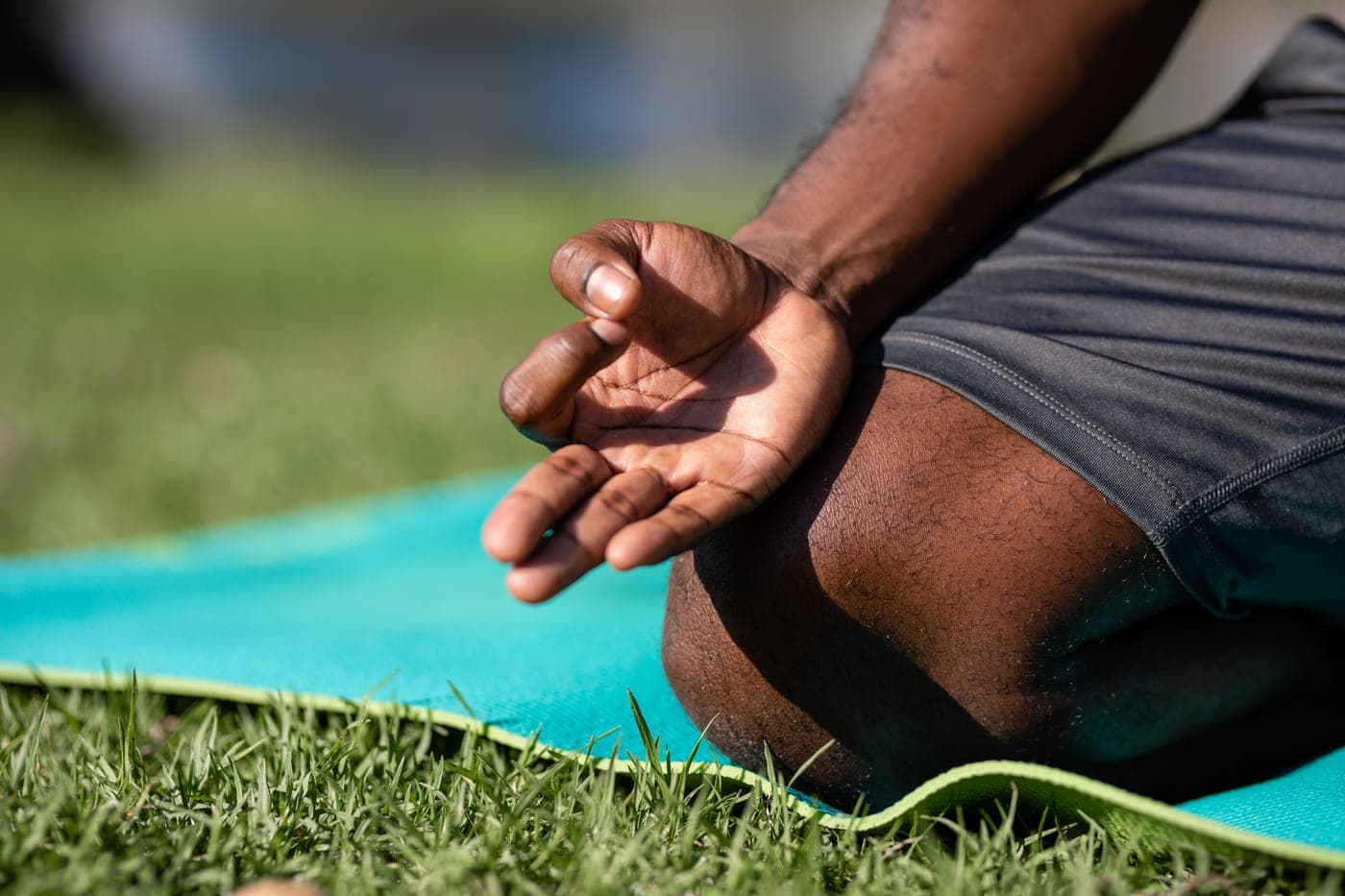
Best mats for sore knees
Why the thickest mat is rarely the right answer for sore knees, and five options that add padding without making you wobble.
Top pick: Manduka PRO 6mm
Check price on Amazon#ad · Price set by Amazon · Affiliate disclosure for the link to Manduka PRO 6mm
Best picks
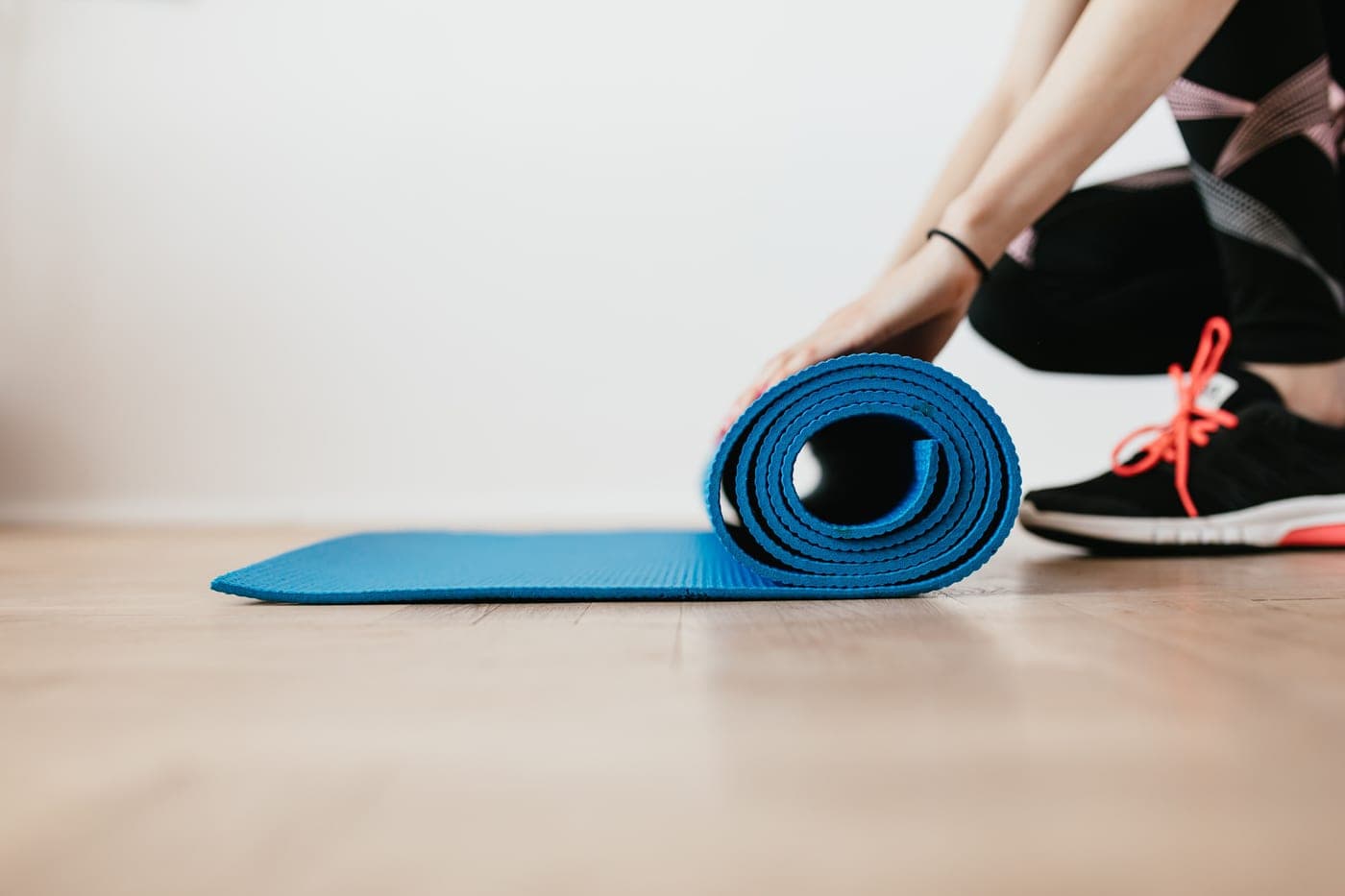
Best mats for pilates
Firm, dense mats suited to rolling and shifting weight, plus why a very soft mat makes mat pilates harder rather than more comfortable.
Top pick: Manduka X Mat 5mm
Check price on Amazon#ad · Price set by Amazon · Affiliate disclosure for the link to Manduka X Mat 5mm
Best picks
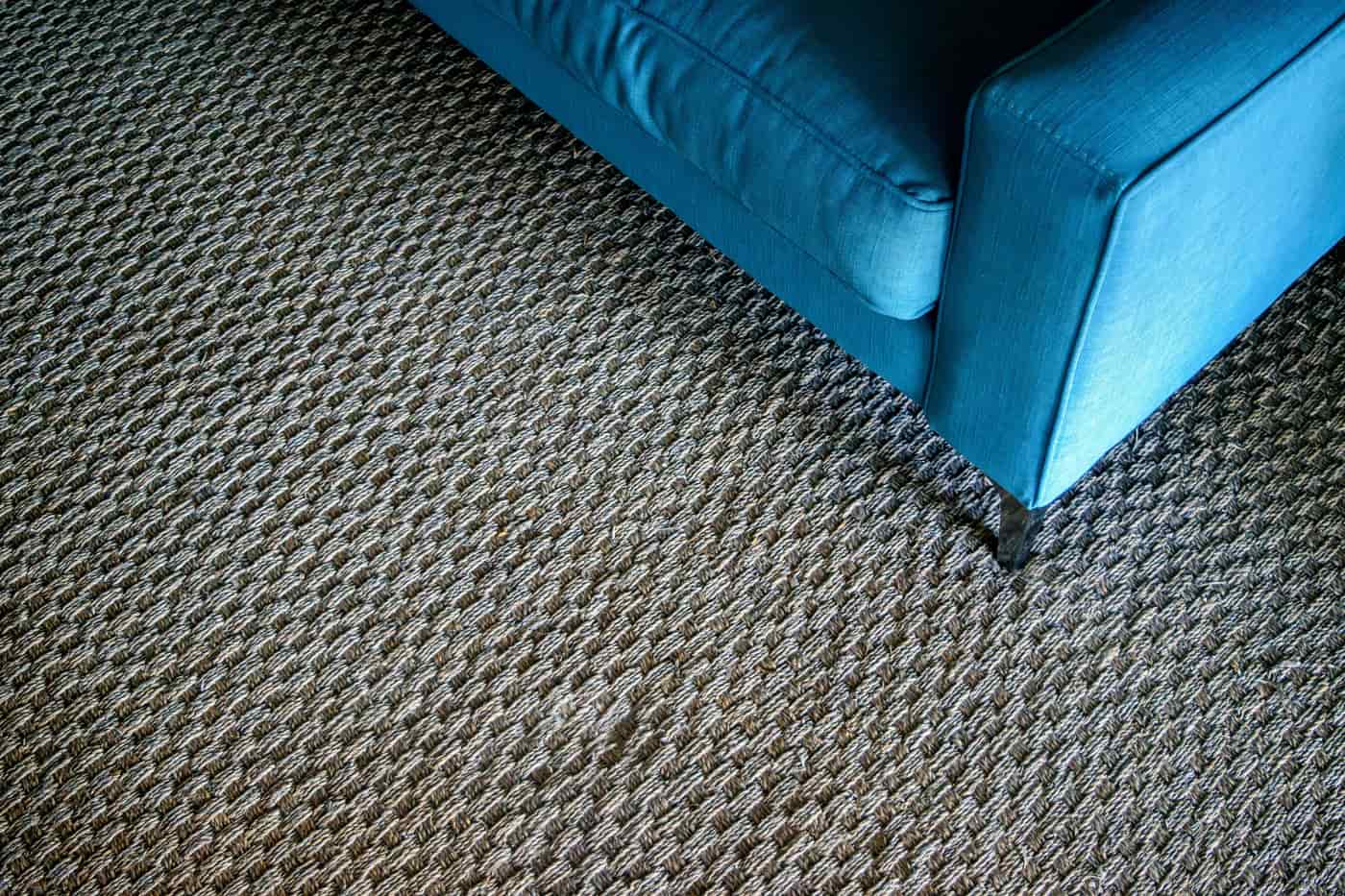
Best mats for carpet
Thinner, denser mats that stay put on pile, and why the standard thickness advice inverts the moment there is carpet underneath.
Top pick: Manduka PROlite 4.7mm
Check price on Amazon#ad · Price set by Amazon · Affiliate disclosure for the link to Manduka PROlite 4.7mm
Best picks
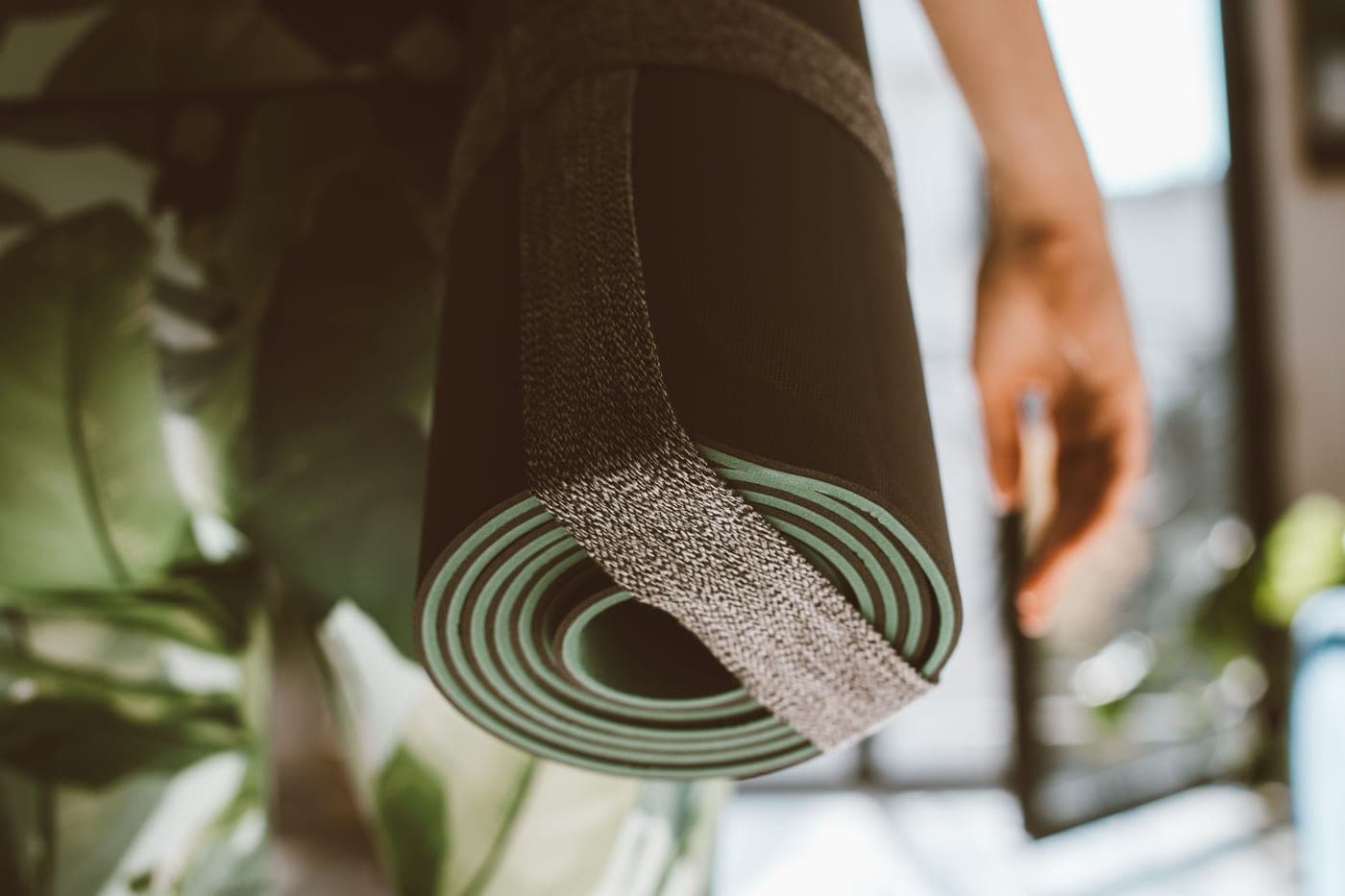
Best travel mats
Folding mats that fit in a carry-on and still grip, what you give up to get there, and when a travel mat is the wrong purchase.
Top pick: Manduka eKO Superlite 1.5mm
Check price on Amazon#ad · Price set by Amazon · Affiliate disclosure for the link to Manduka eKO Superlite 1.5mm
Best picks
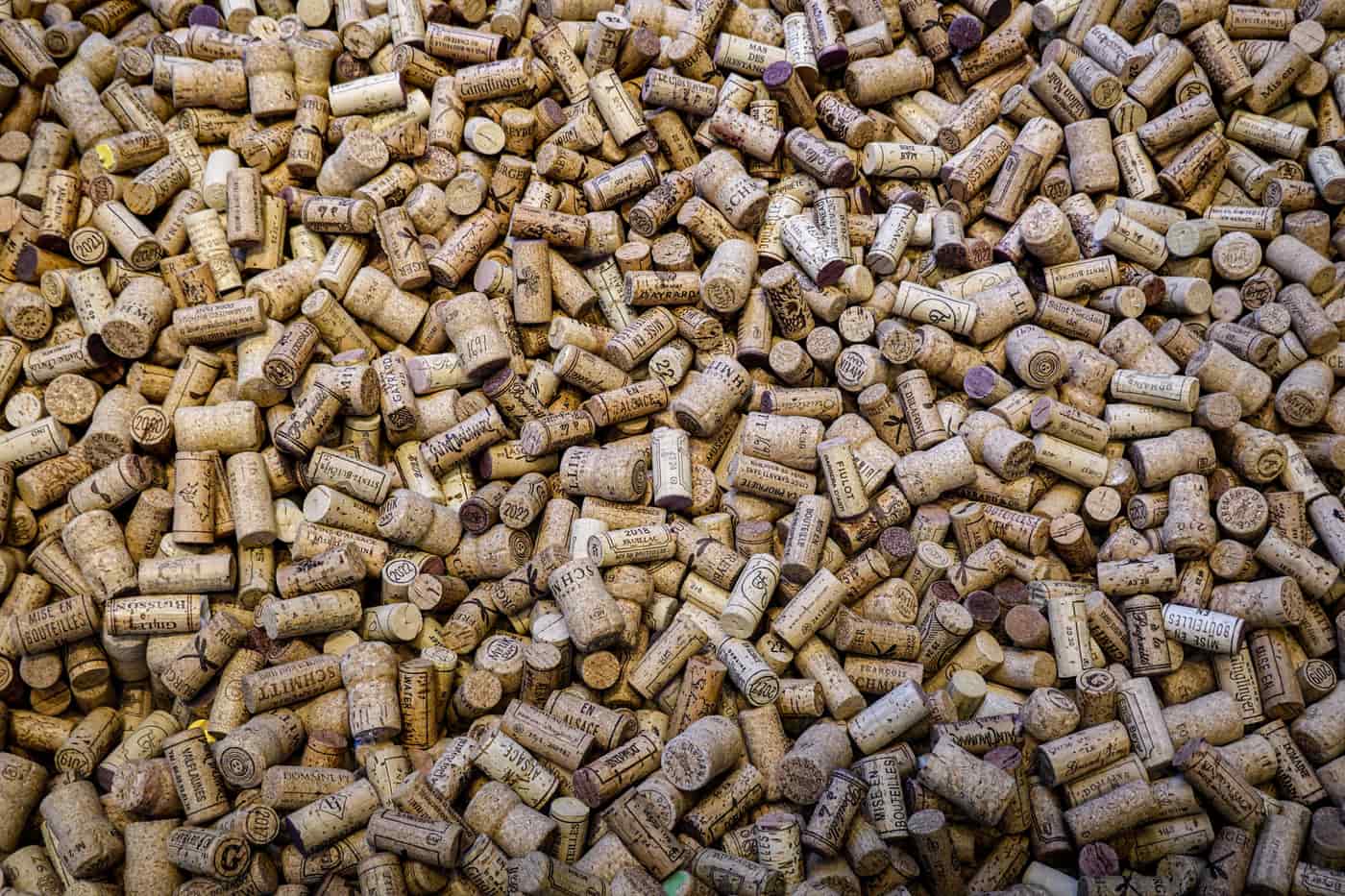
Best cork mats
Cork mats ranked, what the surface does that rubber and PVC cannot, and the two practical drawbacks every cork buyer runs into.
Top pick: Yoloha Original Cork Yoga Mat
Check price on Amazon#ad · Price set by Amazon · Affiliate disclosure for the link to Yoloha Original Cork Yoga Mat
Buy for the problem you have
Almost every mat review is organized around brands. That is the wrong axis for a first purchase, because you are not choosing between companies — you are choosing between three properties that trade off against each other: grip, cushioning and weight. You cannot have all three, and which one you sacrifice depends entirely on what goes wrong for you.
If nothing has gone wrong yet, start at 5 to 6 mm in a mid-price mat and find out. Our beginner picks are chosen to be forgiving rather than specialized. Once you have practiced on it a dozen times you will be able to name the problem, and every other page in this section is organized by problem.
How mats divide
By thickness
Thin mats are stable and hard; thick mats are comfortable and wobbly. Under about 3 mm you feel the floor through the mat, which is fine on carpet and grim on tile. Over about 8 mm your foot sinks far enough to affect balance. Most people belong in the middle, and the thickness guide has the whole range in a table with the trade-off named for each band. If kneeling is the specific problem, the mats for sore knees page is the shortcut.
By material
PVC is durable, cheap to make and closed-cell, so sweat sits on the surface. Natural rubber grips better and smells for a few weeks. TPE is light and low-odor with middling grip. Cork grips more as your hands get damp, which makes it the odd one out and the reason it has its own roundup and a head-to-head against rubber. The materials guide covers all four properly, including the latex point that matters if you have an allergy.
By what you practice
A hot class destroys a mat that relies on dry friction, which is why hot yoga mats are a separate list. Mat pilates involves rolling and shifting weight rather than holding still, which favors a denser, more stable surface — see mats for pilates and the yoga mat versus pilates mat comparison. And a mat you have to carry is a different object from a mat that lives in a corner, which is what travel mats exist for.
What the money buys
Two things, and they are both real. The first is grip that survives moisture. Cheap mats grip well dry and badly damp; the expensive ones hold on when your palms are wet, and that single property is most of the price gap between a supermarket mat and a specialist one.
The second is years. A dense closed-cell mat from a serious maker stays flat and keeps its texture for a very long time, and several of them carry lifetime guarantees from the manufacturer. A budget foam mat creases at the roll points, dents where your knees go, and starts flaking within a year of frequent use. Divided across those years the premium mat is not the expensive one, but that only holds if you keep practicing — which is exactly what you cannot know at the start.
The mistake people make
Blaming themselves for a slippery mat. New mats — especially closed-cell PVC ones — have a manufacturing residue on the surface and genuinely are slippery until it wears off. People spend weeks assuming their form is wrong when the actual fix is a wash and a fortnight of use, or a towel over the top. Why your mat is slippery goes through the causes in order of likelihood, and how to clean a mat covers the part most people get wrong, which is soaking an open-cell mat that should never be soaked.
The other mistake is length. A 68 in mat is shorter than a lot of people, and if your heels hang off the end in a lunge you will notice it every session. The size guide matches heights to mat lengths so you only make that mistake once.
Comparisons
One or the other
Comparison
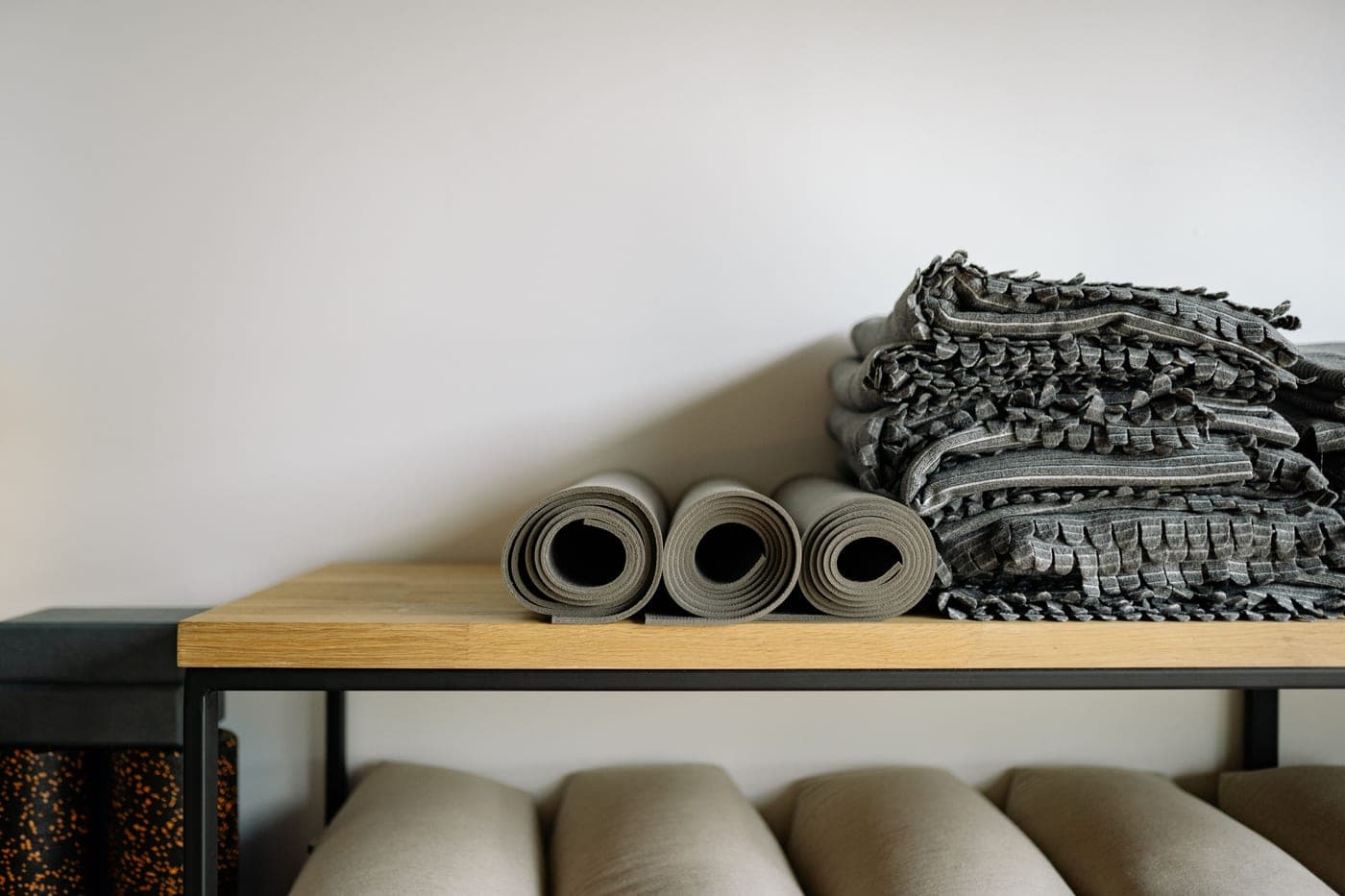
Cork vs rubber
Grip dry, grip damp, weight, smell and upkeep compared, with a straight recommendation for four kinds of practice.
Comparison
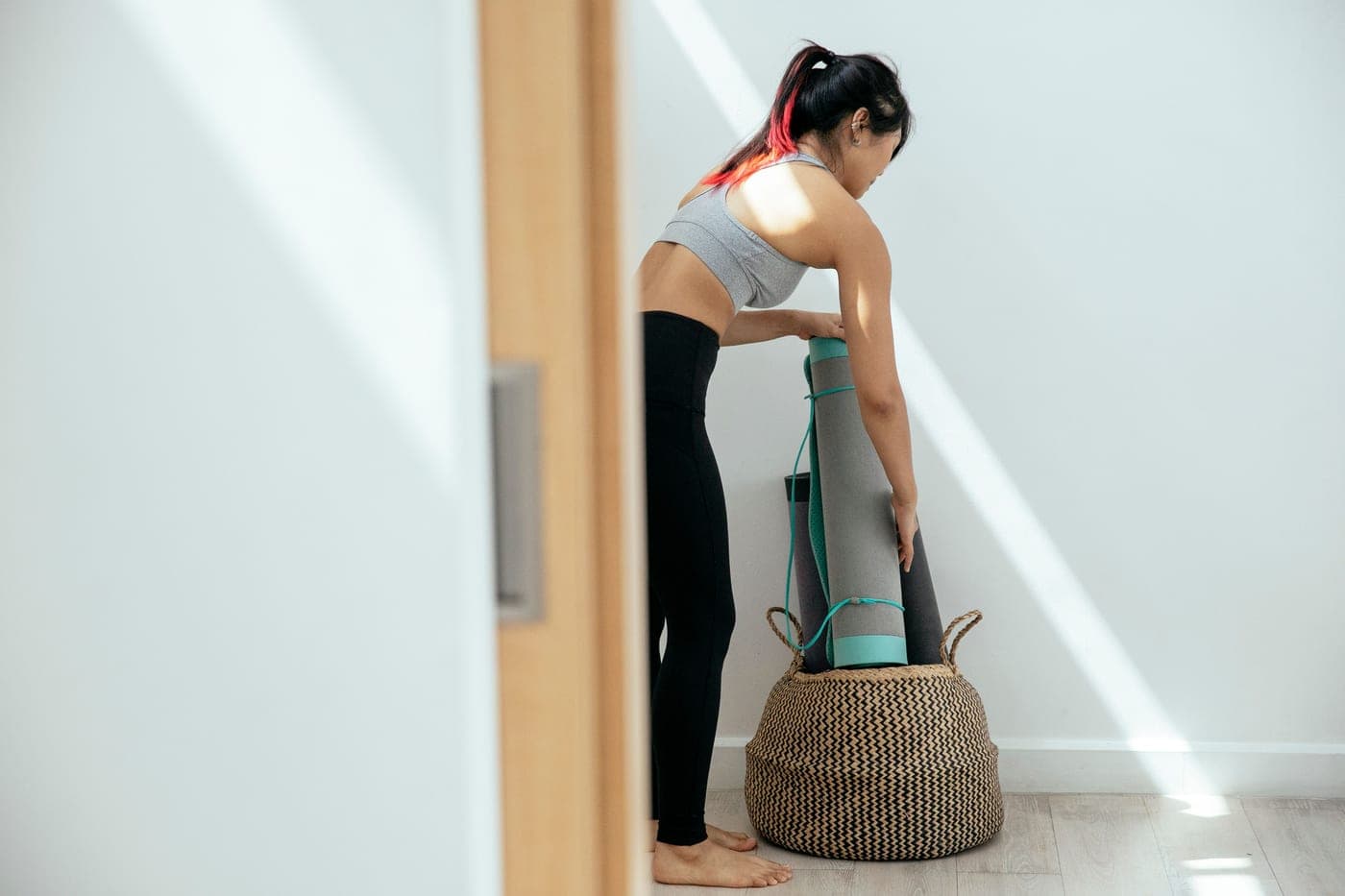
TPE vs PVC vs rubber
How TPE, PVC and natural rubber differ on grip, weight, smell, lifespan and latex, and which one suits which practice.
Comparison
Yoga mat vs pilates mat
How the two mat types differ in density, texture and length, when one mat covers both disciplines, and when it is worth owning two.
Comparison
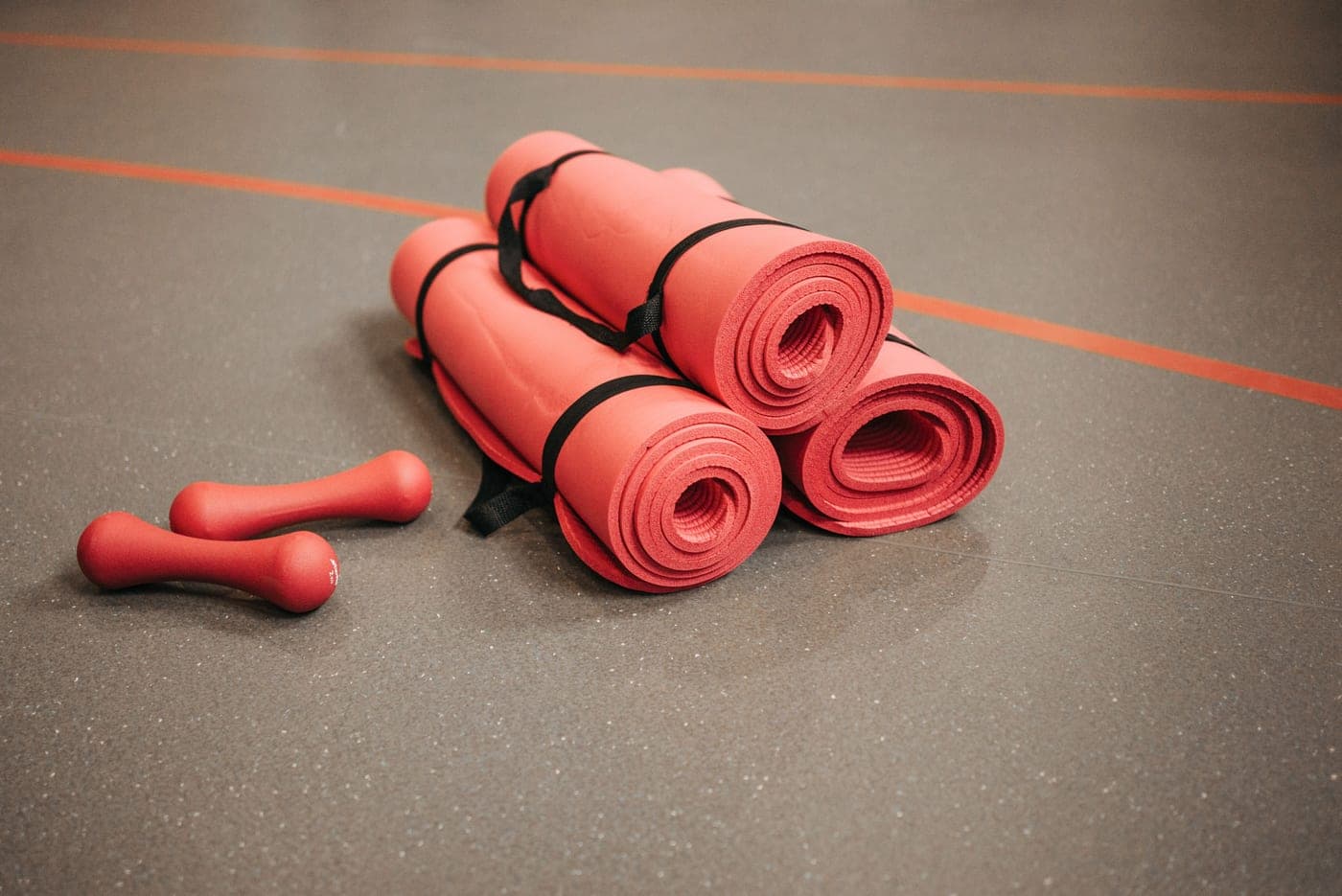
Yoga mat vs exercise mat
The difference between a grippy yoga mat and a thick exercise mat, what each is genuinely better at, and which to buy for a mixed home routine.
Comparison
Manduka PRO vs Gaiam Premium
The durable premium mat against the popular starter mat, compared on cushioning, grip, weight, break-in and lifespan.
Before you buy
Work out what you need
Guide
Mat thickness guide
Every mat thickness band from travel-thin to floor-exercise thick, what each is good for, what it costs you, and the two exceptions.
Guide
Mat size guide
A height-to-mat-length table, how much width you need and when it matters, and the sizes worth paying extra for.
Guide
Mat materials explained
PVC, natural rubber, TPE and cork on grip, weight, smell, lifespan and latex, with the material-first way to choose a mat.
Guide
How to clean a yoga mat
A five-step cleaning routine, the open-cell versus closed-cell rule that decides whether you can soak a mat, and what to keep away from rubber.
Guide
Why is my mat slippery?
Six causes of a slippery mat ranked by how likely they are, from new-mat residue to a worn-out surface, each with the fix that works.
From other sections
Also worth reading
Start Here
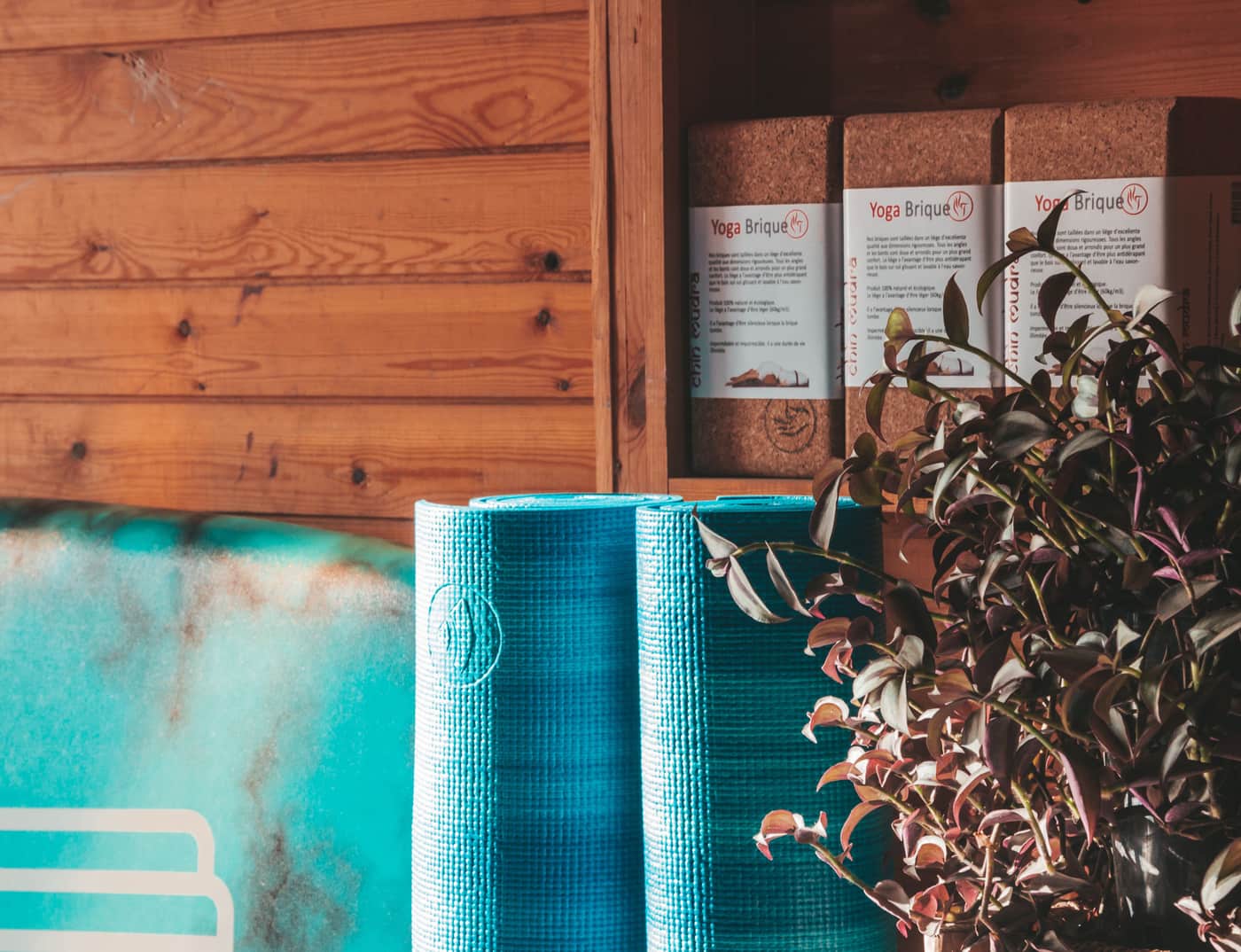
Practicing on carpet
Carpet gives cushioning but no grip, and a thick mat on top of pile is unstable. Why a thinner, denser mat is the right answer, and which ones work.
Blocks, Straps & Props
Best yoga blocks
Five blocks from cheap foam to bamboo, what size to buy, and the one question — do you lean on it or stand on it — that decides the material.
Top pick: Gaiam Yoga Essentials Foam Block
Check price on Amazon#ad · Price set by Amazon · Affiliate disclosure for the link to Gaiam Yoga Essentials Foam Block
What to Wear
What to wear to hot yoga
What to wear in a heated room and what to avoid, plus the mat towel that matters more than any garment on the list.
FAQ
Questions people ask
What thickness of yoga mat should a beginner buy?
Which yoga mat material is best?
How long should a yoga mat last?
Do I need a yoga mat if I have carpet?
Ask us
A question we have not answered?
Tell us the floor you practice on, the thing that hurts, and what you are looking at buying. Reader questions decide what gets written next. Email janet.hoyo@yahoo.com or use the contact form.