Yoga Mats Comparison
Yoga Mat vs Exercise Mat: Which Do You Actually Need?
They are sold side by side and they are not the same object. One is built for grip, the other for padding, and buying the wrong one is a common first mistake.
We earn a commission when you buy through links on this page, at no extra cost to you. It never decides a ranking: the method is published. How we are funded
Side by side
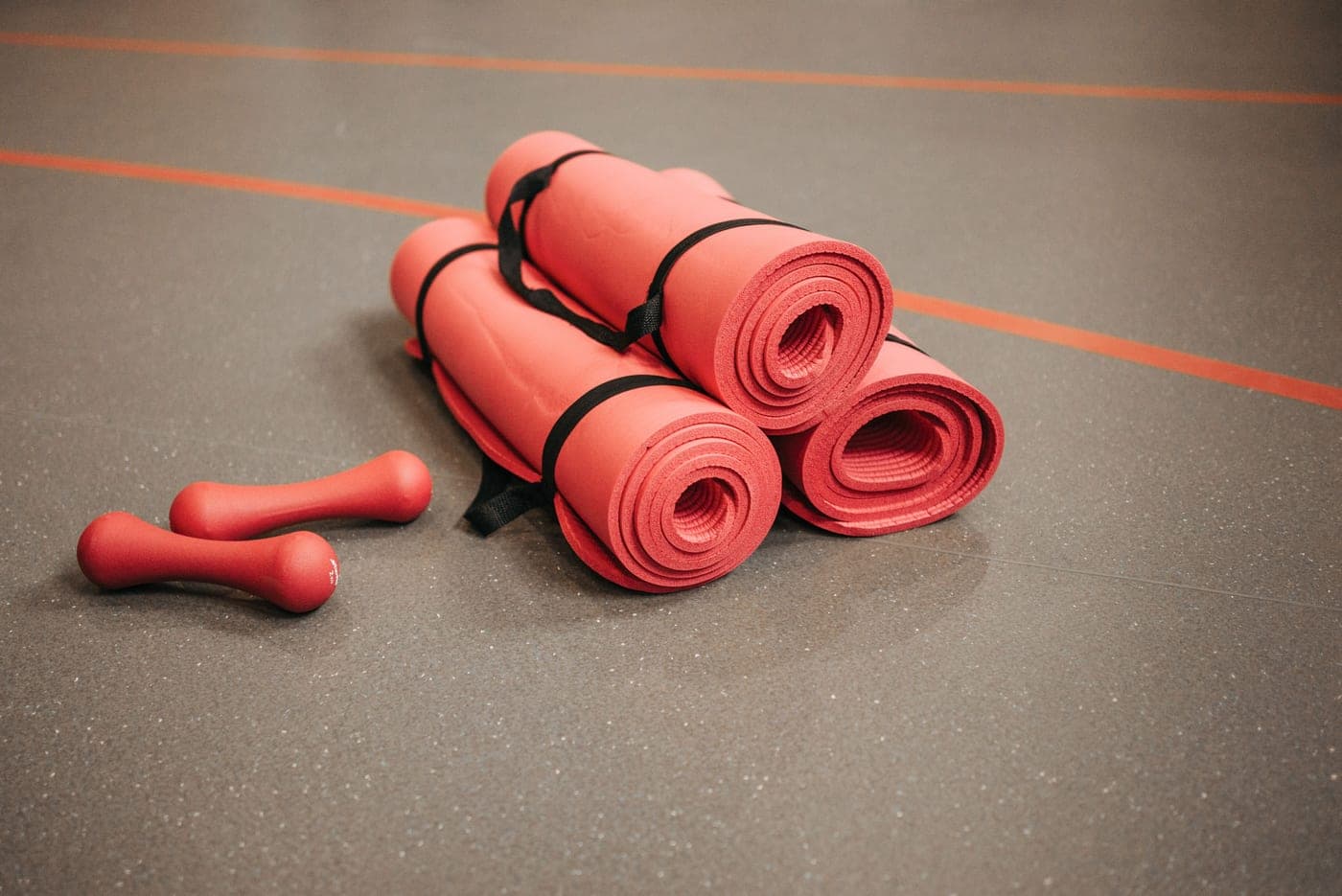
The two, next to each other
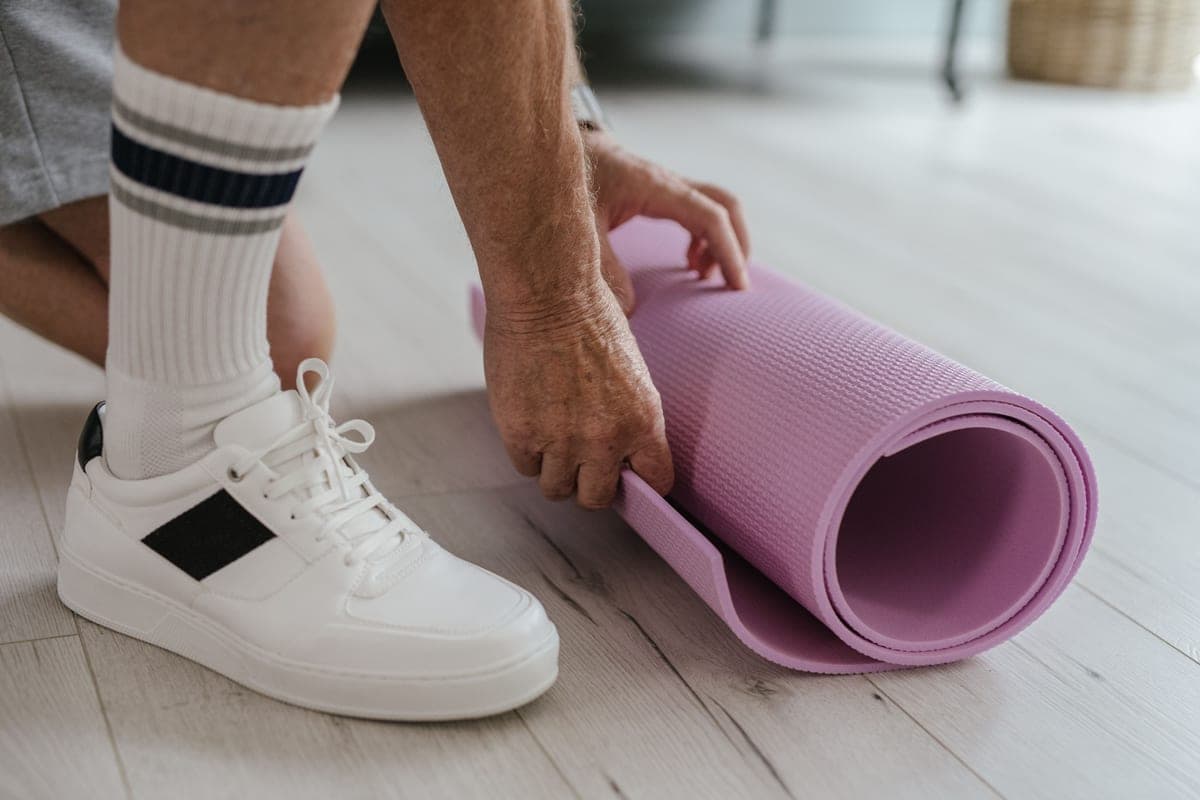 Stock photo
The yoga mat
Gaiam Premium 6mm Yoga Mat
Thinner, grippier and stable enough to balance on. Less padding under a knee or an elbow.
Check price on Amazon#ad · Price set by Amazon · Affiliate disclosure for the link to Gaiam Premium 6mm Yoga Mat
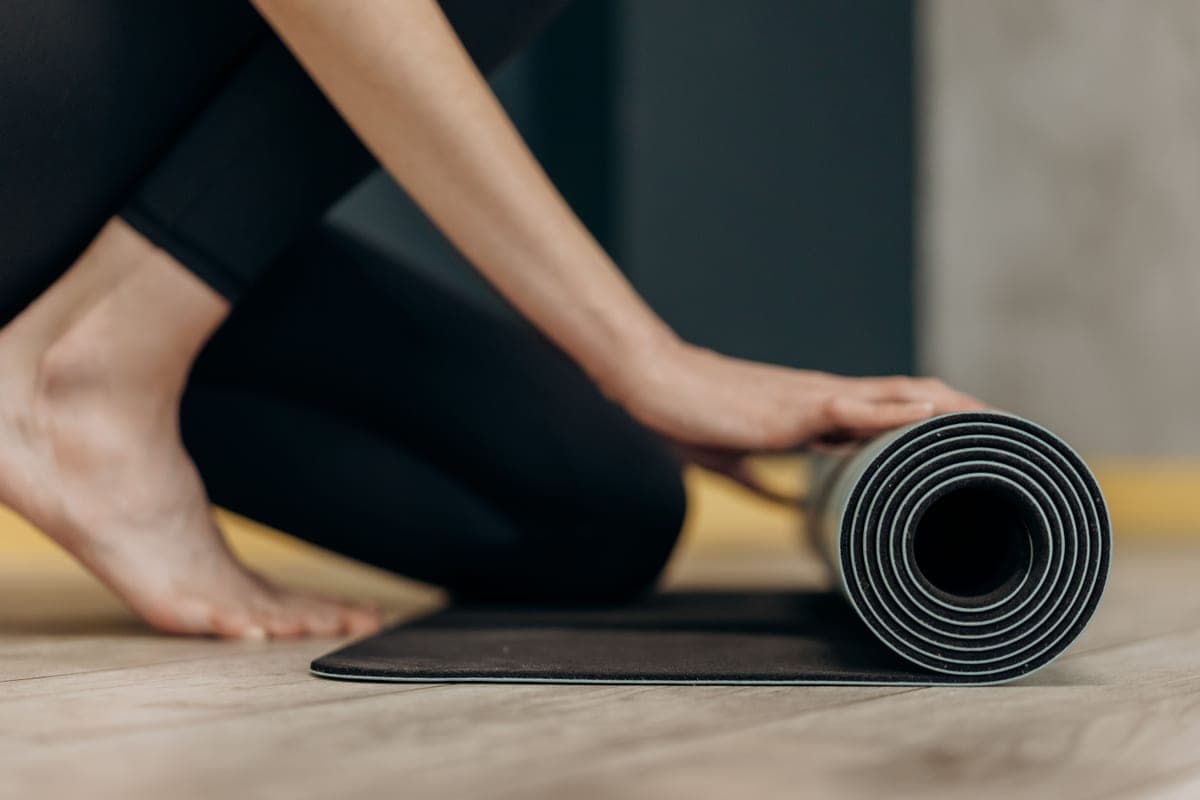 Stock photo
The exercise mat
BalanceFrom GoYoga All-Purpose Mat
Thick, soft and cheap. Comfortable for floor work, unstable the moment you stand on one leg.
Check price on Amazon#ad · Price set by Amazon · Affiliate disclosure for the link to BalanceFrom GoYoga All-Purpose Mat
The verdict
Buy a yoga mat if you will ever stand on it. Buy an exercise mat if you will only be on your back, your front or your knees. Grip and stability against padding — that is the whole trade.
What separates them
| Yoga mat | Exercise mat | |
|---|---|---|
| Typical thickness | 3-6 mm | 10-20 mm |
| Density | Firm | Soft |
| Grip | Designed for it | Usually smooth |
| Standing balance | Good | Poor |
| Kneeling and floor work | Adequate | Very comfortable |
| Durability | Years, if you buy well | Dents and creases within a year |
| Length | 68-85 in | Varies widely |
The short version: an exercise mat is a cushion and a yoga mat is a surface. Both are useful; they are useful for different things.
Which to buy for what
- Yoga. A yoga mat. Standing poses on a soft exercise mat are genuinely harder and feel wrong.
- Mat pilates. A yoga mat, or a firm pilates-specific one — see the pilates comparison. Thick foam works against the rolling work.
- Bodyweight strength and core work. Either. An exercise mat is kinder on your spine during crunches; a yoga mat is better for anything in a plank.
- Stretching and mobility. Exercise mat. Comfort matters more than grip and you are rarely upright.
- Under a bike trainer or weights. Neither. Buy a proper equipment mat; both of these will be destroyed.
If you do both
Buy the yoga mat and add a knee pad. A dense 6 mm mat plus a small thick pad covers the kneeling comfort an exercise mat would give you, without making every standing pose feel like standing on a mattress. That combination costs less than two mats and stores in the same space as one.
The other direction — an exercise mat plus a towel for grip — does not work nearly as well, because the instability is structural rather than a surface problem.
If padding is specifically about sore knees, the fuller answer is in mats for sore knees.
The naming problem
Part of why this is confusing is that the same object is sold under four names, and retailers use them interchangeably to catch more searches. What a listing calls itself tells you almost nothing; the thickness and the material tell you everything.
| Sold as | Usually means | Read the |
|---|---|---|
| Yoga mat | 3-6 mm, textured, grippy | Material and length |
| Exercise mat | 10-20 mm foam, smooth | Thickness, and whether it has a strap |
| Fitness mat | Either. Genuinely ambiguous | Thickness, every time |
| Pilates mat | Firm, 5-8 mm, textured both sides | Density, not thickness |
| Gym mat or equipment mat | Dense rubber for under machines | Nothing. This is not for lying on |
The last row matters because it is the one people order by mistake. Equipment matting is designed to sit under a treadmill and protect the floor; it is hard, heavy and often smells strongly of rubber for months. It is not an exercise surface and no amount of airing makes it one.
The practical rule: ignore the category name, find the thickness in millimeters or inches, find the material, and decide from those two. The thickness guide and materials guide are the two pages that turn those numbers into a decision.
In detail
Both, in full
Stock photoThe yoga mat
Gaiam Premium 6mm Yoga Mat
As the manufacturer lists it · Gaiam
What it gets right
- Cushioned enough that floor work is comfortable on day one
- Light and easy to roll
- Cheap enough to be a low-risk first purchase
What it does not
- Grip fades as you sweat
- 68 in is short if you are tall
- Will not last the years a Manduka or Jade will
Skip it if
you already know you sweat heavily, or you are over about 5 ft 10 in.
#ad · Price set by Amazon · Affiliate disclosure for the link to Gaiam Premium 6mm Yoga Mat
Stock photoThe exercise mat
BalanceFrom GoYoga All-Purpose Mat
As the manufacturer lists it
What it gets right
- Costs less than almost anything else here
- Very soft for kneeling and floor work
- Strap included
What it does not
- Too squishy for balancing
- Foam compresses and creases within months of regular use
- Little grip when your hands sweat
Skip it if
you already know you are committed — buy once instead of twice.
#ad · Price set by Amazon · Affiliate disclosure for the link to BalanceFrom GoYoga All-Purpose Mat
How we picked
Chosen on published criteria, and we say so
Most gear sites open by telling you how many hours they spent with the products. We have not used most of these, and we would rather say so than imply otherwise. Every pick here is chosen against criteria we publish — grip, cushioning, size options, what buyers report after a year of use, and whether the thing is still actually sold — and every manufacturer figure on the page is labeled as the maker's claim.
Nobody pays for a place on this page, no product was supplied free in exchange for coverage, and a specification the maker does not publish is never guessed at. See the full criteria and weighting.
FAQ
Questions people ask
Can I use an exercise mat for yoga?
Is a thicker mat better?
What mat should I buy for a home gym?
Can I put an exercise mat under my yoga mat?
Are exercise mats grippy?
Related
Keep reading
Update log
What changed
- First published.
Receipts
Sources
- 1.Healthline — The Best Workout Mats
- 2.OutdoorGearLab — The Best Yoga Mats
- 3.Reviewed — The Best Yoga Mats
- 4.Gaiam — product information
We have not used every product on this page, and we do not pretend otherwise. Thicknesses, materials, sizes and warranty terms are the manufacturer's published figures, shown as their claims. Anything about materials, skin or injury is linked to a source. Prices are set by Amazon and change constantly, so we never print one. Read the full method.