Yoga Mats Comparison
TPE vs PVC vs Natural Rubber: Which Mat Material?
Three materials, three different compromises. None is best at everything, and the one that suits you depends mostly on whether you sweat.
We earn a commission when you buy through links on this page, at no extra cost to you. It never decides a ranking: the method is published. How we are funded
Side by side
The two, next to each other
 Stock photo
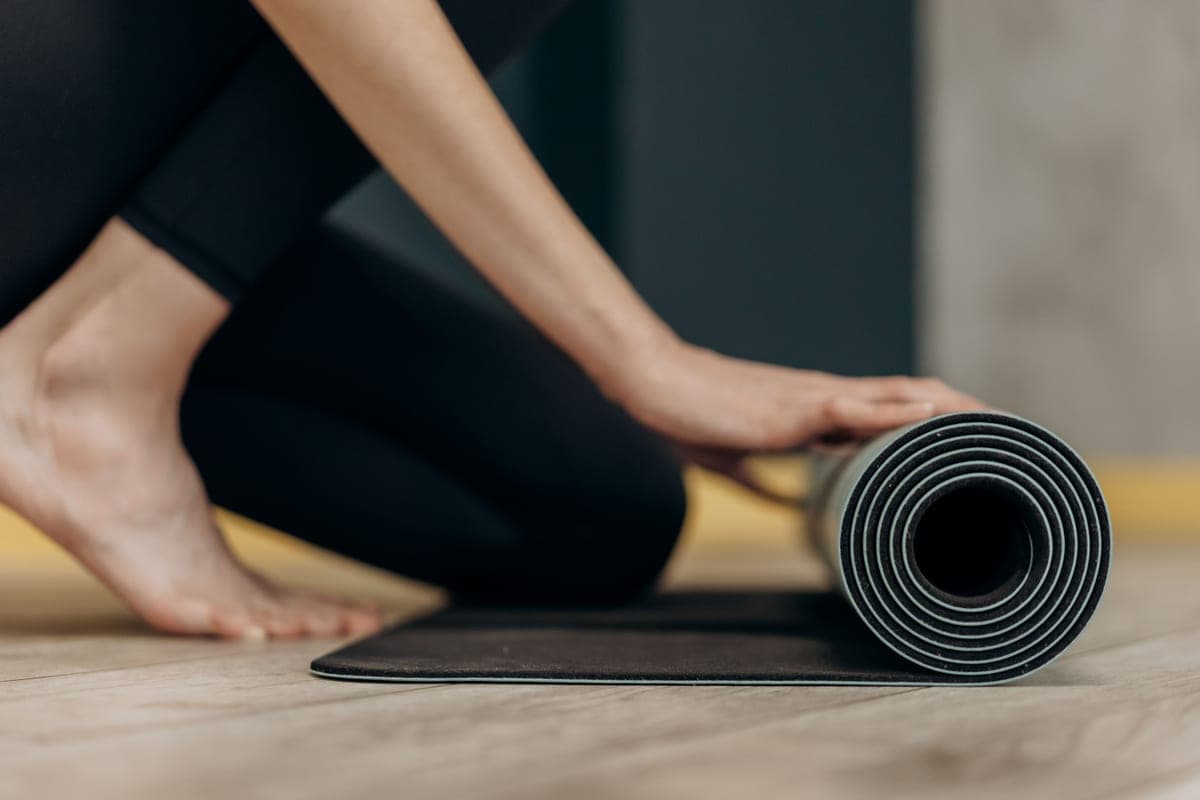
Natural rubber
JadeYoga Harmony Mat
The grippiest of the three when dry. Heavy, smells for a few weeks, contains latex.
Check price on Amazon#ad · Price set by Amazon · Affiliate disclosure for the link to JadeYoga Harmony Mat
 Stock photo
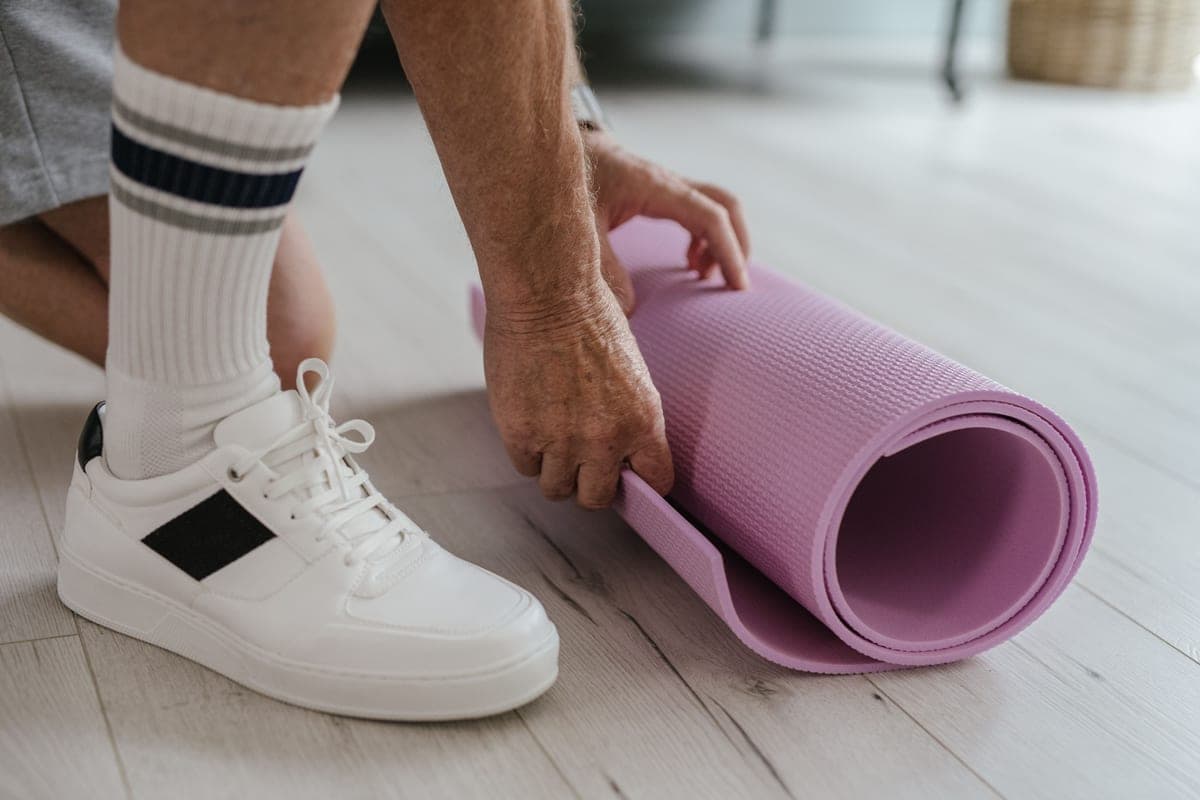
PVC
Gaiam Premium 6mm Yoga Mat
The durable, affordable middle. Grip drops off as you sweat, and it outlasts the other two.
Check price on Amazon#ad · Price set by Amazon · Affiliate disclosure for the link to Gaiam Premium 6mm Yoga Mat
 Stock photo
TPE
Heathyoga Eco Friendly TPE Mat
The lightest and the least smelly. Grip is the weakest of the three, and it marks more easily.
Check price on Amazon#ad · Price set by Amazon · Affiliate disclosure for the link to Heathyoga Eco Friendly TPE Mat
The verdict
Natural rubber if grip is your priority. PVC if longevity is. TPE if weight and smell are. There is no material that wins on all three, and anyone telling you otherwise is selling one of them.
For a first mat, PVC is the sensible default: it is the cheapest to make well, it lasts the longest, and its one real weakness — grip when damp — is fixable with a towel.
Side by side
| Natural rubber | PVC | TPE | |
|---|---|---|---|
| Grip dry | Excellent | Good once broken in | Fair |
| Grip damp | Good | Poor | Poor |
| Weight | Heavy | Medium to heavy | Light |
| Smell when new | Strong, fades in weeks | Mild plastic smell | Almost none |
| Lifespan | Good; open cell wears faster | Longest | Shortest |
| Cushioning | Good | Good | Good but softer |
| Latex | Yes | No | No |
| Recyclable | Biodegradable | Not readily | Recyclable in principle |
Each material in detail
Natural rubber
Made from tree rubber, usually with a textured surface. The grip against dry skin is the best of the three by a clear margin, which is why it is the standard recommendation for people who slide. It is heavy, it smells for a few weeks, and it contains latex proteins.
Rubber mats come in two kinds. Closed-cell shed moisture; open-cell absorb it, grip better when slightly damp, and need proper drying afterwards. The distinction matters most for cleaning — see the cleaning guide.
PVC
The workhorse. Dense, durable and cheap to manufacture at a good quality, which is why most mats under a moderate price are PVC. A good PVC mat stays flat for years; several carry lifetime guarantees from their makers.
Two caveats. Grip drops off sharply once you sweat, because closed-cell PVC keeps the moisture on the surface. And new PVC mats frequently have a manufacturing film that makes them slippery until it wears off — which is a temporary problem people routinely mistake for a permanent one.
TPE
A thermoplastic elastomer. The selling points are real: it is light, it has almost no smell, and it is generally cheaper than rubber. The costs are also real: grip is the weakest of the three, the surface marks and dents more easily, and TPE mats do not last as long.
TPE makes most sense for someone carrying a mat regularly who practices in a cool room, or for anyone who found a rubber mat unbearable to be in a room with.
The latex question
Natural rubber contains latex proteins and can cause a reaction in people with a latex allergy. This is the one material decision on this page with a safety dimension rather than a comfort one. The American Academy of Allergy, Asthma and Immunology has the clinical background.
If latex is a concern, PVC and TPE are both latex-free, and so are the synthetic grip-top mats. Cork mats almost always have a rubber base, so cork is not a way around it — see cork versus rubber.
In detail
Both, in full
Stock photoNatural rubber
JadeYoga Harmony Mat
As the manufacturer lists it · JadeYoga
What it gets right
- Hands and feet stop sliding, immediately
- Three lengths, including a genuinely long option
- Jade states it plants a tree for every mat sold
What it does not
- Open cell absorbs sweat and needs drying between sessions
- Sheds a little rubber dust early on
- Wears faster than a closed-cell PVC mat
Skip it if
you practice hot and cannot air the mat properly afterwards.
#ad · Price set by Amazon · Affiliate disclosure for the link to JadeYoga Harmony Mat
Stock photoPVC
Gaiam Premium 6mm Yoga Mat
As the manufacturer lists it · Gaiam
What it gets right
- Cushioned enough that floor work is comfortable on day one
- Light and easy to roll
- Cheap enough to be a low-risk first purchase
What it does not
- Grip fades as you sweat
- 68 in is short if you are tall
- Will not last the years a Manduka or Jade will
Skip it if
you already know you sweat heavily, or you are over about 5 ft 10 in.
#ad · Price set by Amazon · Affiliate disclosure for the link to Gaiam Premium 6mm Yoga Mat
Stock photoTPE
Heathyoga Eco Friendly TPE Mat
As the manufacturer lists it
What it gets right
- Body-alignment lines help you square up without a teacher
- 26 in wide, which is roomier than a standard mat
- TPE has almost no smell compared with rubber
What it does not
- Grip is average and drops off when damp
- TPE is softer and marks more easily than rubber
- Printed lines fade with heavy use
Skip it if
grip is your main problem — lines will not stop you sliding.
#ad · Price set by Amazon · Affiliate disclosure for the link to Heathyoga Eco Friendly TPE Mat
How we picked
Chosen on published criteria, and we say so
Most gear sites open by telling you how many hours they spent with the products. We have not used most of these, and we would rather say so than imply otherwise. Every pick here is chosen against criteria we publish — grip, cushioning, size options, what buyers report after a year of use, and whether the thing is still actually sold — and every manufacturer figure on the page is labeled as the maker's claim.
Nobody pays for a place on this page, no product was supplied free in exchange for coverage, and a specification the maker does not publish is never guessed at. See the full criteria and weighting.
FAQ
Questions people ask
Which yoga mat material is the most durable?
Is TPE better than PVC?
Do all rubber yoga mats smell?
Which material is best for sweaty practice?
Related
Keep reading
Update log
What changed
- First published.
Receipts
Sources
- 1.OutdoorGearLab — The Best Yoga Mats
- 2.Healthline — The Best Workout Mats
- 3.AAAAI — Latex allergy
- 4.Manduka — product information
- 5.JadeYoga — product information
We have not used every product on this page, and we do not pretend otherwise. Thicknesses, materials, sizes and warranty terms are the manufacturer's published figures, shown as their claims. Anything about materials, skin or injury is linked to a source. Prices are set by Amazon and change constantly, so we never print one. Read the full method.