Yoga Mats Comparison
Cork vs Rubber Yoga Mats: Which Grips Better?
Both are grippy, natural and heavier than PVC. The difference only shows up once your hands are damp, and then it is decisive.
We earn a commission when you buy through links on this page, at no extra cost to you. It never decides a ranking: the method is published. How we are funded
Side by side
The two, next to each other
 Stock photo
Pick cork if you sweat
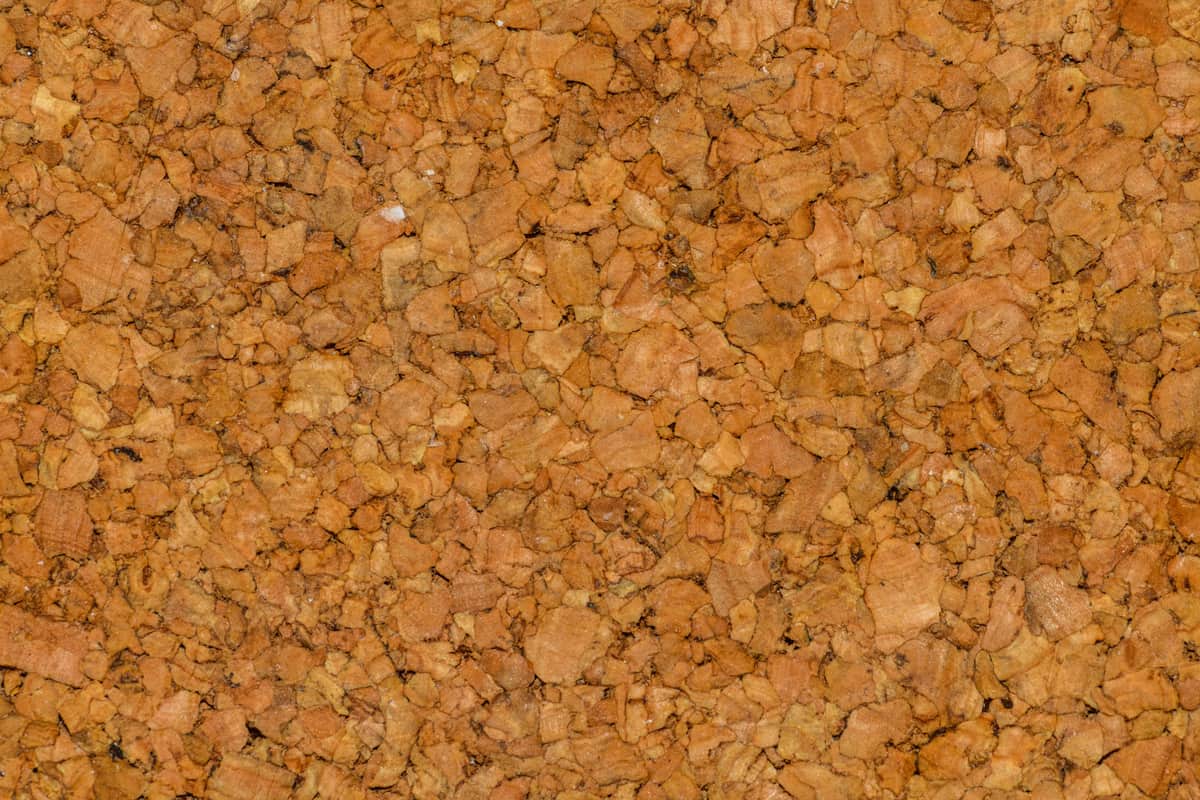
Yoloha Original Cork Yoga Mat
Grip improves with moisture, no smell, and it wipes clean. Firm and heavy.
Check price on Amazon#ad · Price set by Amazon · Affiliate disclosure for the link to Yoloha Original Cork Yoga Mat
 Stock photo
Pick rubber if you practice dry
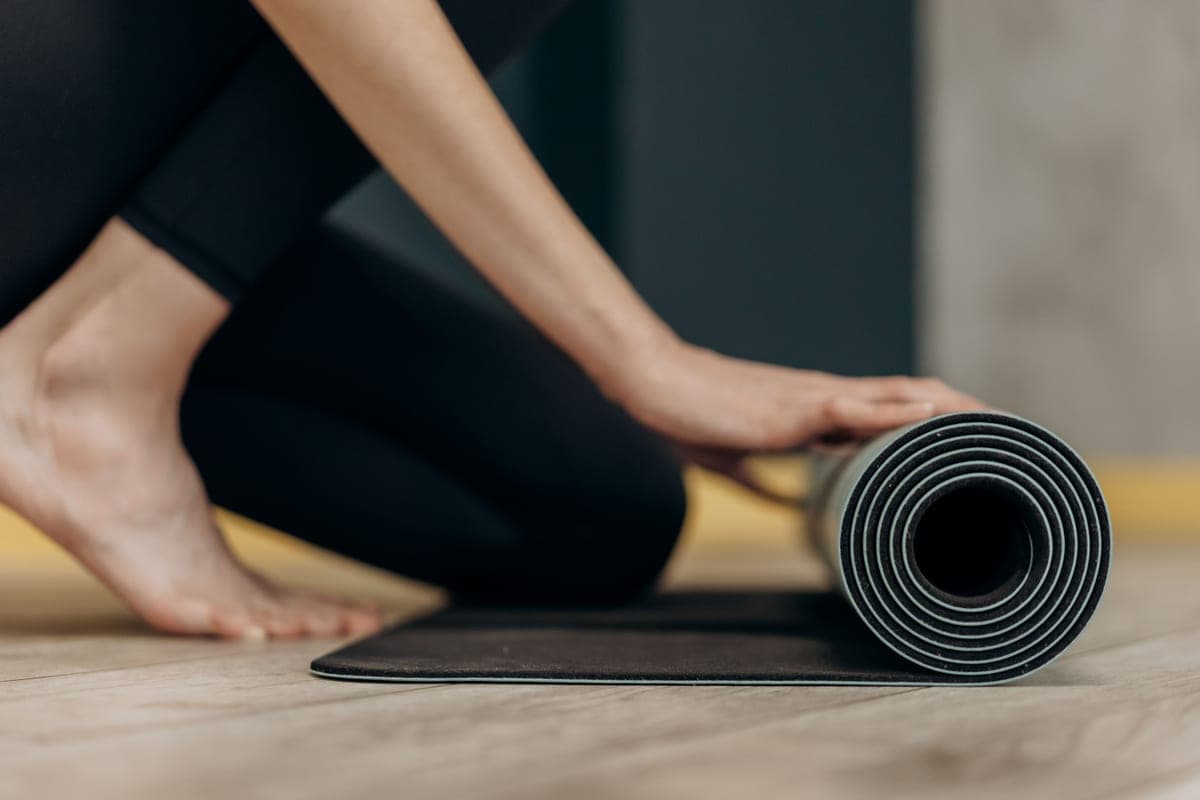
Manduka eKO 5mm
Better grip when your hands are dry, a little more give underfoot, and a rubber smell for the first weeks.
Check price on Amazon#ad · Price set by Amazon · Affiliate disclosure for the link to Manduka eKO 5mm
The verdict
If your hands get damp, buy cork. If they do not, buy rubber. That is genuinely the whole decision, and everything else — weight, smell, price, looks — is a secondary consideration that only matters once the grip question is settled.
Rubber is stickier against dry skin than anything else in common use. Cork is less sticky dry and becomes tackier as moisture arrives. They cross over somewhere around the point your palms start to feel slightly slick, which for most people is fifteen or twenty minutes into a moderately active session.
Side by side
| Cork over rubber | Natural rubber | |
|---|---|---|
| Grip when dry | Good | Excellent |
| Grip when damp | Excellent | Good |
| Grip when soaked | Good | Fair |
| Weight | Heavy | Heavy |
| Smell when new | Almost none | Strong for a few weeks |
| Cushioning | Firm | Slightly softer |
| Cleaning | Wipe and dry | Wipe; never soak an open-cell mat |
| Latex | Rubber base contains it | Contains it |
| Settling in | Curls for a week or two | Smell fades; grip is there immediately |
Grip, in detail
Rubber grips by friction and a degree of surface tack. Dry skin on natural rubber is about as grippy as a mat gets, which is why teachers so often recommend it for beginners who slide. Add water and that tack starts working against you, because the water sits between the two surfaces.
Cork is porous. A small amount of moisture goes into the surface rather than sitting on it, and the texture that remains is grippier than the dry cork was. There is a limit — a thoroughly soaked cork mat is not magically grippier than a dry one — but through the normal range of a sweaty session it holds up better than rubber.
Open-cell rubber, like the JadeYoga Harmony, sits between the two: it absorbs sweat into the material the way cork does, which is why it is the rubber recommended for people who sweat. The cost is that it needs proper drying and eventually wears out.
Living with each
The rubber smell
Real, strong, and temporary. A new natural rubber mat smells distinctly of rubber for one to three weeks, more in a small warm room. Airing it out of direct sun speeds it up. Some people find it genuinely off-putting, and if you practice in a small bedroom it is worth knowing before you order.
The cork curl
Also real, also temporary. Cork mats hold the shape they were rolled in and lift at the corners for the first week or two. Reverse-rolling or weighting the corners fixes it.
Latex
Both contain natural rubber and therefore latex proteins — cork mats almost always have a rubber base. If there is a latex allergy in the household, neither is the right choice; the AAAAI guidance on latex allergy is the place to start, and PVC or TPE is the safe alternative. Our materials guide covers the options.
In detail
Both, in full
Stock photoPick cork if you sweat
Yoloha Original Cork Yoga Mat
As the manufacturer lists it · Yoloha
What it gets right
- Moisture improves the grip rather than destroying it
- Cork does not hold smell the way open-cell rubber does
- Looks like a piece of furniture rather than gym kit
What it does not
- Heavy
- Curls at the corners for the first week or two
- Cork surface is firm — not a cushioning mat
Skip it if
you need cushion for sore knees, or you carry your mat daily.
#ad · Price set by Amazon · Affiliate disclosure for the link to Yoloha Original Cork Yoga Mat
Stock photoPick rubber if you practice dry
Manduka eKO 5mm
As the manufacturer lists it · Manduka
What it gets right
- Grippy immediately, dry or lightly damp
- Enough cushion for most floor work
- Natural rubber rather than PVC
What it does not
- Distinct rubber smell for the first weeks
- Heavier than a PVC mat of the same thickness
- Natural rubber contains latex proteins
Skip it if
you have a latex allergy, or a strong rubber smell in a small room would put you off practicing.
#ad · Price set by Amazon · Affiliate disclosure for the link to Manduka eKO 5mm
How each one ages
Grip is the decision on day one. Three years in, the question is a different one, and the two materials fail in opposite ways.
Cork wears down. The surface slowly smooths where your hands and feet land, and the grip goes with it. It is gradual rather than sudden, and the rubber base usually outlasts the cork on top. Nothing restores it — a worn cork surface is a replacement.
Rubber breaks down. Natural rubber oxidizes. Left in sunlight or a hot car it hardens, chalks and eventually cracks at the roll line. Kept out of direct sun it lasts years. Open-cell rubber has a second clock running: it absorbs sweat, and past a certain point that is what ends its life rather than the wear.
What that means for the purchase. If your mat lives rolled in a corner of a normal room, both will give you years. If it spends time in a car, on a balcony or in a conservatory, cork is the more forgiving of the two. If you sweat heavily and cannot always air the mat properly, cork again — that is exactly the condition open-cell rubber does not survive.
The one thing that kills either of them
Rolling it up wet. It is the same answer for both materials, it is free, and it is the single biggest difference between a mat that lasts five years and one that lasts eighteen months. The cleaning guide has the routine for each surface, and the two are genuinely different.
How we picked
Chosen on published criteria, and we say so
Most gear sites open by telling you how many hours they spent with the products. We have not used most of these, and we would rather say so than imply otherwise. Every pick here is chosen against criteria we publish — grip, cushioning, size options, what buyers report after a year of use, and whether the thing is still actually sold — and every manufacturer figure on the page is labeled as the maker's claim.
Nobody pays for a place on this page, no product was supplied free in exchange for coverage, and a specification the maker does not publish is never guessed at. See the full criteria and weighting.
FAQ
Questions people ask
Which is grippier, cork or rubber?
Do cork yoga mats contain latex?
Which lasts longer?
Related
Keep reading
Update log
What changed
- First published.
Receipts
Sources
- 1.Yoloha Yoga — cork mats
- 2.JadeYoga — product information
- 3.Manduka — product information
- 4.AAAAI — Latex allergy
- 5.OutdoorGearLab — The Best Yoga Mats
We have not used every product on this page, and we do not pretend otherwise. Thicknesses, materials, sizes and warranty terms are the manufacturer's published figures, shown as their claims. Anything about materials, skin or injury is linked to a source. Prices are set by Amazon and change constantly, so we never print one. Read the full method.