Yoga Mats Comparison
Manduka PRO vs Gaiam Premium: Which Mat Should You Buy?
One is the mat people keep for a decade. The other is the mat people actually start on. They are not competing for the same buyer.
We earn a commission when you buy through links on this page, at no extra cost to you. It never decides a ranking: the method is published. How we are funded
Side by side
The two, next to each other
 Stock photo
Buy if you are committed
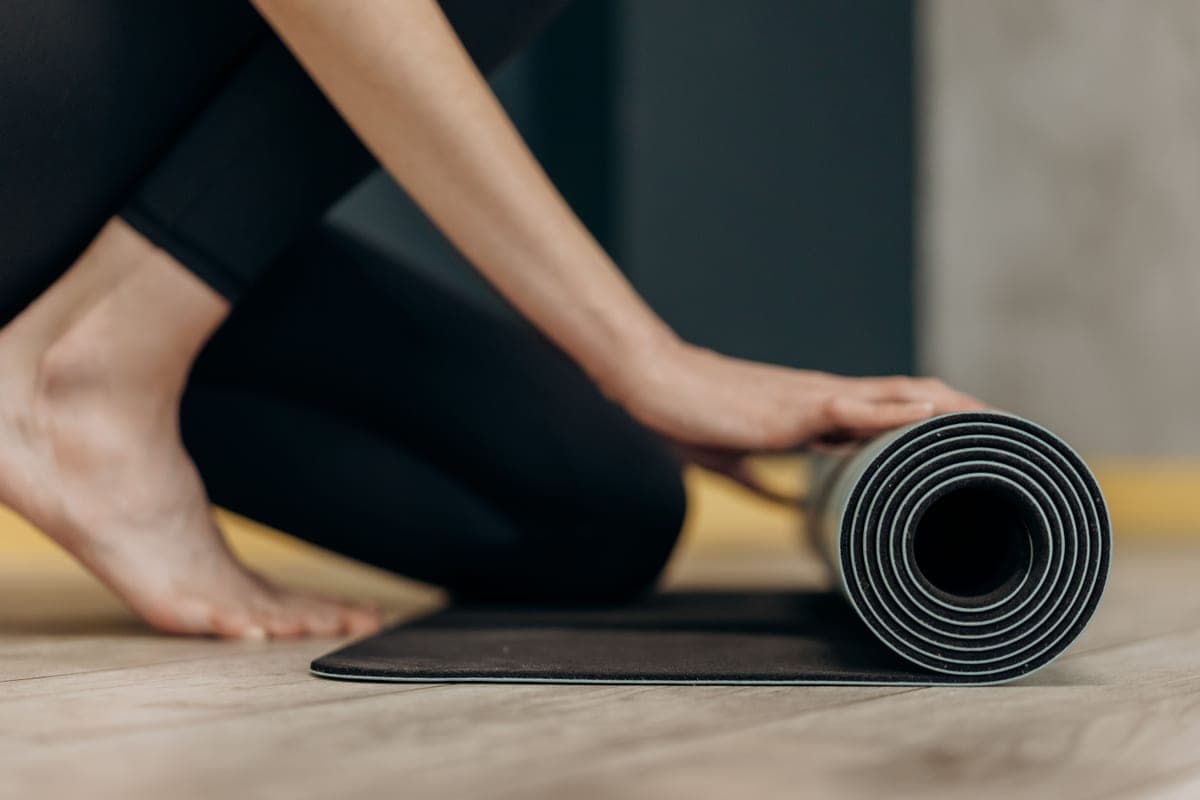
Manduka PRO 6mm
Dense 6 mm, lifetime guarantee, and it will still be flat in five years. Heavy, and slippery until broken in.
Check price on Amazon#ad · Price set by Amazon · Affiliate disclosure for the link to Manduka PRO 6mm
 Stock photo
Buy if you are starting out
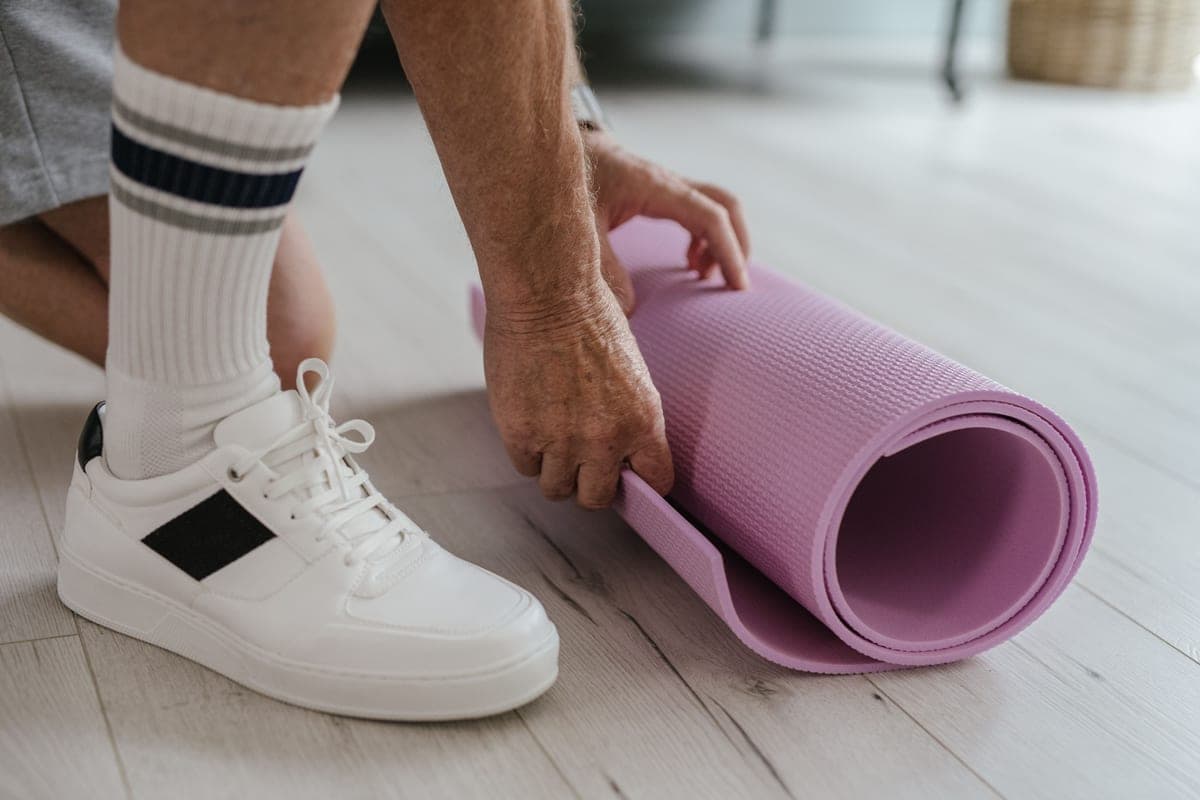
Gaiam Premium 6mm Yoga Mat
Same nominal thickness, a fraction of the price, and no break-in. It will not last as long.
Check price on Amazon#ad · Price set by Amazon · Affiliate disclosure for the link to Gaiam Premium 6mm Yoga Mat
The verdict
Buy the Gaiam Premium if this is your first mat. Buy the Manduka PRO if you already know you will keep going. They are both nominally 6 mm and they are not the same object at all: one is dense PVC built to be used daily for years, the other is a light, comfortable mat built to be affordable.
The mistake worth avoiding is buying the PRO first, discovering it is slippery out of the box, and concluding that expensive mats are a con. They are not — but the break-in is real and nobody warns beginners about it.
Side by side
| Manduka PRO | Gaiam Premium | |
|---|---|---|
| Thickness (maker) | 6 mm | 6 mm |
| Density | Very dense | Moderate |
| Weight | Heavy | Light |
| Grip out of the box | Slippery until broken in | Fine immediately |
| Grip when damp | Poor | Poor |
| Lengths | 71 in and 85 in | 68 in |
| Warranty | Lifetime guarantee (maker's terms) | Standard |
| Realistic lifespan | Many years | A year or two of regular use |
Cushioning and stability
Both are 6 mm and they do not feel the same underfoot. The PRO is dense, so your knee compresses it a little and then stops; the Gaiam is softer, so it gives more and then bottoms out sooner. For kneeling, the PRO is meaningfully more comfortable despite the identical number on the box.
Stability follows the same logic in reverse. The PRO stays firm under a standing foot, which makes balancing easier. The Gaiam has a touch more give. Neither is unstable; the difference is small but consistent.
The other practical gap is length. A 68 in mat is short for anyone much above average height, and the PRO's 85 in version is one of the few genuinely long mats available. If your heels hang off the end, the size guide is the page to read.
The break-in problem
Closed-cell PVC leaves the factory with a residue on the surface, and dense premium mats have more of it than cheap ones. A brand-new PRO is genuinely slippery, and it stays that way for one to three weeks of regular use.
This is fixable and expected. Wash it with a damp cloth and mild soap, use it, and it improves session by session. Some owners use a coarse salt scrub to speed it up. The Gaiam has less of this problem, mostly because it is less dense.
If you buy the PRO and it slides on day one, nothing is wrong with it — this is the expected behavior, and it is the single most common complaint from people who bought a premium mat expecting immediate grip.
If you want immediate grip and long life in the same mat, neither of these is your answer: a natural rubber mat is, and the options are in the beginner roundup.
The cost-per-year argument, and where it breaks
The standard defense of a premium mat is that it works out cheaper over time, and it is true on the arithmetic. A dense PVC mat that stays flat for eight years against a foam mat replaced every eighteen months is not a close contest, and the lifetime guarantee on the PRO is the maker's own term rather than our claim about it.
The argument has one real hole, and it is worth naming because it is the situation most first-time buyers are actually in: it only holds if you keep practicing. Divided over eight years the expensive mat is cheap. Divided over the four months before it goes under a bed, it is the most expensive object in this category. Nobody knows which of those they are in during week one, and the people most confident they will keep going are not reliably the ones who do.
So the rational sequence for most people is the unglamorous one: buy the inexpensive mat, practice for two or three months, and buy the mat you will keep once the habit is real rather than intended. The money you “waste” on the first mat is small, and it buys you information about grip, thickness and length that no product page can give you.
The exception is someone who already practices — classes, a studio, a borrowed mat at a friend's house. If you are buying for home because you want to do more of something you already do, skip the first rung entirely. That is the buyer the PRO is genuinely for.
In detail
Both, in full
Stock photoBuy if you are committed
Manduka PRO 6mm
As the manufacturer lists it · Manduka
What it gets right
- Dense enough that kneeling and forearm work stop hurting
- Closed cell, so sweat sits on top instead of soaking in
- Genuinely lasts — the lifetime guarantee is the maker's own
- An 85 in version exists if you are tall
What it does not
- Heavy. This is not a mat you carry far
- Slippery out of the box until the surface is broken in
- Closed-cell grip drops away once your hands are wet
Skip it if
you want grip on day one, practice hot, or need to carry the mat anywhere.
#ad · Price set by Amazon · Affiliate disclosure for the link to Manduka PRO 6mm
Stock photoBuy if you are starting out
Gaiam Premium 6mm Yoga Mat
As the manufacturer lists it · Gaiam
What it gets right
- Cushioned enough that floor work is comfortable on day one
- Light and easy to roll
- Cheap enough to be a low-risk first purchase
What it does not
- Grip fades as you sweat
- 68 in is short if you are tall
- Will not last the years a Manduka or Jade will
Skip it if
you already know you sweat heavily, or you are over about 5 ft 10 in.
#ad · Price set by Amazon · Affiliate disclosure for the link to Gaiam Premium 6mm Yoga Mat
How we picked
Chosen on published criteria, and we say so
Most gear sites open by telling you how many hours they spent with the products. We have not used most of these, and we would rather say so than imply otherwise. Every pick here is chosen against criteria we publish — grip, cushioning, size options, what buyers report after a year of use, and whether the thing is still actually sold — and every manufacturer figure on the page is labeled as the maker's claim.
Nobody pays for a place on this page, no product was supplied free in exchange for coverage, and a specification the maker does not publish is never guessed at. See the full criteria and weighting.
FAQ
Questions people ask
Is the Manduka PRO worth the money?
Why is my new Manduka PRO slippery?
Is the Gaiam Premium good enough?
Related
Keep reading
Update log
What changed
- First published.
Receipts
Sources
- 1.Manduka — product information
- 2.Gaiam — product information
- 3.OutdoorGearLab — The Best Yoga Mats
- 4.Reviewed — The Best Yoga Mats
We have not used every product on this page, and we do not pretend otherwise. Thicknesses, materials, sizes and warranty terms are the manufacturer's published figures, shown as their claims. Anything about materials, skin or injury is linked to a source. Prices are set by Amazon and change constantly, so we never print one. Read the full method.