Yoga Mats Best picks
The Best Yoga Mats for Carpet
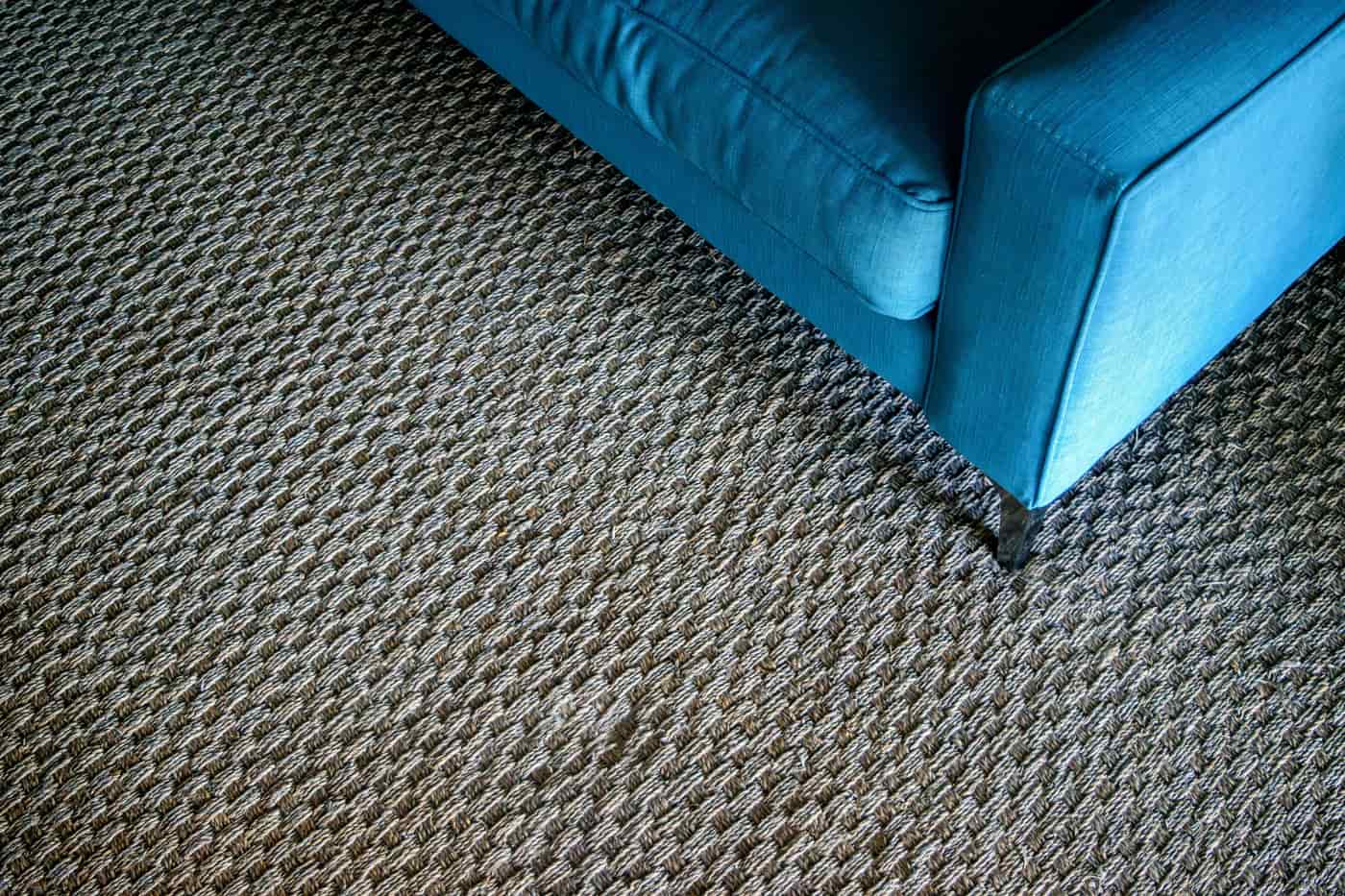
Carpet already gives you the cushioning. What it takes away is stability, and a thick mat on top makes that worse rather than better.
We earn a commission when you buy through links on this page, at no extra cost to you. It never decides a ranking: the method is published. How we are funded
Quick picks
The short answer
1 · Best overall on carpet
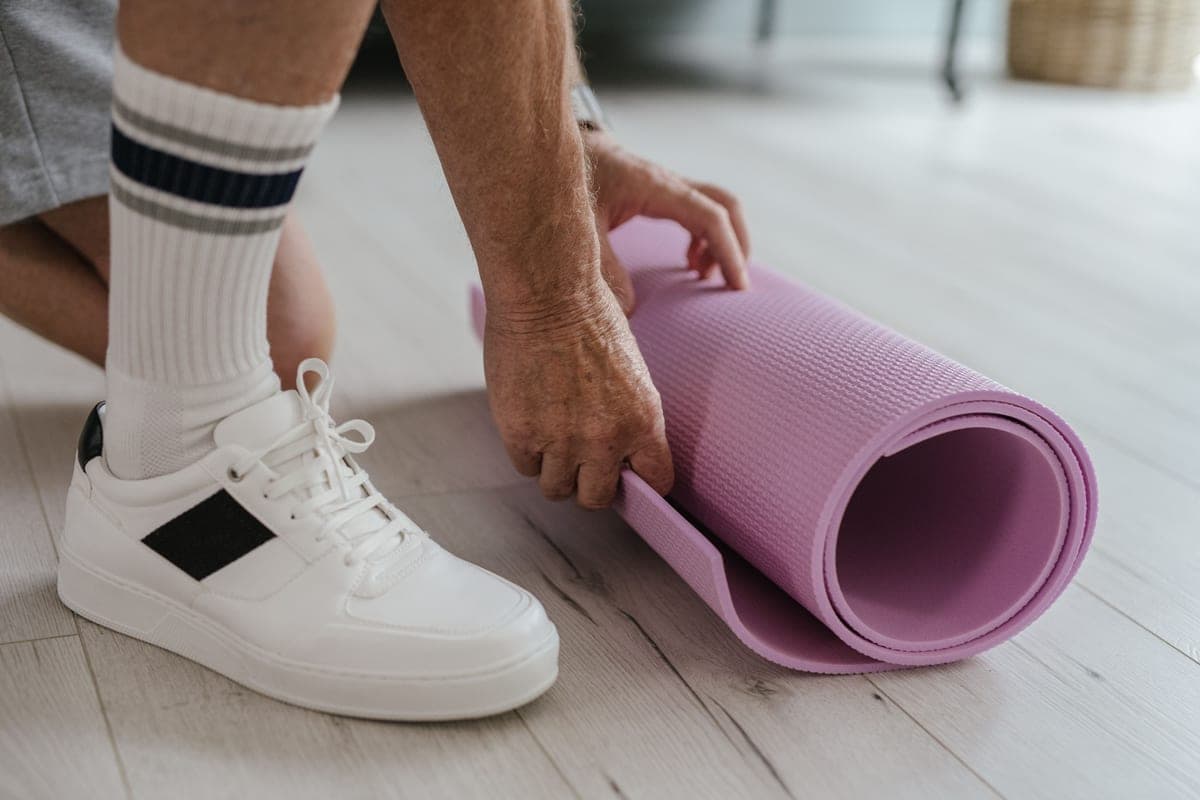
Manduka PROlite 4.7mmThin enough not to add wobble, dense enough to spread your weight over the pile. Heavy enough to stay put.
Maker lists thickness: 4.7 mm
2 · Best grip on top
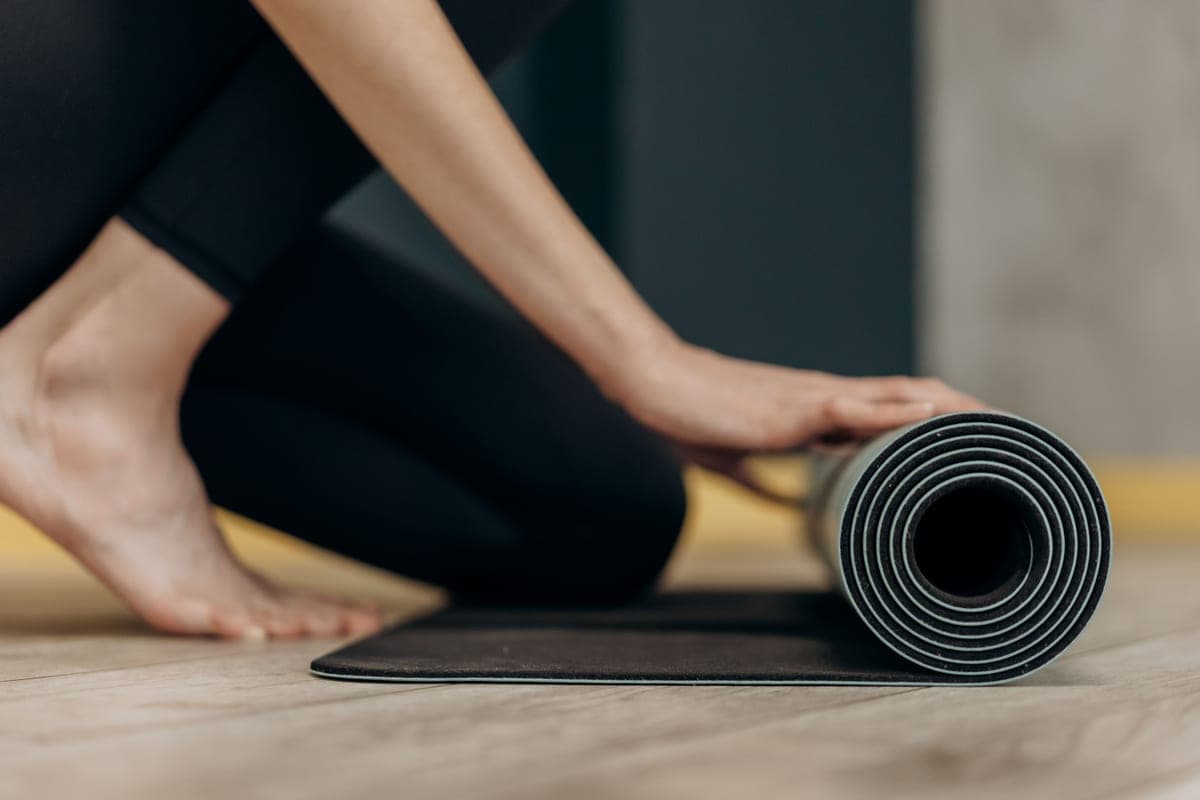
JadeYoga Harmony MatCarpet cannot give you grip, so the mat has to. This one does, immediately.
Maker lists thickness: 3/16 in (about 4.8 mm)
3 · Best against creeping
Manduka X Mat 5mmTextured both sides, which is the property that stops a mat traveling across pile.
Maker lists thickness: 5 mm
4 · Best rubber option
Manduka eKO 5mmHeavier than a foam mat, which genuinely helps on carpet. Grippy from the first session.
Maker lists thickness: 5 mm
5 · Best if you also sweat
Liforme Original Yoga MatDense, wide and grippy when damp. The premium answer to both problems at once.
Maker lists thickness: 4.2 mm
#ad · Prices are set by Amazon and change often, so we do not print them. Figures here are the manufacturer's own. The ranking is editorial, made against the criteria on our How We Pick page, not from lab work. Photos are stock. Tap a pick for the full write-up.
The short answer
Go thinner and denser than you would on a hard floor — around 4 to 5 mm — and prioritize weight. The carpet supplies the padding. What it cannot supply is a stable, non-slip surface, and a soft mat on soft carpet gives you two unstable layers stacked on top of each other.
What carpet changes
Three things, and they all push in the same direction.
Cushioning stops being the problem. The most common reason to buy a thick mat — kneeling on a hard floor — largely disappears. That frees you to choose for grip instead of padding, which is usually the better choice anyway.
Stability becomes the problem. Balancing on one leg on carpet is already harder than on wood. Adding a soft mat compounds it, and a beginner who wobbles in every standing pose tends to conclude they are bad at balancing rather than that they are standing on two cushions.
The mat has nothing to grip. On a hard floor a rubber underside sticks. On pile there is nothing solid to stick to, so mats creep forward through a flow. Heavier, denser mats creep less; so do mats with a textured rather than smooth underside.
Thick pile, thin pile and rugs
| Surface | Mat thickness | Watch out for |
|---|---|---|
| Low-pile carpet | 4-5 mm | Very little; this is the easy case |
| Medium pile | 3-5 mm, dense | Creeping. Choose a heavier mat |
| Deep or shag pile | 4-5 mm, the densest you can find | Standing balances will still be hard. Consider a hard-floor room instead |
| A flat rug over wood | Treat as a hard floor minus a millimeter | Rug sliding on the floor beneath |
On genuinely deep pile there is a limit to what a mat can fix. If you have another room with a hard floor and enough space, that room is the better answer — setting up a practice space covers finding it.
In detail
Every pick, in full
1
Stock photoBest overall on carpet
Manduka PROlite 4.7mm
As the manufacturer lists it · Manduka
What it gets right
- Noticeably easier to carry than the PRO
- Same closed-cell surface and the same long life
- Stable in standing balances because it does not sink
What it does not
- Less cushion than the PRO — kneeling is firmer
- Same break-in period before it grips
- Still costs like a long-term mat, not a first mat
Skip it if
your knees are the reason you are buying a mat — go up to the 6 mm PRO instead.
#ad · Price set by Amazon · Affiliate disclosure for the link to Manduka PROlite 4.7mm
2
Stock photoBest grip on top
JadeYoga Harmony Mat
As the manufacturer lists it · JadeYoga
What it gets right
- Hands and feet stop sliding, immediately
- Three lengths, including a genuinely long option
- Jade states it plants a tree for every mat sold
What it does not
- Open cell absorbs sweat and needs drying between sessions
- Sheds a little rubber dust early on
- Wears faster than a closed-cell PVC mat
Skip it if
you practice hot and cannot air the mat properly afterwards.
#ad · Price set by Amazon · Affiliate disclosure for the link to JadeYoga Harmony Mat
3
Stock photoBest against creeping
Manduka X Mat 5mm
As the manufacturer lists it · Manduka
What it gets right
- Stable under rolling and shifting weight, not just static poses
- Wipes clean quickly
- Textured both sides so it does not slide on the floor
What it does not
- Less cushion than a dedicated pilates mat
- No alignment markings
- Firm surface takes getting used to after a foam mat
Skip it if
your practice is almost entirely seated or kneeling — you will want more padding.
#ad · Price set by Amazon · Affiliate disclosure for the link to Manduka X Mat 5mm
4
Stock photoBest rubber option
Manduka eKO 5mm
As the manufacturer lists it · Manduka
What it gets right
- Grippy immediately, dry or lightly damp
- Enough cushion for most floor work
- Natural rubber rather than PVC
What it does not
- Distinct rubber smell for the first weeks
- Heavier than a PVC mat of the same thickness
- Natural rubber contains latex proteins
Skip it if
you have a latex allergy, or a strong rubber smell in a small room would put you off practicing.
#ad · Price set by Amazon · Affiliate disclosure for the link to Manduka eKO 5mm
5
Stock photoBest if you also sweat
Liforme Original Yoga Mat
As the manufacturer lists it · Liforme
What it gets right
- Grip holds up as you sweat, not just when dry
- Alignment markers are a real teaching aid at the start
- Wider and longer than a standard mat
What it does not
- Expensive enough to be a considered purchase
- The top layer wears faster than PVC over years
- Heavy to carry regularly
Skip it if
you are not yet sure you will keep practicing — buy a cheap mat first and upgrade to this one.
#ad · Price set by Amazon · Affiliate disclosure for the link to Liforme Original Yoga Mat
What to look for
- Weight is a feature here. The thing that stops a mat creeping on pile is mass. This is the one scenario where a heavy mat is an advantage.
- Density over thickness. A dense 4 mm mat spreads your weight across the pile. A soft 8 mm one lets you sink into both layers.
- Texture on the underside. Not universal, and it makes a real difference on carpet.
- Hygiene. Carpet holds sweat and skin far better than a hard floor does, which is a good argument for a mat even if the cushioning is already fine. Cleaning routine here.
The wider question — whether you need a mat on carpet at all — is answered in do you need a yoga mat if you have carpet.
How we picked
Chosen on published criteria, and we say so
Most gear sites open by telling you how many hours they spent with the products. We have not used most of these, and we would rather say so than imply otherwise. Every pick here is chosen against criteria we publish — grip, cushioning, size options, what buyers report after a year of use, and whether the thing is still actually sold — and every manufacturer figure on the page is labeled as the maker's claim.
Nobody pays for a place on this page, no product was supplied free in exchange for coverage, and a specification the maker does not publish is never guessed at. See the full criteria and weighting.
FAQ
Questions people ask
What thickness of yoga mat is best for carpet?
Why does my yoga mat move on carpet?
Can I do yoga on carpet with no mat?
Related
Keep reading
Update log
What changed
- First published.
Receipts
Sources
- 1.OutdoorGearLab — The Best Yoga Mats
- 2.Healthline — The Best Workout Mats
- 3.Manduka — product information
- 4.JadeYoga — product information
We have not used every product on this page, and we do not pretend otherwise. Thicknesses, materials, sizes and warranty terms are the manufacturer's published figures, shown as their claims. Anything about materials, skin or injury is linked to a source. Prices are set by Amazon and change constantly, so we never print one. Read the full method.