Yoga Mats Best picks
The Best Mats for Mat Pilates
Pilates asks a mat to be firm and stable while you roll along it. That is a different job from holding a standing pose, and it wants a different mat.
We earn a commission when you buy through links on this page, at no extra cost to you. It never decides a ranking: the method is published. How we are funded
Quick picks
The short answer
1 · Best overall for mat pilates
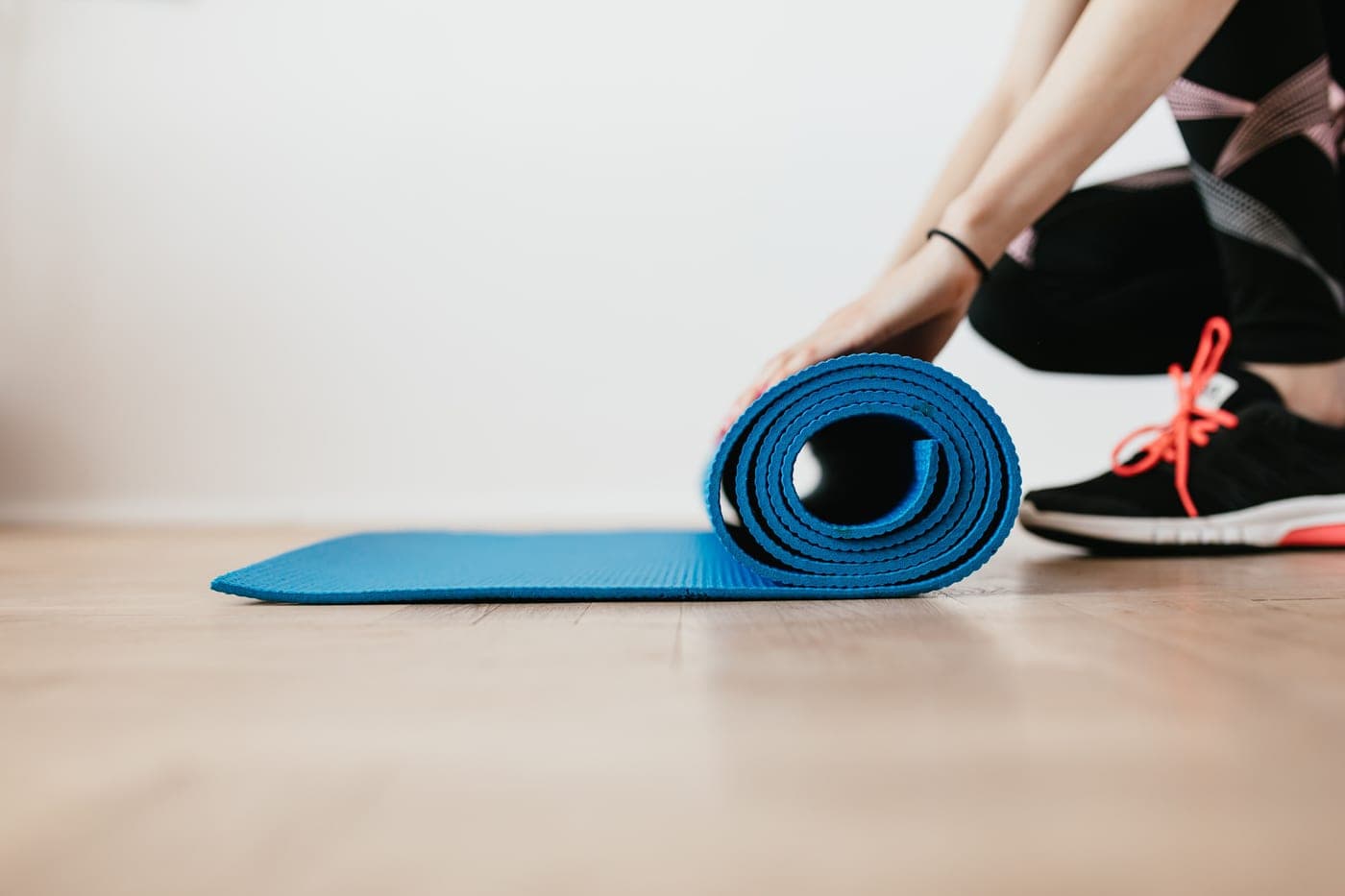
Manduka X Mat 5mmBuilt for shifting, rolling floor work. Dense, textured both sides, and it wipes clean fast.
Maker lists thickness: 5 mm
2 · Best if your spine needs padding
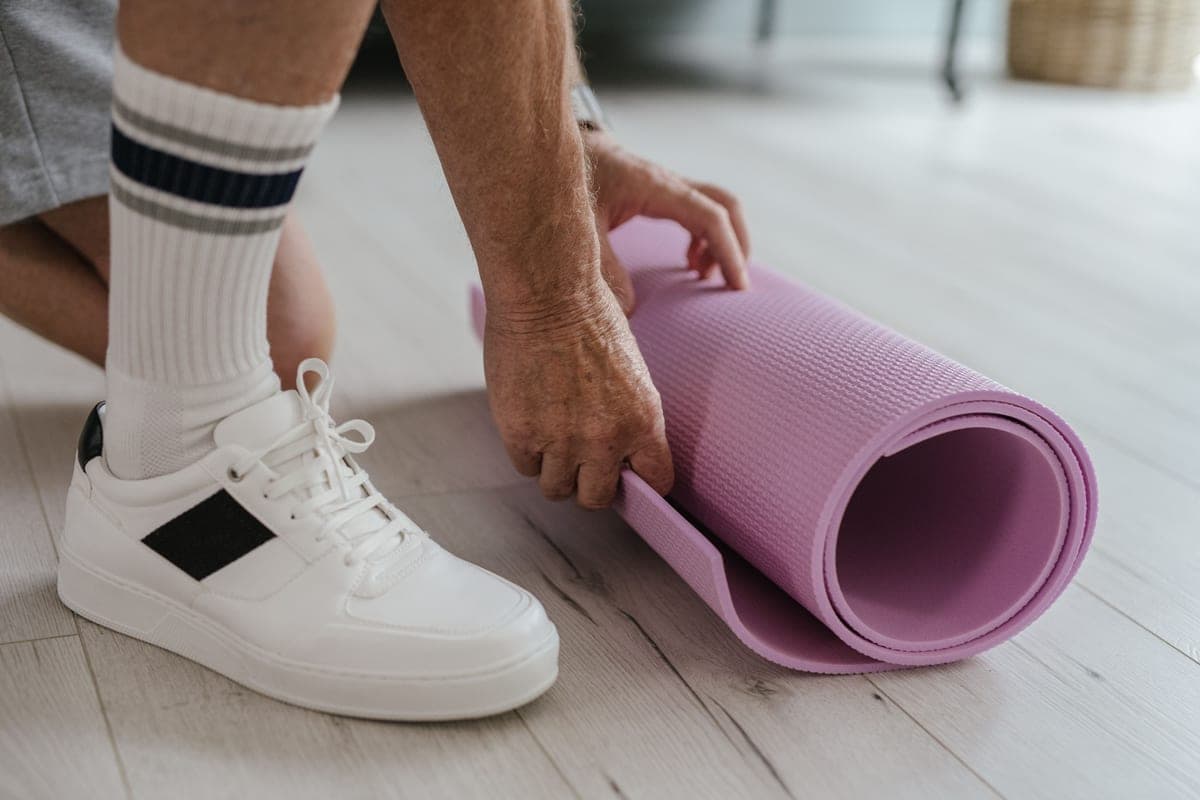
Manduka PRO 6mmMore cushion than the X and just as dense, so rolling still feels supported rather than squashy.
Maker lists thickness: 6 mm
3 · Best grip for standing pilates work
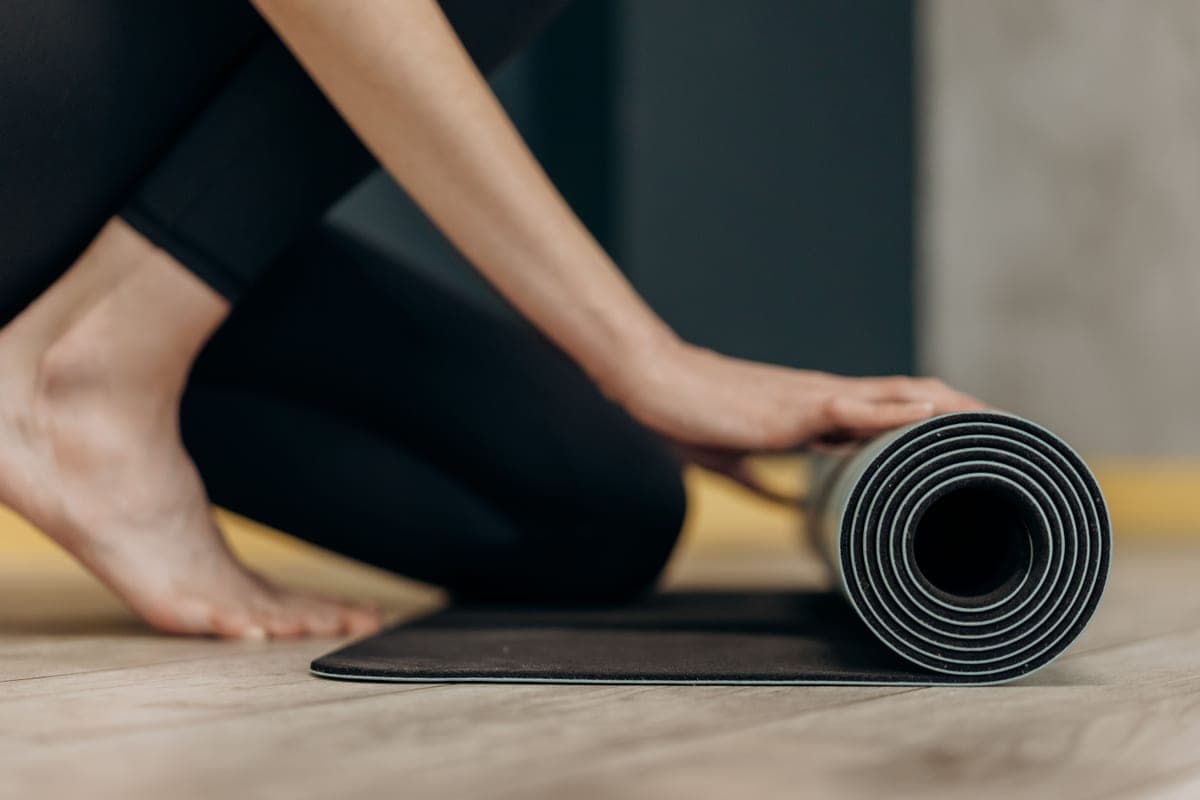
Manduka eKO 5mmNatural rubber, so your feet stay put in standing series. Slightly softer than the X.
Maker lists thickness: 5 mm
4 · Most padding for the spine
Gaiam Essentials Thick Yoga MatVery soft. Comfortable for rolling, unhelpful the moment you stand up on it.
Maker lists thickness: 2/5 in (about 10 mm)
5 · Budget option with texture
Retrospec Solana Yoga MatCheap, thick and slightly textured. It will dent where your hips go within a year.
Maker lists thickness: 1/2 in (about 12.7 mm)
#ad · Prices are set by Amazon and change often, so we do not print them. Figures here are the manufacturer's own. The ranking is editorial, made against the criteria on our How We Pick page, not from lab work. Photos are stock. Tap a pick for the full write-up.
The short answer
You want firm and dense, around 5 to 6 mm, not soft and thick. The Manduka X is the clean answer: made for exactly this kind of shifting floor work, textured on both sides so it does not travel across the floor, and easy to wipe down.
If you already own a yoga mat, use it first. It will be fine, and a few sessions will tell you whether you want something firmer before you spend anything.
Why pilates wants a different mat
Yoga mostly loads a mat from above through hands and feet, in positions you hold. Pilates rolls your spine along the surface, slides your weight from one end of the mat to the other, and asks you to stay organized while it does. Those are different demands.
On a very soft mat, your spine sinks in. That sounds comfortable and it works against the exercise: the whole point of a roll-up is feeling one vertebra leave the mat after another, and you cannot feel that if the mat has closed around you. A firmer surface gives you something to articulate against.
The second difference is friction with the floor. Pilates generates lateral force, and a mat that creeps forward every few repetitions is a constant low-level irritation. Mats with texture on the underside stay put better, which is why several pilates-oriented mats are textured on both sides.
We compare the two categories directly in yoga mat versus pilates mat.
How thick
| Thickness | Rolling comfort | Stability | Verdict for pilates |
|---|---|---|---|
| 3-4 mm | Bony spine feels it | Excellent | Only if you have a padded floor |
| 5-6 mm dense | Good | Very good | The sweet spot |
| 8 mm | Very good | Fair | Fine if you never stand up on it |
| 10 mm+ foam | Too soft; you sink | Poor | Works against the exercise |
Note how different that table is from the yoga equivalent in the thickness guide. Thicker is more clearly wrong here than it is for yoga.
In detail
Every pick, in full
1
Stock photoBest overall for mat pilates
Manduka X Mat 5mm
As the manufacturer lists it · Manduka
What it gets right
- Stable under rolling and shifting weight, not just static poses
- Wipes clean quickly
- Textured both sides so it does not slide on the floor
What it does not
- Less cushion than a dedicated pilates mat
- No alignment markings
- Firm surface takes getting used to after a foam mat
Skip it if
your practice is almost entirely seated or kneeling — you will want more padding.
#ad · Price set by Amazon · Affiliate disclosure for the link to Manduka X Mat 5mm
2
Stock photoBest if your spine needs padding
Manduka PRO 6mm
As the manufacturer lists it · Manduka
What it gets right
- Dense enough that kneeling and forearm work stop hurting
- Closed cell, so sweat sits on top instead of soaking in
- Genuinely lasts — the lifetime guarantee is the maker's own
- An 85 in version exists if you are tall
What it does not
- Heavy. This is not a mat you carry far
- Slippery out of the box until the surface is broken in
- Closed-cell grip drops away once your hands are wet
Skip it if
you want grip on day one, practice hot, or need to carry the mat anywhere.
#ad · Price set by Amazon · Affiliate disclosure for the link to Manduka PRO 6mm
3
Stock photoBest grip for standing pilates work
Manduka eKO 5mm
As the manufacturer lists it · Manduka
What it gets right
- Grippy immediately, dry or lightly damp
- Enough cushion for most floor work
- Natural rubber rather than PVC
What it does not
- Distinct rubber smell for the first weeks
- Heavier than a PVC mat of the same thickness
- Natural rubber contains latex proteins
Skip it if
you have a latex allergy, or a strong rubber smell in a small room would put you off practicing.
#ad · Price set by Amazon · Affiliate disclosure for the link to Manduka eKO 5mm
4
Stock photoMost padding for the spine
Gaiam Essentials Thick Yoga Mat
As the manufacturer lists it · Gaiam
What it gets right
- The most forgiving surface here for knees and elbows
- Long enough for most people at 72 in
- Comes with a strap, so nothing extra to buy
What it does not
- Standing balances wobble on this much foam
- Foam dents and compresses over time
- Not a grippy surface once damp
Skip it if
your practice is mostly standing poses and balances.
#ad · Price set by Amazon · Affiliate disclosure for the link to Gaiam Essentials Thick Yoga Mat
5
Stock photoBudget option with texture
Retrospec Solana Yoga Mat
As the manufacturer lists it
What it gets right
- More surface texture than a plain foam mat
- Long enough at 72 in for most people
- Cheap and widely stocked
What it does not
- Foam still dents under knees over time
- Not a hot-yoga surface
- Colors vary in finish between batches, buyers report
Skip it if
you want a mat that will still be flat in three years.
#ad · Price set by Amazon · Affiliate disclosure for the link to Retrospec Solana Yoga Mat
What to look for
- Density over softness. Press a thumb in. If it sinks easily, it will sink under your hip bone too.
- Texture on both sides. Keeps the mat from traveling across a hard floor during lateral work.
- Length. Pilates uses the full length of the mat more consistently than yoga does. Your head and tailbone should both be on it.
- Wipeability. Mat pilates involves a lot of skin contact along the whole surface. A closed-cell mat you can wipe is more practical than an open-cell one you have to air.
If you are also buying small equipment, the order that makes sense is set out in what you need for pilates at home, and the wider question of machines is in reformer versus mat pilates.
How we picked
Chosen on published criteria, and we say so
Most gear sites open by telling you how many hours they spent with the products. We have not used most of these, and we would rather say so than imply otherwise. Every pick here is chosen against criteria we publish — grip, cushioning, size options, what buyers report after a year of use, and whether the thing is still actually sold — and every manufacturer figure on the page is labeled as the maker's claim.
Nobody pays for a place on this page, no product was supplied free in exchange for coverage, and a specification the maker does not publish is never guessed at. See the full criteria and weighting.
FAQ
Questions people ask
Can I use a yoga mat for pilates?
What is the difference between a yoga mat and a pilates mat?
How thick should a pilates mat be?
Related
Keep reading
Update log
What changed
- First published.
Receipts
Sources
- 1.Manduka — product information
- 2.Merrithew — Pilates equipment shop
- 3.OutdoorGearLab — The Best Yoga Mats
- 4.Healthline — The Best Workout Mats
We have not used every product on this page, and we do not pretend otherwise. Thicknesses, materials, sizes and warranty terms are the manufacturer's published figures, shown as their claims. Anything about materials, skin or injury is linked to a source. Prices are set by Amazon and change constantly, so we never print one. Read the full method.