What to Wear Comparison
Cotton vs Synthetic: What to Wear to Practice
One is more comfortable and smells less. The other actually works when you sweat. The room temperature decides it.
We earn a commission when you buy through links on this page, at no extra cost to you. It never decides a ranking: the method is published. How we are funded
Side by side
The two, next to each other
 Stock photo
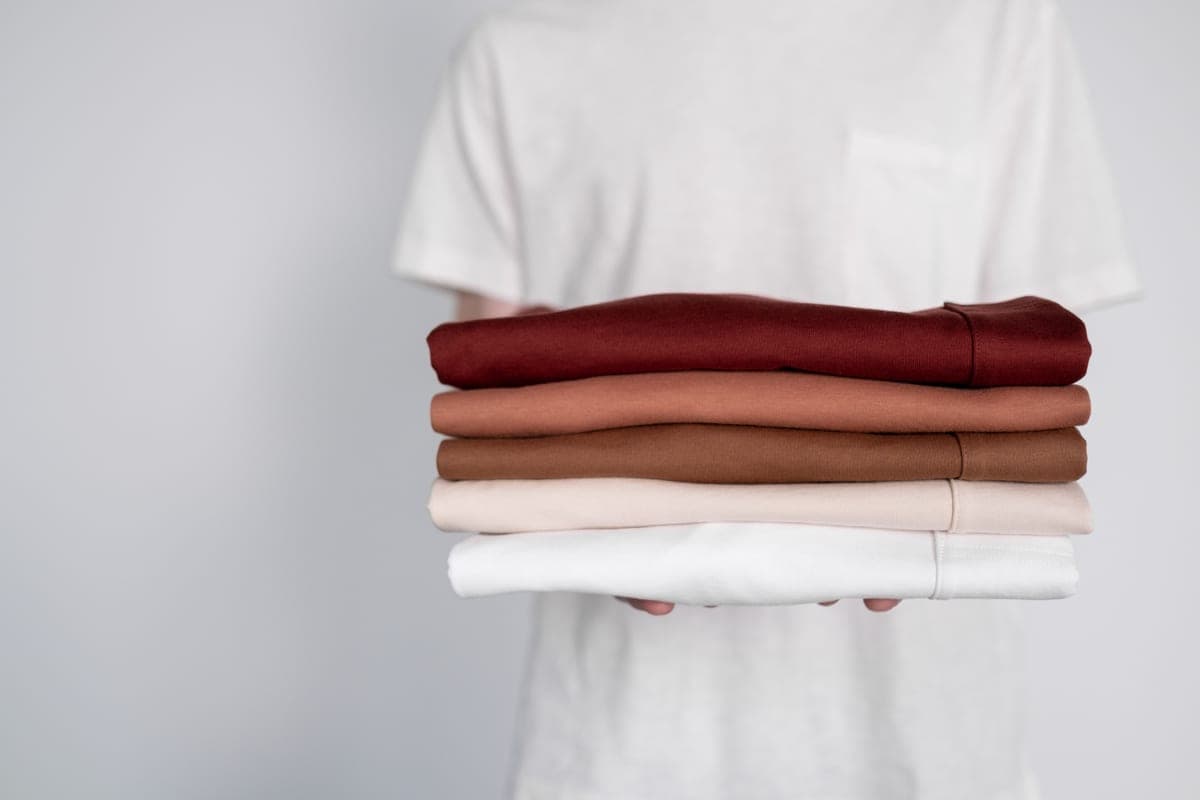
Cotton blend
CRZ YOGA Pima Cotton Workout Tank
Comfortable, stays fresher over several wears, and hopeless in a heated room. The cool-room choice.
Check price on Amazon#ad · Price set by Amazon · Affiliate disclosure for the link to CRZ YOGA Pima Cotton Workout Tank
 Stock photo
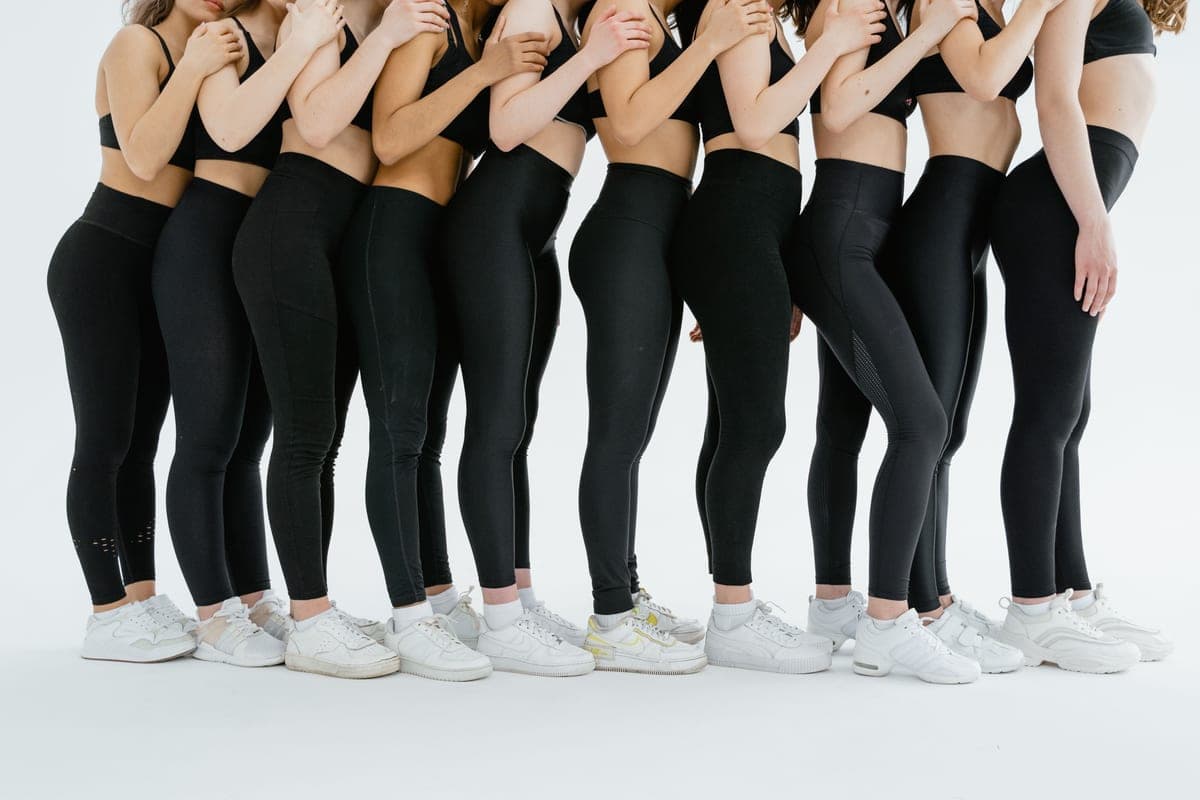
Technical synthetic
CRZ YOGA Naked Feeling Leggings
Wicks, dries fast, holds its shape. Picks up odor faster, and that is the trade.
Check price on Amazon#ad · Price set by Amazon · Affiliate disclosure for the link to CRZ YOGA Naked Feeling Leggings
The verdict
Cotton for a cool room and slow practice. Synthetic for anything heated or sweaty. Blends exist and are a reasonable middle, but the decision is really about how much moisture the garment will have to deal with.
Side by side
| Cotton and cotton blends | Technical synthetics | |
|---|---|---|
| Moisture | Absorbs and holds it | Wicks to the surface and dries |
| Feel when dry | Soft, breathable | Smooth, slightly synthetic |
| Feel when wet | Heavy and cold | Damp but light |
| Warmth | Cool when dry, chilling when wet | Consistent |
| Odor over several wears | Better | Worse, and it sets in |
| Stretch recovery | Bags out at knees and seat | Holds shape |
| Lifespan | Shorter for fitted garments | Longer if washed cool |
| Best room | Cool living room, gentle class | Heated, sweaty, or outdoors |
The odor question
This is the one place cotton clearly wins and the reason plenty of people keep a cotton top in rotation.
Synthetic fibers are hydrophobic, so the oils and bacteria that cause smell sit on the surface rather than being absorbed and washed away easily. The result is that a technical top can come out of the machine apparently clean and smell again within minutes of warming up. Cotton absorbs into the fiber and releases it in a normal wash.
If this is a problem for you, three things help: wash synthetics cool rather than hot, skip the fabric conditioner, which coats the fiber and traps the residue, and do not leave damp kit in a bag. None of it makes synthetic behave like cotton, and all of it helps.
In detail
Both, in full
Stock photoCotton blend
CRZ YOGA Pima Cotton Workout Tank
As the manufacturer lists it
What it gets right
- Cotton blend stays fresher than pure synthetics
- Long enough to stay tucked in a fold
- Cheap enough to own several
What it does not
- Cotton holds sweat in a hot room
- Relaxed cut can slide in inversions
- Slower to dry than a technical fabric
Skip it if
you practice hot — you want a technical fabric there.
#ad · Price set by Amazon · Affiliate disclosure for the link to CRZ YOGA Pima Cotton Workout Tank
Stock photoTechnical synthetic
CRZ YOGA Naked Feeling Leggings
As the manufacturer lists it
What it gets right
- Cool and quick-drying in a heated room
- Smooth surface does not collect lint
- Wide waistband stays put
What it does not
- Thinner fabric — squat-test them before you rely on them
- Shows sweat more visibly
- Less flattering compression than the Butterluxe
Skip it if
you want maximum coverage and compression — the Butterluxe is thicker.
#ad · Price set by Amazon · Affiliate disclosure for the link to CRZ YOGA Naked Feeling Leggings
Which for which room
| Practice | Wear | Why |
|---|---|---|
| Gentle or restorative yoga at home | Cotton blend | Comfort matters; you will barely sweat |
| Vinyasa in a normal room | Either; blends work well | Moderate sweat, moderate demands |
| Hot yoga | Synthetic, thin and smooth | Cotton soaks and stays heavy |
| Mat pilates | Either, but fitted | Loose fabric obscures your own alignment |
| Reformer pilates | Fitted synthetic | Loose fabric can catch in the carriage |
That last row is worth flagging: on a reformer, loose clothing near a moving carriage and its springs is a genuine practical hazard rather than a style note. Studios generally ask for fitted kit for that reason, along with grip socks.
For heated rooms specifically, what to wear to hot yoga goes further, and the ranked picks are in leggings for hot yoga.
Reading a composition label
The care label tells you more about how a garment will behave than any description on the listing, and it is four numbers long.
- Cotton, or cotton with a little elastane. Comfortable, breathable, stays fresh over several wears, and heavy once genuinely wet. A cool-room fabric.
- Polyester with 10-20% elastane. The workhorse of technical activewear. Wicks, dries fast, holds its shape, picks up odor. The higher the elastane, the more compressive and the shorter the life if you tumble dry it.
- Nylon, or polyamide, with elastane. Softer and more expensive than polyester, and the usual basis of the buttery brushed fabrics. Warmer than it looks, and it pills more readily.
- Modal, viscose or bamboo blends. Very soft, very breathable, and weak when wet. Lovely for a top in a cool room and the wrong choice for anything with a waistband holding it up in a hot one.
The rule of thumb that covers almost every case: if the first fiber listed is a natural one, treat it as cotton and keep it for cool rooms. If it is polyester or nylon, treat it as technical and it will be fine in heat. Elastane percentage tells you about compression and about how carefully you need to wash it, and nothing about breathability at all.
How we picked
Chosen on published criteria, and we say so
Most gear sites open by telling you how many hours they spent with the products. We have not used most of these, and we would rather say so than imply otherwise. Every pick here is chosen against criteria we publish — grip, cushioning, size options, what buyers report after a year of use, and whether the thing is still actually sold — and every manufacturer figure on the page is labeled as the maker's claim.
Nobody pays for a place on this page, no product was supplied free in exchange for coverage, and a specification the maker does not publish is never guessed at. See the full criteria and weighting.
FAQ
Questions people ask
Can I wear cotton to yoga?
Why do synthetic workout clothes smell?
What is the best fabric for hot yoga?
Related
Keep reading
Update log
What changed
- First published.
Receipts
Sources
- 1.OutdoorGearLab — The Best Yoga Pants
- 2.Manduka — hot yoga essentials
- 3.NBC Select — The best yoga props and apparel
- 4.That Fit Friend — CRZ YOGA Butterluxe legging review
We have not used every product on this page, and we do not pretend otherwise. Thicknesses, materials, sizes and warranty terms are the manufacturer's published figures, shown as their claims. Anything about materials, skin or injury is linked to a source. Prices are set by Amazon and change constantly, so we never print one. Read the full method.