Pilates at Home Guide
Is a Pilates Reformer Worth It?
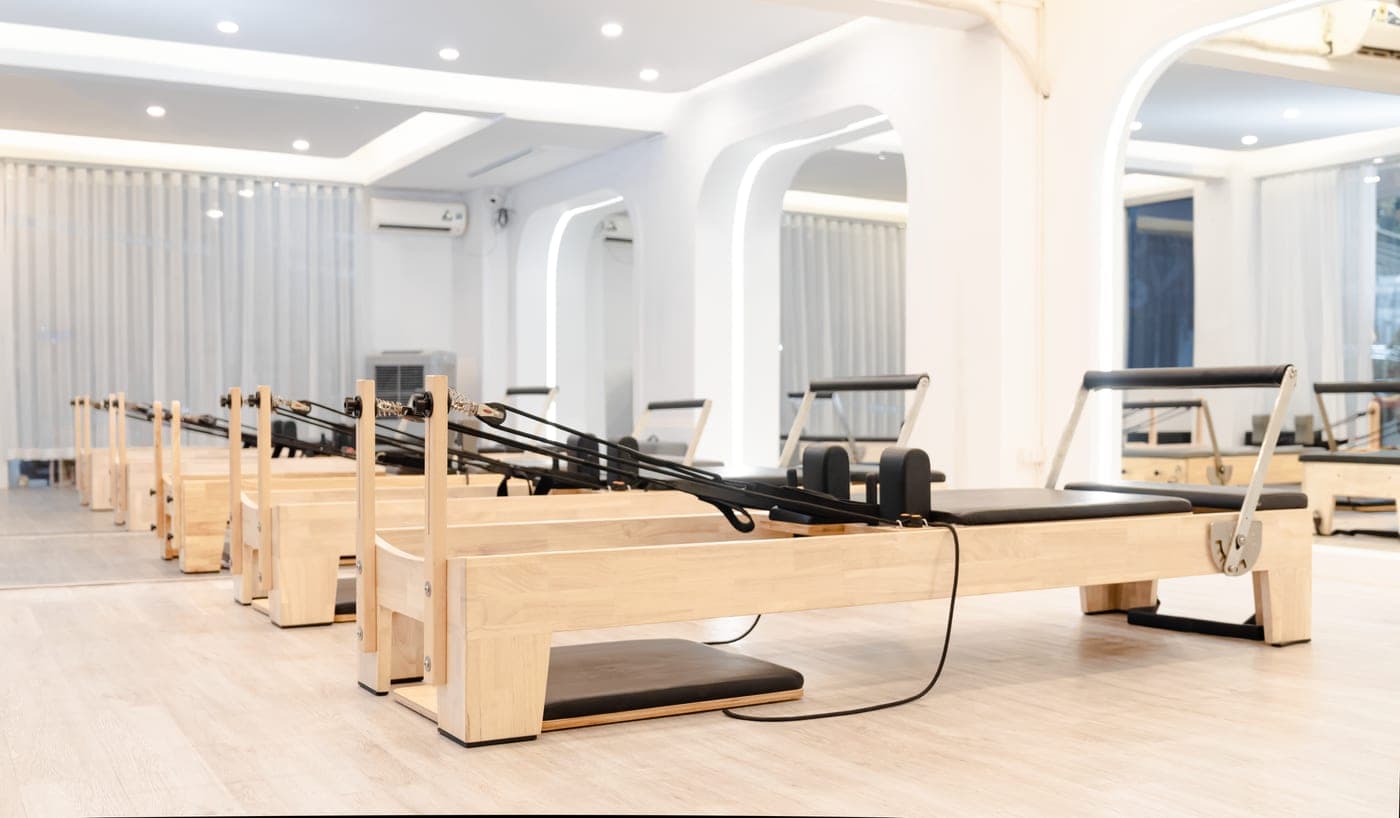
A home reformer is the largest purchase on this site, and the question is not whether it is a good machine. It is whether you are the person who will use it twice a week.
We earn a commission when you buy through links on this page, at no extra cost to you. It never decides a ranking: the method is published. How we are funded
The short answer
A home reformer is worth it if you already practice reformer pilates regularly, you have a permanent place to put the machine, and you would otherwise keep paying for studio classes. Under those three conditions the machine stops being a large purchase and becomes a substitution for a recurring one, and the arithmetic gets comfortable quite quickly.
It is not worth it as a way to begin. Buying a reformer before you know whether you like reformer work is the most expensive way to find out, and the most common regret in this category. Mat pilates, a few studio classes, or a reformer board will all answer the question for a small fraction of the money.
Four conditions that make it worth it
1. You already practice, not intend to. There is a hard line between someone who has been to twenty reformer classes and someone who watched twenty videos. The first knows they like the movement, knows the vocabulary, and will be able to work alone. The second is buying a hypothesis.
2. You have a permanent spot. Not a theoretical one. A reformer that has to be dragged out and put away gets used less, and folding machines are still large and heavy when folded. Measure the room before anything else — the space requirements are specific.
3. You are replacing studio classes rather than adding to them. This is where the money actually works. A machine substituting for a weekly class pays for itself over a predictable period; a machine sitting alongside the classes you still attend does not. The tiers and what separates them are in the cost guide.
4. You have a joint or injury reason to prefer springs to the floor. This is a real and underrated case. Supported, spring-assisted movement is kinder to some bodies than mat work, and if a clinician has pointed you at reformer pilates specifically, the value calculation is different from a fitness-preference one.
Three that make it a mistake
You are buying it to start a habit. Equipment does not create habits; it records them. If the goal is to begin, begin with a mat and a plan — the first month is mapped out in your first 30 days, and reformer versus mat pilates explains what you would actually be missing.
The room is too small and you are hoping a folding model fixes it. Folding reformers fold upward, not away. They still need the full length of the machine on the floor to use, and a tall, heavy object to store. A board is the honest answer in a small flat.
You want to lose weight and heard reformer pilates was good for it. Reformer work builds control, strength and mobility, and it is not primarily a conditioning tool. Buying a machine for an effect it is not built to produce is how machines end up unused.
Reformer, board or bar
| Full reformer | Reformer board | Pilates bar | |
|---|---|---|---|
| Sliding carriage | Yes | Yes | No |
| Resistance type | Springs | Springs or bands | Bands |
| Floor space in use | Roughly a double bed | Roughly a yoga mat | Mat and arm span |
| Stores away | No, or awkwardly | Yes, against a wall | Yes, in sections |
| Relative cost | Highest on this site | A small fraction | Lowest |
| Reproduces a studio class | Yes | Partly | Not really |
| Right for | Committed, regular practice | Testing the movement, small rooms | Adding resistance to mat work |
The middle column is the one most people should look at hardest. A board gets you a carriage, spring resistance and most of the footwork vocabulary for a tiny fraction of the outlay, and it tells you whether you want the real thing — boards are ranked here, and bar versus board separates it from the cheaper option.
The picks
The three ways in, cheapest last
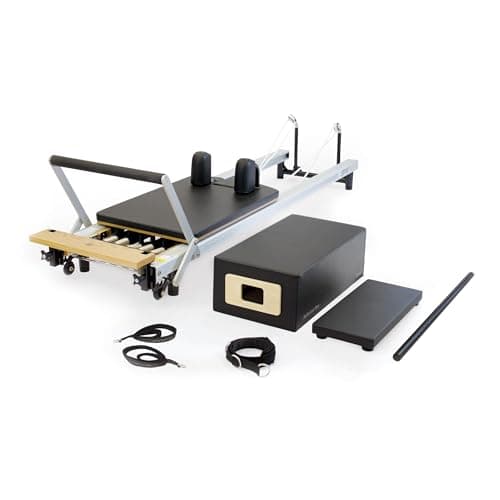
Real springs in a small room
Merrithew At Home SPX Reformer
A real spring reformer from the STOTT Pilates company in a frame that folds flat. It is the sensible answer for someone who wants studio mechanics and does not have a studio.
$3,349.00Amazon#ad · Price as of November 3, 2026 · Affiliate disclosure for the link to Merrithew At Home SPX Reformer
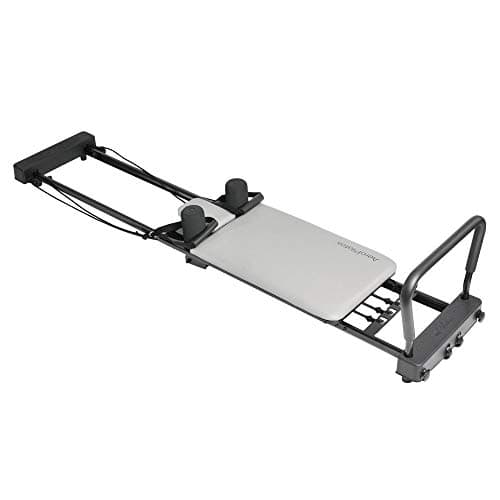
The cheapest real reformer
AeroPilates Reformer 287
The budget route into a reformer-shaped machine. Cords instead of springs, a built-in rebounder, and it folds. The resistance feels different from a studio reformer, and you should know that before you buy.
$349.99Amazon#ad · Price as of November 3, 2026 · Affiliate disclosure for the link to AeroPilates Reformer 287
- UPGONo image
Folding board storage
UPGO Foldable Pilates Reformer Board
A folding board with a bundled band set. The folding hinge is the reason to choose it over a rigid board, and it is also the part most likely to loosen.
Check price on Amazon#ad · Price as of November 3, 2026 · Affiliate disclosure for the link to UPGO Foldable Pilates Reformer Board
The test to run first
Before buying a machine, run this for eight weeks. It costs very little and it answers the question properly.
- Book six reformer classes at a studio. Not one. Six, spread over six weeks, so you find out whether you look forward to the fourth one.
- Practice mat pilates at home twice a week in the same period. This is the honest test of whether you train at home at all, which is a separate question from whether you like reformer work.
- Measure the space and tape it out on the floor. Leave the tape down for a week and see whether that footprint is genuinely available or whether you were planning to move a sofa permanently.
- Add up what the classes cost you over that period. That number, annualized, is what the machine is competing against.
If you get through all four and still want the machine, buy it — and buy the one that matches your room rather than the one with the best specification. The ranked options are in the home reformer roundup, with folding machines here if the space is shared.
If step two is where it fell apart, that is useful information and it is not a failure. Most people who train at home do it on a mat, and that is a complete practice rather than a consolation prize.
If the answer here is yes, the next page is how to choose one, which puts the seven decisions in the order that actually matters.
If the answer came out no, or not yet, two pages follow from that: whether you can practice properly without one — you can, and most of the method was built for the floor — and the alternatives worth buying instead.
How we picked
Chosen on published criteria, and we say so
Most gear sites open by telling you how many hours they spent with the products. We have not used most of these, and we would rather say so than imply otherwise. Every pick here is chosen against criteria we publish — grip, cushioning, size options, what buyers report after a year of use, and whether the thing is still actually sold — and every manufacturer figure on the page is labeled as the maker's claim.
Nobody pays for a place on this page, no product was supplied free in exchange for coverage, and a specification the maker does not publish is never guessed at. See the full criteria and weighting.
FAQ
Questions people ask
Is buying a pilates reformer for home worth it?
Is a reformer board worth it instead?
How much space does a home reformer need?
Can a beginner use a reformer at home alone?
Is a reformer better than mat pilates?
Related
Keep reading
Update log
What changed
- First published.
Receipts
Sources
- 1.NBC Select — The best Pilates reformers
- 2.Saran Pilates — Which reformer should I buy?
- 3.Pilates Collective Club — Best home Pilates reformer
- 4.Merrithew — Pilates equipment shop
- 5.Woman & Home — Two weeks with an at-home Pilates board
We have not used every product on this page, and we do not pretend otherwise. Thicknesses, materials, sizes and warranty terms are the manufacturer's published figures, shown as their claims. Anything about materials, skin or injury is linked to a source. Prices are set by Amazon and change constantly, so we never type one into the text — every figure comes from Amazon's own data, dated, and disappears rather than going stale. Read the full method.