Blocks, Straps & Props Guide
How to Use a Yoga Wheel
A wheel is two props in one: a rolling massage tool for the back and a curved platform for supported backbends. The two are used very differently.
We earn a commission when you buy through links on this page, at no extra cost to you. It never decides a ranking: the method is published. How we are funded
The short answer
Lie back over the wheel with it under your mid-back, feet planted, and let your chest open — that is the use nine out of ten people bought it for, and it takes about ninety seconds to feel. Roll it slowly up and down the spine from there and you have the second use, which is massage rather than yoga.
The thing to understand before anything else is that a wheel is not one prop. A narrow padded wheel is a back-rolling tool that happens to be round. A wide standard-diameter wheel is a support for backbends and balance work. They look similar and they are bought for different reasons, which is why the question of whether a wheel is worth it depends entirely on which one you meant.
Getting on and off
This is where almost every bad first experience happens, so it goes before the uses.
Sit in front of the wheel, not on it, with the wheel touching your lower back. Feet flat, knees bent, hands supporting your head with fingers interlaced behind the skull.
Lean back slowly, letting the wheel travel up your spine as your weight transfers onto it. Keep your head cradled in your hands the whole way. The hands are not optional — they are what stops your neck taking the hinge.
Stop when your shoulder blades are on the wheel. Let your head hang only if that feels comfortable, and keep supporting it if it does not.
To come off, press through your feet, tuck your chin, and roll yourself forward using your legs. Do not sit up by lifting your head first. If getting off is a struggle, the wheel is too large for you and a smaller diameter is the fix.
Six ways to use it
1. Supported chest opener. The position described above, held still. The wheel does the work of a backbend without your back muscles having to hold the shape. This is the main event, and it is also the thing a bolster does more gently if a wheel feels like too much — the bolster comparison is here.
2. Rolling the thoracic spine. From the same position, push gently through the feet to roll the wheel a few inches up and down. Stay between the shoulder blades and the bottom of the ribs. This is massage, and it is what the narrow padded wheels are built for.
3. Hamstring and calf stretch. Seated, one heel on top of the wheel, roll it away from you. The wheel lets the leg straighten gradually instead of in a step.
4. Supported bridge and shoulder opener. Wheel under the shoulder blades, hips lifted. More demanding than the chest opener and the point at which the wheel's weight rating starts to matter.
5. Core and plank work. Feet or shins on the wheel in a plank, rolling in and out. The wheel becomes an unstable surface, which is a strength use rather than a mobility one.
6. Balance and inversion practice. Hands on the wheel in a forearm or handstand prep, or feet on the wheel in a pike. Advanced, and the one use where a cheap wheel with a thin shell is a genuine risk.
What a wheel does not do: cushion your knees, substitute for a block, or fix a slipping mat. It is a mobility and massage tool that lives alongside the basics rather than replacing any of them.
Which use needs which wheel
| Use | Diameter | Padding | Width |
|---|---|---|---|
| Rolling the spine | Small to medium | Thick, contoured | Narrow |
| Supported chest opener | Standard (about 12 in) | Moderate | Standard |
| Hamstring stretch | Any | Any | Any |
| Supported bridge | Standard | Moderate | Standard or wide |
| Plank and core work | Standard | Firm | Wide, for stability |
| Balance and inversions | Standard | Firm | Wide, and check the load rating |
A contoured padded wheel with a channel down the middle is designed to let the spine sit between two raised edges. It is excellent for rolling and poor for anything you stand or balance on, because the channel is not a flat surface. Buying the wrong one of those two is the most common mistake in this category.
The picks
The wheel for each of the two jobs
Rolling out a stiff back
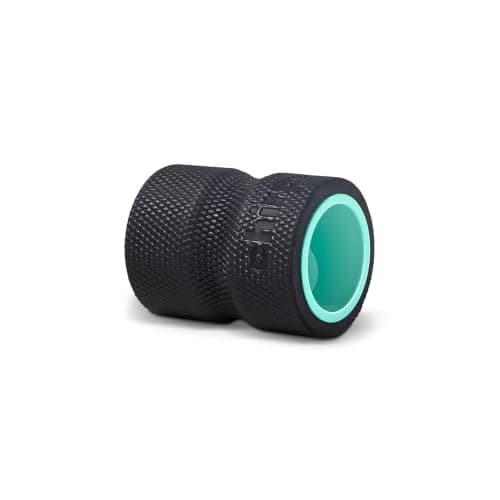
Chirp Wheel
A wheel with a groove down the middle so your spine drops into it instead of being pressed on. Sold in three diameters, and the diameter changes the experience completely.
$29.99Amazon#ad · Price as of November 3, 2026 · Affiliate disclosure for the link to Chirp Wheel
- UpCircleSevenNo image
Supported backbends
UpCircleSeven Yoga Wheel
A conventional padded yoga wheel at a sane price. Wide enough to lie back over with some confidence, and the padding is thick enough that it does not dig in.
Check price on Amazon#ad · Price as of November 3, 2026 · Affiliate disclosure for the link to UpCircleSeven Yoga Wheel
- GaiamNo image
Trying a wheel cheaply
Gaiam Yoga Wheel
A plain padded wheel from a brand that is easy to buy and easy to return. Nothing clever, which is the right specification for a prop you are not sure you will use.
Check price on Amazon#ad · Price as of November 3, 2026 · Affiliate disclosure for the link to Gaiam Yoga Wheel
Where people go wrong
- Letting the neck hinge. Support your head with your hands on the way back and on the way up. Almost every sore neck after a first session comes from skipping this.
- Rolling over the lower back. Keep the wheel between the shoulder blades and the bottom of the ribs. The lumbar spine does not want to be rolled over a hard cylinder.
- Going for the deepest shape immediately. Ninety seconds of a mild chest opener does more than thirty seconds of a dramatic one. Depth is not the variable that matters here.
- Ignoring the weight rating. Standing, balancing or planking on a wheel loads it in a way lying back does not. Check the published rating before any of the uses from number four onward.
- Using it on a slippery floor. The wheel needs to be able to roll in a controlled way. Put it on your mat, not on tile — and if the mat itself slides, that is a separate problem.
If a wheel sounds like more than you want, the honest alternative is a bolster for the opening and a foam roller for the massage. The wheels themselves are ranked in the wheel roundup.
How we picked
Chosen on published criteria, and we say so
Most gear sites open by telling you how many hours they spent with the products. We have not used most of these, and we would rather say so than imply otherwise. Every pick here is chosen against criteria we publish — grip, cushioning, size options, what buyers report after a year of use, and whether the thing is still actually sold — and every manufacturer figure on the page is labeled as the maker's claim.
Nobody pays for a place on this page, no product was supplied free in exchange for coverage, and a specification the maker does not publish is never guessed at. See the full criteria and weighting.
FAQ
Questions people ask
How do you use a yoga wheel for beginners?
Where should the yoga wheel sit on your back?
How long should you lie on a yoga wheel?
Can a yoga wheel help back pain?
What size yoga wheel should I buy?
Related
Keep reading
Update log
What changed
- First published.
Receipts
Sources
- 1.NCCIH (US National Institutes of Health) — Yoga: What You Need To Know
- 2.OutdoorGearLab — The Best Yoga Blocks
- 3.NBC Select — The best yoga props and apparel
- 4.Gaiam — product information
- 5.Yoga Journal — The Best Yoga Blocks
We have not used every product on this page, and we do not pretend otherwise. Thicknesses, materials, sizes and warranty terms are the manufacturer's published figures, shown as their claims. Anything about materials, skin or injury is linked to a source. Prices are set by Amazon and change constantly, so we never type one into the text — every figure comes from Amazon's own data, dated, and disappears rather than going stale. Read the full method.