Blocks, Straps & Props Guide
What Size Yoga Wheel Do I Need?
The counter-intuitive part of wheel sizing is that smaller is harder, not gentler. A narrow wheel concentrates pressure into a smaller patch of you.

We earn a commission when you buy through links on this page, at no extra cost to you. It never decides a ranking: the method is published. How we are funded
The short answer
Buy a 12 inch wheel. It is the standard diameter, the most widely sold, and the size published buying guides point most adults toward: BestReviews puts the 12 inch wheel at people roughly between five foot four and five foot ten with average flexibility, and describes it as the most popular and widely available option. Brett Larkin's guide puts the 12 to 13 inch band as the best size for beginners because it gives the most support in a backbend.
Go to 10 inches if you are shorter — BestReviews suggests that band for practitioners around five foot three and under, and for people who are not especially flexible. Go to 6 inches only if what you want is targeted pressure on a small area rather than a backbend prop; Larkin describes the 6 inch wheel as the one that gives the deepest stretch and opening, and the KTLA guide calls that size a mini wheel for gentle exercises or for children.
Diameter by height and use
| Diameter | Who it suits | What it is for |
|---|---|---|
| 6 in (mini) | Targeted work; described as suitable for gentle exercise or children | Deepest, most concentrated pressure on a small area |
| 10 in | Around five foot three and under, or limited flexibility | A gentler arch than the standard, and a firmer massage |
| 12 in | Roughly five foot four to five foot ten, average flexibility | The default: supported backbends, chest opening, balance work |
| 15 in | Six feet and above, or very flexible | A wider arch with more room to lie back over |
The height bands above are the ones published in the BestReviews yoga wheel guide; the 12 to 13 inch and 6 inch descriptions are from Brett Larkin's explainer. Both are cited in full at the bottom of this page. Treat them as starting points rather than rules — a tall person with a stiff upper back may well be happier on a 12 inch wheel than a 15.
Why smaller is harder
This is the part that catches people out, and it is simple geometry. The smaller the diameter, the smaller the patch of wheel in contact with your back at any moment, so the same body weight is concentrated into less area. That is more pressure, not less. It is why the smallest wheel in a three-size set is routinely described as the most intense one, and why buying "the small one because I am a beginner" is backwards.
Diameter also sets the depth of the arch. A 12 inch wheel lifts your mid-back about six inches off the floor when you lie back over it; a 6 inch wheel lifts it three. For a supported backbend the bigger arch is the point, and the larger wheel is also far easier to roll along because there is more of it under you.
The second variable worth understanding is whether the wheel has a channel down the center. A flat-topped wheel presses on the spine itself. A contoured wheel has a groove so the vertebrae drop into it and the pressure lands on the muscle either side, which most people find is the difference between useful and unpleasant. That design difference matters more than an inch of diameter, and it is the main axis of the wheels roundup.
Width, padding and load
Three specifications nobody checks and all three change how a wheel feels more than people expect.
Width. A wider wheel is more stable under your back and less likely to tip when you are lying on it with your feet off the floor. Massage-focused wheels are deliberately narrow because narrow concentrates pressure; pose-focused wheels are wider. If the wheel is going to hold your body weight in a supported backbend, wider is the safer buy.
Padding. Enough that the surface is comfortable against bare skin, not so much that the wheel deforms under you. Thin padding over a rigid core is right. A squashy wheel is as unhelpful as a squashy block.
Weight limit. Published figures are high — Larkin's guide notes the UpCircleSeven wheel supports up to 550 pounds and another model up to 500 — but they are worth checking rather than assuming, because a wheel takes your whole weight through a small contact area. A wheel with no published limit is a wheel to be skeptical of.
And one honest caveat. A wheel is a comfort and mobility prop, not a treatment. If your back hurts rather than feeling stiff, a grooved roller is the kinder of the two options and a clinician is the better first call — the same position this site takes in are yoga wheels worth it.
The picks
One wheel per answer
- UpCircleSevenNo image
Supported backbends
UpCircleSeven Yoga Wheel
A conventional padded yoga wheel at a sane price. Wide enough to lie back over with some confidence, and the padding is thick enough that it does not dig in.
Check price on Amazon#ad · Price as of November 3, 2026 · Affiliate disclosure for the link to UpCircleSeven Yoga Wheel
- GaiamNo image
Trying a wheel cheaply
Gaiam Yoga Wheel
A plain padded wheel from a brand that is easy to buy and easy to return. Nothing clever, which is the right specification for a prop you are not sure you will use.
Check price on Amazon#ad · Price as of November 3, 2026 · Affiliate disclosure for the link to Gaiam Yoga Wheel
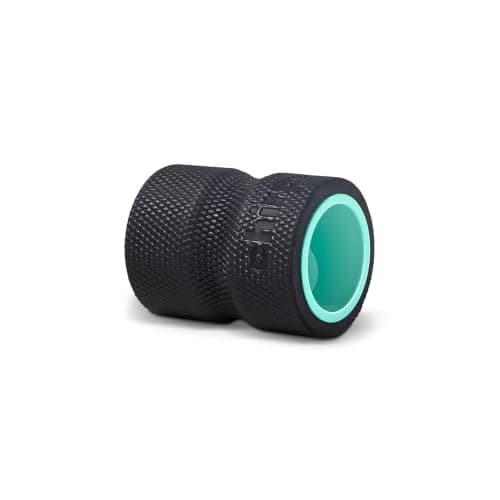
Rolling out a stiff back
Chirp Wheel
A wheel with a groove down the middle so your spine drops into it instead of being pressed on. Sold in three diameters, and the diameter changes the experience completely.
$29.99Amazon#ad · Price as of November 3, 2026 · Affiliate disclosure for the link to Chirp Wheel
Sizing mistakes
- Buying small because you are a beginner. Backwards. The small wheel is the intense one. A beginner wants the bigger, better-supported arch.
- Buying a three-size set first. You will use one of the three. Buy that one, and add another only if you find you want it.
- Ignoring the center groove. On a flat wheel the pressure lands on your spine. If rolling your back is the reason you are buying, the groove matters more than the diameter.
- Buying narrow for poses. A narrow wheel is a massage tool. Lying back over it with your feet off the floor is less stable than it should be.
- Assuming it replaces a bolster. It does not. A wheel is rigid and round; a bolster is firm and stays put — that is a different prop for a different job.
If you are weighing a wheel against a plain cylinder for back work, the block against the roller lays out which tool suits which complaint. And when you have the wheel, the two things it is actually good at are in how to use a yoga wheel.
How we picked
Chosen on published criteria, and we say so
Most gear sites open by telling you how many hours they spent with the products. We have not used most of these, and we would rather say so than imply otherwise. Every pick here is chosen against criteria we publish — grip, cushioning, size options, what buyers report after a year of use, and whether the thing is still actually sold — and every manufacturer figure on the page is labeled as the maker's claim.
Nobody pays for a place on this page, no product was supplied free in exchange for coverage, and a specification the maker does not publish is never guessed at. See the full criteria and weighting.
FAQ
Questions people ask
What size yoga wheel should a beginner buy?
Is a smaller yoga wheel easier?
What size yoga wheel for a tall person?
What is a 6 inch yoga wheel for?
Does yoga wheel width matter?
Related
Keep reading
Update log
What changed
- First published.
Receipts
Sources
- 1.Brett Larkin Yoga — What is a yoga wheel? (diameters and what each one is for)
- 2.BestReviews (via KTLA) — Best Yoga Wheels: diameter by height
- 3.NBC Select — The best yoga props and apparel
- 4.Gaiam — product information
- 5.NCCIH (US National Institutes of Health) — Yoga: What You Need To Know
We have not used every product on this page, and we do not pretend otherwise. Thicknesses, materials, sizes and warranty terms are the manufacturer's published figures, shown as their claims. Anything about materials, skin or injury is linked to a source. Prices are set by Amazon and change constantly, so we never type one into the text — every figure comes from Amazon's own data, dated, and disappears rather than going stale. Read the full method.