Yoga Mats Best picks
The Best Closed-Cell Yoga Mats
A closed-cell surface will not drink your sweat, which makes it the hygienic choice and the slippery one. Both facts come from the same property.
We earn a commission when you buy through links on this page, at no extra cost to you. It never decides a ranking: the method is published. How we are funded
Quick picks
The short answer
1 · Best overall
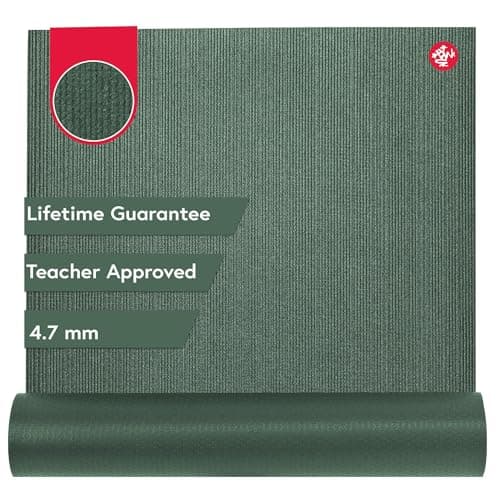
Manduka PROlite 4.7mmThe closed-cell surface in its most usable form: thin enough to stand on, light enough to carry, and it will outlast several foam mats.
Maker lists thickness: 4.7 mm
2 · Best for a home studio
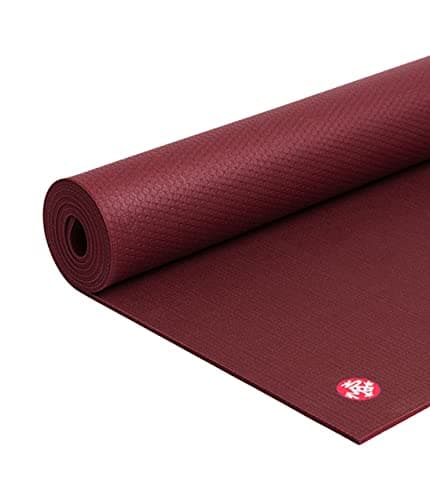
Manduka PRO 6mmThe same sealed surface with 6 mm under it. Heavy enough that it never travels, dense enough that it never bottoms out.
Maker lists thickness: 6 mm
3 · Best for mixed training
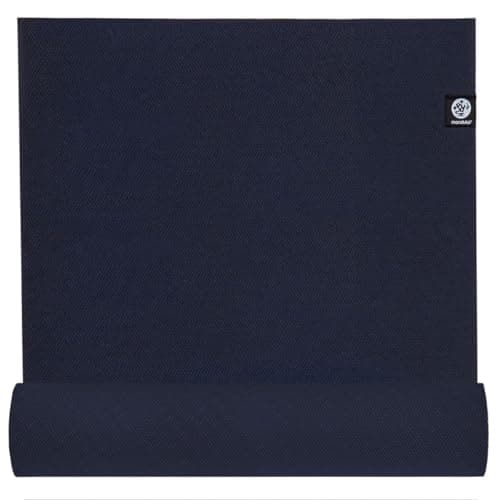
Manduka X Mat 5mmA sealed surface built for a gym floor as much as a studio. If your mat sees weights and cardio as well as yoga, this is the one.
Maker lists thickness: 5 mm
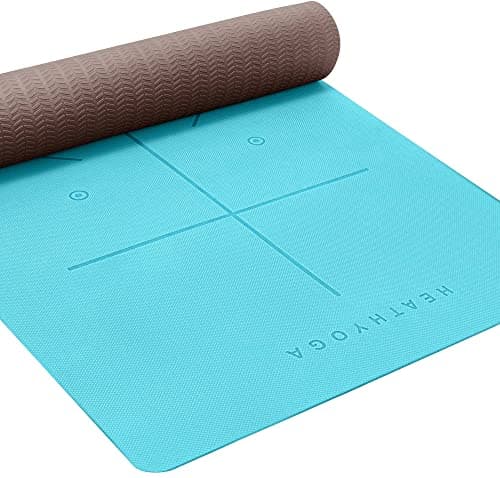
4 · Best alignment option
Heathyoga Eco Friendly TPE MatA closed-cell TPE surface with alignment lines printed on it, which no premium closed-cell mat offers at any price.
Maker lists thickness: 6 mm
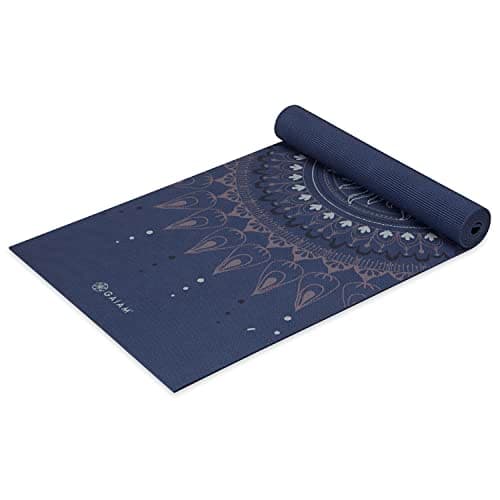
5 · A first mat
Gaiam Premium 6mm Yoga MatThe default first mat. Enough cushion for a beginner, a printed design you will not hate, and a price that makes quitting after a month painless.
Maker lists thickness: 6 mm
#ad · Prices come live from Amazon, last checked November 28, 2026. Figures here are the manufacturer's own. The ranking is editorial, made against the criteria on our How We Pick page, not from lab work. Photos come from Amazon. Tap a pick for the full write-up.
The short answer
Buy the Manduka PROlite. It is the closed-cell surface in the shape most people actually want: thin enough that standing poses feel stable, light enough to carry, and sealed thoroughly enough that it will not take on moisture or odor over years of use. If you want the same surface with more cushion and never intend to move it, the Manduka PRO is the same decision with 6 mm under it. The Gaiam Premium is the budget pick: the cheapest sealed mat here that does the job honestly.
One warning before the detail. A closed-cell mat is the slippery choice when your hands are wet. That is not a defect, it is the same property that makes it hygienic. If you practice hot, stop here and read mats for hot yoga instead.
What closed-cell actually means
The phrase describes the structure of the mat’s surface, not what it is made of. In a closed-cell material the gas pockets are sealed off from each other and from the outside, so liquid cannot travel into the mat. In an open-cell material the pockets interconnect and the surface behaves a little like a sponge, drawing moisture down into itself.
That single structural difference drives almost everything you notice about a mat day to day: how it grips wet, how it smells after a year, how you clean it, and how long it lasts. The full side-by-side is in open-cell versus closed-cell; this page ranks the closed-cell side of it.
Why it matters more than material
Shoppers tend to sort mats by material — PVC, rubber, TPE, cork — and then wonder why two mats of the same material behave differently. Cell structure explains more of it. Three consequences are worth spelling out.
- Hygiene. Nothing soaks in, so there is nothing inside the mat to go stale. You wipe the surface and the mat is clean. An open-cell mat holds what it absorbs, which is the usual answer to why a mat starts to smell.
- Lifespan. Moisture is what breaks a mat down from the inside. Keep it out and the only wear left is abrasion on the top layer, which is why dense closed-cell mats carry the longest guarantees in the category.
- Cleaning is simpler and safer. No deep soaking, no long drying, no worry about trapping water inside. A damp cloth and a surface spray is the whole routine.
The grip problem, and two fixes
Because sweat cannot go into the mat, it sits on top of it as a film. A film of water between your palm and a smooth surface is a lubricant. This is the single complaint every closed-cell mat collects, and it is real.
There are two honest fixes. The first is a towel: a grippy mat towel sits over the surface, absorbs the sweat and gives your hands something textured to hold. That is the standard studio answer and the towel roundup covers it. The second is time. A new dense PVC mat has a factory-smooth surface that genuinely grips better after a few weeks of use, which is what breaking in a mat is about. Neither fix turns a closed-cell mat into a hot yoga mat, and nobody should promise you otherwise.
Who should buy open-cell instead
Three readers are better served elsewhere, and it is worth saying so before you spend anything.
- Hot yoga and heated Pilates. You want a surface that gets grippier as it gets wet, which is an open-cell or polyurethane top. Sealed surfaces lose this contest badly.
- Naturally sweaty hands in any class. Same reasoning at lower intensity. Mats for sweaty hands is the page for that.
- Anyone who will not use a towel. Do not buy a mat that needs one on your sweatiest day if you know you will leave it at home.
What to look for
- Density, then thickness. Dense closed-cell at 4.7 mm outperforms soft foam at 8 mm for both durability and the way it feels under a knee.
- A surface texture, not a polish. Some sealed mats are embossed or dot-textured. That texture is doing real work on a dry hand.
- Weight, honestly assessed. The densest closed-cell mats are heavy. If you carry your mat anywhere, check the number before you commit.
- A guarantee you can read. The long warranties in this category exist because the makers know moisture is what kills mats, and theirs keeps it out.
In detail
Every pick, in full
1
Best overall
Manduka PROlite 4.7mm
As the manufacturer lists it · Manduka
What it gets right
- Noticeably easier to carry than the PRO
- Same closed-cell surface and the same long life
- Stable in standing balances because it does not sink
What it does not
- Less cushion than the PRO — kneeling is firmer
- Same break-in period before it grips
- Still costs like a long-term mat, not a first mat
Skip it if
your knees are the reason you are buying a mat — go up to the 6 mm PRO instead.
#ad · Price as of November 28, 2026 · Affiliate disclosure for the link to Manduka PROlite 4.7mm
2
Best for a home studio
Manduka PRO 6mm
As the manufacturer lists it · Manduka
What it gets right
- Dense enough that kneeling and forearm work stop hurting
- Closed cell, so sweat sits on top instead of soaking in
- Genuinely lasts — the lifetime guarantee is the maker's own
- An 85 in version exists if you are tall
What it does not
- Heavy. This is not a mat you carry far
- Slippery out of the box until the surface is broken in
- Closed-cell grip drops away once your hands are wet
Skip it if
you want grip on day one, practice hot, or need to carry the mat anywhere.
#ad · Price as of November 28, 2026 · Affiliate disclosure for the link to Manduka PRO 6mm
3
Best for mixed training
Manduka X Mat 5mm
As the manufacturer lists it · Manduka
What it gets right
- Stable under rolling and shifting weight, not just static poses
- Wipes clean quickly
- Textured both sides so it does not slide on the floor
What it does not
- Less cushion than a dedicated pilates mat
- No alignment markings
- Firm surface takes getting used to after a foam mat
Skip it if
your practice is almost entirely seated or kneeling — you will want more padding.
#ad · Price as of November 28, 2026 · Affiliate disclosure for the link to Manduka X Mat 5mm
4
Best alignment option
Heathyoga Eco Friendly TPE Mat
As the manufacturer lists it
What it gets right
- Body-alignment lines help you square up without a teacher
- 26 in wide, which is roomier than a standard mat
- TPE has almost no smell compared with rubber
What it does not
- Grip is average and drops off when damp
- TPE is softer and marks more easily than rubber
- Printed lines fade with heavy use
Skip it if
grip is your main problem — lines will not stop you sliding.
#ad · Price as of November 28, 2026 · Affiliate disclosure for the link to Heathyoga Eco Friendly TPE Mat
5
A first mat
Gaiam Premium 6mm Yoga Mat
As the manufacturer lists it · Gaiam
What it gets right
- Cushioned enough that floor work is comfortable on day one
- Light and easy to roll
- Cheap enough to be a low-risk first purchase
What it does not
- Grip fades as you sweat
- 68 in is short if you are tall
- Will not last the years a Manduka or Jade will
Skip it if
you already know you sweat heavily, or you are over about 5 ft 10 in.
#ad · Price as of November 28, 2026 · Affiliate disclosure for the link to Gaiam Premium 6mm Yoga Mat
If this list reads as four Manduka mats and a Gaiam, that is because the sealed-surface end of the market really is that concentrated. The straight model-to-model questions are answered in PRO versus PROlite, and if you want the surface without the brand, the Manduka alternatives page lists what else gets close.
Still deciding between surfaces rather than models? Materials explained sets cell structure next to PVC, rubber, TPE and cork so you can see which combination you are actually buying.
How we picked
Chosen on published criteria, and we say so
Most gear sites open by telling you how many hours they spent with the products. We have not used most of these, and we would rather say so than imply otherwise. Every pick here is chosen against criteria we publish — grip, cushioning, size options, what buyers report after a year of use, and whether the thing is still actually sold — and every manufacturer figure on the page is labeled as the maker's claim.
Nobody pays for a place on this page, no product was supplied free in exchange for coverage, and a specification the maker does not publish is never guessed at. See the full criteria and weighting.
FAQ
Questions people ask
What does closed-cell mean on a yoga mat?
Is closed-cell or open-cell better?
Are closed-cell mats slippery?
How do I clean a closed-cell yoga mat?
Is a PVC mat always closed-cell?
Related
Keep reading
Update log
What changed
- First published.
Receipts
Sources
- 1.Manduka — product information
- 2.OutdoorGearLab — The Best Yoga Mats
- 3.Treeline Review — Best Yoga Mats
- 4.Yoga Journal — Best Yoga Mats
- 5.Gaiam — product information
We have not used every product on this page, and we do not pretend otherwise. Thicknesses, materials, sizes and warranty terms are the manufacturer's published figures, shown as their claims. Anything about materials, skin or injury is linked to a source. Prices are set by Amazon and change constantly, so we never type one into the text — every figure comes from Amazon's own data, dated, and disappears rather than going stale. Read the full method.