Blocks, Straps & Props Best picks
The Best Yoga Blankets
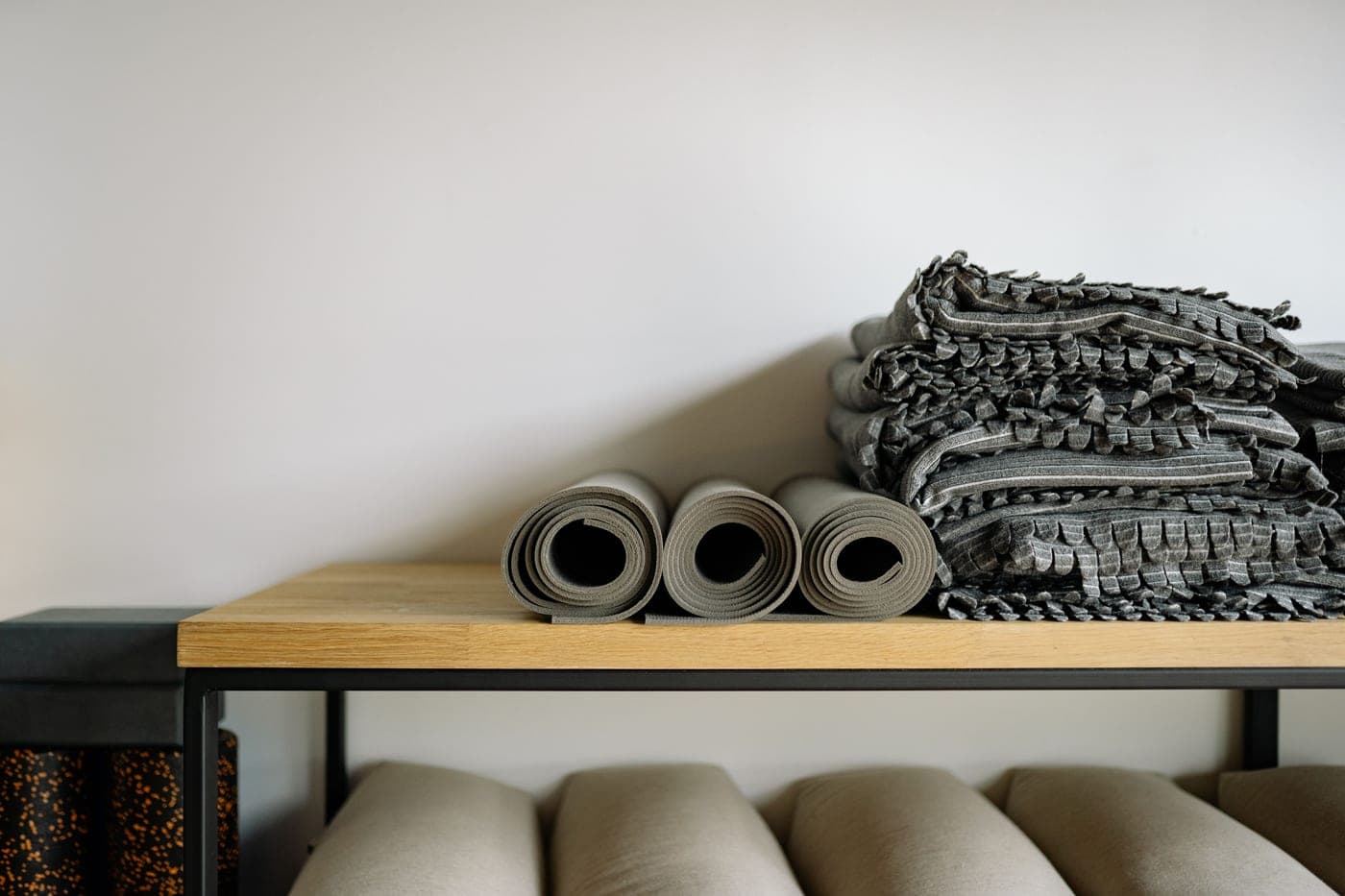
The most useful prop in a studio is a rectangle of woven cotton. It is a block, a bolster, a cushion and a layer of warmth, and almost nobody buys one for home.
We earn a commission when you buy through links on this page, at no extra cost to you. It never decides a ranking: the method is published. How we are funded
Quick picks
The short answer
1 · Best for folding
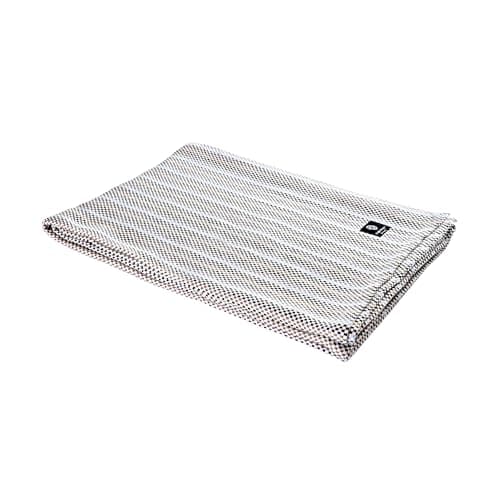
Hugger Mugger Cotton Yoga BlanketThe studio standard: tight-woven cotton at a published weight, which is what lets a four-fold stack stay a brick instead of spreading out under your shoulders.
Maker lists size: 90 x 60 in
2 · Best first blanket
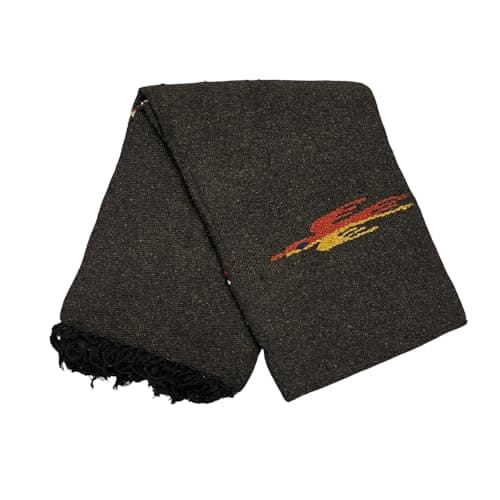
Open Road Goods Thunderbird Yoga BlanketThe handwoven Mexican blanket most studios already own. Heavier than a throw, cheaper than the studio cotton, and it survives being dragged across a floor.
Maker lists weave: Handwoven in Mexico
3 · Best for warmth
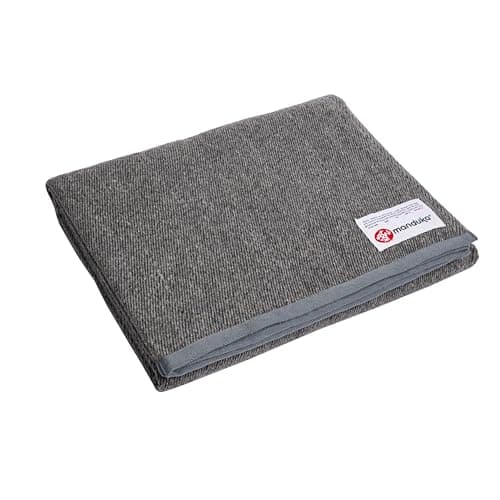
Manduka Recycled Wool BlanketMostly recycled wool, densely woven, edges overlocked. The one to buy if what you want from a blanket is to not get cold lying still for twenty minutes.
Maker lists size: 82 x 60 in
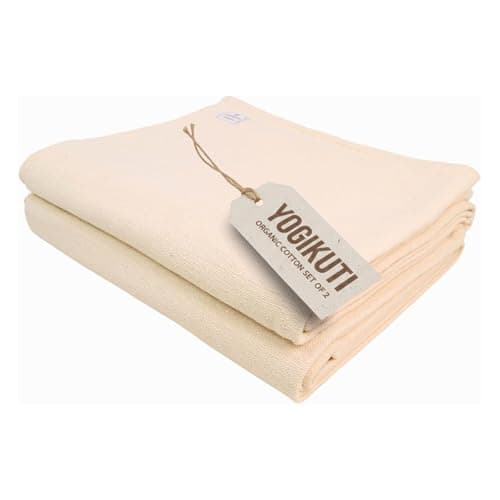
4 · Best for a supported setup
Yogikuti Iyengar Cotton Yoga Blankets, Set of TwoTwo handwoven cotton blankets in one order, which is the quantity restorative practice asks for — one folded under you, one over you.
Maker lists quantity: Two blankets
#ad · Prices come live from Amazon, last checked November 3, 2026. Figures here are the manufacturer's own. The ranking is editorial, made against the criteria on our How We Pick page, not from lab work. Photos come from Amazon. Tap a pick for the full write-up.
The short answer
Buy one heavy, tightly woven cotton blanket, around 60 by 80 inches. That is the prop. The test that separates a yoga blanket from every other blanket in your house is simple: fold it into quarters, sit on the stack, and see whether it stays a firm block or squashes out sideways. A prop blanket holds the fold. A throw does not, which is why the soft fleece thing on your sofa is useless for this and why the scratchy cotton one in a studio cupboard is not.
It is worth knowing how much this one object replaces. Folded into a long thin strip it is a bolster under the knees. Folded into a brick it is a block under the hips for seated work. Rolled it is a support under the neck. Spread flat it is a layer of warmth for the ten minutes at the end of a practice when your body temperature drops. Nothing else in this category is six props at once, and it is the cheapest of them.
What actually decides it
Four properties matter, and the first two are the ones that decide whether you have bought a prop:
- Weave density. A tight weave holds its shape folded; a loose one spreads. This is the whole difference, and it is also the hardest thing to judge from a photograph, which is why a published weight is a useful proxy.
- Weight. Around 3.5 pounds for a full-size blanket is the studio range. Lighter than about two pounds and you are looking at a throw whatever it is called.
- Size. You want roughly 60 inches wide by 80 or so long. Wide enough to cover you lying down, long enough to fold into a usable stack. A 50 by 60 inch blanket folds into something too small to sit on.
- Fiber. Cotton folds crisply and washes. Wool is warmer, more compliant, and usually cannot go in a machine. Covered properly in the next section but it is the last decision, not the first.
What does not matter: the pattern, the fringe and whether it is reversible. A fringe is mildly annoying because it gets underfoot and nothing more.
The six things it does
| Fold | What it becomes | Used for |
|---|---|---|
| Flat | A layer of warmth | Savasana and long restorative holds |
| Quarters, then quarters again | A firm block | Raising the hips in seated poses |
| Long thirds | A low bolster | Under the knees lying down |
| Rolled tight | A neck roll | Supporting the cervical curve |
| Folded in half, laid under the shoulders | A shoulder platform | Shoulderstand and supported bridge |
| Spread over a hard floor | A practice surface | Kneeling and floor work off the mat |
The fifth row is the one that justifies buying a proper one. In shoulderstand the blanket stack lifts the shoulders so the neck is not bearing the load, and for that it has to be a firm, level, non-spreading platform. A soft blanket under the shoulders is worse than nothing because it compresses unevenly. If you never go upside down, that row does not apply to you and a softer blanket is fine.
The second row overlaps with something you may already own. A folded blanket under the hips does the same job as a block on its side, and the same job as a meditation cushion. If sitting is mostly what you want help with, a cushion holds its shape better; if you want one object that does several things, the blanket wins.
Cotton or wool
Cotton is the default and the studio choice. It folds with crisp edges, it holds a stack, it goes in a washing machine, and it does not make anyone itch. It creases, and a creased blanket folds slightly less evenly, which is a real but minor complaint. Handwoven Mexican cotton blankets are the inexpensive end of this and the reason half the studios in the country have a pile of them.
Wool is warmer per ounce and more compliant in a fold — it drapes where cotton stands up. The two costs are cleaning and skin: most wool prop blankets ask for dry cleaning or a cold hand wash, and some people cannot have wool against bare arms. Buy wool if your practice space is cold and your restorative holds are long. Buy cotton for everything else.
A note on what you are actually paying for at the top of the range. The studio cotton blanket costs several times what a handwoven Mexican blanket costs, and what the money buys is a published weight, a published fiber content, a consistent size between pieces, and a machine-washable finish. Those are real things. They are not worth it for your first blanket and they are worth it for the one you fold under your shoulders.
How many do you need
One, if you are using it as a general prop and a layer of warmth. Two, if you do restorative practice, because a supported setup usually wants one folded under your body and one over the top of you — and a blanket cannot be both at once. Three or more is a studio stocking a room, not a person practicing at home.
The honest answer for most readers is: buy one, use it for a month, and you will know. The specific moment people discover they want a second is the first supported reclining pose where they fold the only blanket they own under their knees and then get cold.
If your reason for wanting one is warmth in the last ten minutes of a practice rather than structure underneath you, that is worth separating out. Warmth is a wool question and structure is a weave question, and buying one blanket to do both means compromising on one of them. The first 30 days is where most people find out which one they actually care about.
Why a throw does not work
It is worth being precise about this, because the obvious move is to use a blanket you already own and for some uses that is genuinely fine. Spread flat over you in savasana, any blanket works. The failures are all structural:
- Fleece and microfiber have almost no weave to speak of. Folded, they compress to nothing under body weight. Useless as support, fine as a cover.
- Loose-knit throws spread sideways as soon as you sit on the stack, so the height you set up with is not the height you end up at.
- Duvets and quilts are too thick to fold into anything precise and too soft to hold a level platform.
- Thin cotton bedsheets and summer blankets fold crisply and are too light to produce any useful height — you need six folds to get what a prop blanket gives you in two.
So the practical test before you buy anything: take the heaviest woven blanket in your house, fold it in quarters, sit on it and see whether it holds. If it does, you own a yoga blanket already. If it squashes flat, that is the specific gap a prop blanket fills, and it is also a useful preview of how much height you want.
In detail
Every pick, in full
1
Best for folding
Hugger Mugger Cotton Yoga Blanket
As the manufacturer lists it · Hugger Mugger
What it gets right
- Tight weave holds a four-fold stack without spreading under your shoulders
- Big enough to fold small and firm, or to open out over you in savasana
- Machine washable, unlike most wool props
- The maker publishes the size, the weight and the fiber content
What it does not
- The most expensive blanket here by a wide margin
- Cotton creases, and a creased blanket folds less evenly
- Some shrinkage after washing, per the maker's own care note
Skip it if
you want warmth more than structure — wool does that better for less.
#ad · Price as of November 3, 2026 · Affiliate disclosure for the link to Hugger Mugger Cotton Yoga Blanket
2
Best first blanket
Open Road Goods Thunderbird Yoga Blanket
As the manufacturer lists it · Open Road Goods
What it gets right
- Heavy enough to stay where you fold it, which thin throws do not
- Handwoven, and priced below the studio cotton blankets
- Survives being sat on, knelt on and dragged across a floor
- Works as a floor covering for practicing on a hard surface
What it does not
- The maker publishes no weight and no fiber content
- Handmade, so thickness and exact size vary between pieces
- Loose-woven enough that it is not as firm a fold as a studio cotton blanket
Skip it if
you want a published weight and fiber content before you buy.
#ad · Price as of November 3, 2026 · Affiliate disclosure for the link to Open Road Goods Thunderbird Yoga Blanket
3
Best for warmth
Manduka Recycled Wool Blanket
As the manufacturer lists it · Manduka
What it gets right
- Wool holds warmth through a twenty-minute savasana in a cool room
- Dense, stretch-resistant weave per the maker, so folds stay put
- Overlocked edges are the part that usually fails first on a prop blanket
- Mostly recycled fiber, published as a percentage rather than implied
What it does not
- Dry clean recommended — this is not a blanket you throw in a machine
- Wool against bare skin bothers some people
- Shorter than the cotton studio blankets, which costs you a fold
Skip it if
you need it washable, or wool makes you itch.
#ad · Price as of November 3, 2026 · Affiliate disclosure for the link to Manduka Recycled Wool Blanket
4
Best for a supported setup
Yogikuti Iyengar Cotton Yoga Blankets, Set of Two
As the manufacturer lists it
What it gets right
- Two blankets is what a supported setup needs — one under the shoulders, one over you
- Handwoven cotton, in the Iyengar-prop format
- Costs less per blanket than buying two singles
What it does not
- No published size, weight or fiber percentage from the maker
- Cotton of unstated weight, so the firmness of a fold is unknown until it arrives
- Two blankets is more than a beginner needs, and more to store
Skip it if
you want one blanket with a published weight — buy a single studio blanket instead.
#ad · Price as of November 3, 2026 · Affiliate disclosure for the link to Yogikuti Iyengar Cotton Yoga Blankets, Set of Two
What to look for
- A published weight. The single most useful number, and the one that tells you whether the weave is dense. Around 3.5 pounds for a full-size blanket is the studio range.
- At least 60 inches wide. Narrower than that and it will not cover you lying down, which removes a third of the reason to own one.
- Finished edges. Overlocked or bound edges are where a prop blanket fails first, because the fold line takes the stress every time. A raw or fringed edge frays.
- Check the care label before you buy, not after. Cotton usually machine washes; wool usually does not. A prop that touches bare skin and a floor needs washing more often than you expect.
- Expect handwoven pieces to vary. If a blanket is handmade, its exact size and thickness will differ from the photograph. That is not a defect and it does mean you should not plan a precise fold height around one.
One caveat about where a blanket is the wrong tool. For anything you press weight through — a hand in a lunge, a hip in a side plank — you want something rigid, and a folded blanket compresses under load in a way that makes the pose less stable rather than more. How to use yoga blocks covers the placements that need a hard edge. The blanket is for resting on, not for pushing against.
And if a hard floor under your knees is the actual complaint rather than support or warmth, a blanket is the free experiment rather than the answer. It slides on a slick mat and it flattens under a kneecap, which is exactly the gap a dense foam strip fills — see the knee pad picks.
How we picked
Chosen on published criteria, and we say so
Most gear sites open by telling you how many hours they spent with the products. We have not used most of these, and we would rather say so than imply otherwise. Every pick here is chosen against criteria we publish — grip, cushioning, size options, what buyers report after a year of use, and whether the thing is still actually sold — and every manufacturer figure on the page is labeled as the maker's claim.
Nobody pays for a place on this page, no product was supplied free in exchange for coverage, and a specification the maker does not publish is never guessed at. See the full criteria and weighting.
FAQ
Questions people ask
What makes a yoga blanket different from a normal blanket?
What size yoga blanket should I buy?
Cotton or wool?
How many yoga blankets do I need?
Can a blanket replace a bolster?
How do I wash a yoga blanket?
Related
Keep reading
Update log
What changed
- First published.
Receipts
Sources
- 1.Hugger Mugger — Cotton Yoga Blanket (published size, weight, fiber content and care)
- 2.Manduka — Recycled Wool Blanket (published size, weight, fiber split and care)
- 3.Westpath (Open Road Goods) — handwoven Mexican yoga blankets and the sizes they are sold in
- 4.Hugger Mugger — product information
- 5.NBC Select — The best yoga props and apparel
We have not used every product on this page, and we do not pretend otherwise. Thicknesses, materials, sizes and warranty terms are the manufacturer's published figures, shown as their claims. Anything about materials, skin or injury is linked to a source. Prices are set by Amazon and change constantly, so we never type one into the text — every figure comes from Amazon's own data, dated, and disappears rather than going stale. Read the full method.