Blocks, Straps & Props Best picks
The Best Yoga Props for Flexibility
A prop does not make you flexible. It lets you hold a position long enough, and at a safe enough angle, that the work actually happens.
We earn a commission when you buy through links on this page, at no extra cost to you. It never decides a ranking: the method is published. How we are funded
Quick picks
The short answer
1 · Best overall
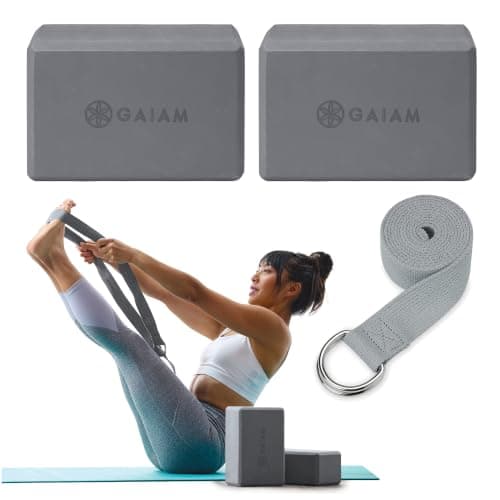
Gaiam Yoga Block & Strap Combo SetTwo blocks and a strap in one box, which between them cover the hamstrings, the hips, the shoulders and the chest. The whole starting answer.
Maker lists included: Two foam blocks and one strap
2 · Budget pick
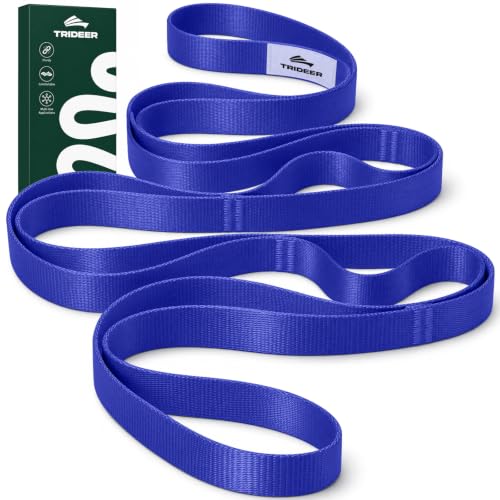
Trideer Yoga StrapThe cheapest prop here and the one that does the most for the least. Buy the long version: strap length is the spec that decides whether it works.
Maker lists material: Cotton webbing
3 · Best for deep hip work
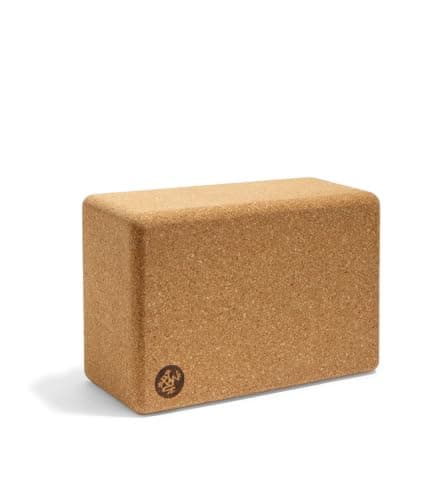
Manduka Cork Yoga BlockFirm enough to take real weight at a fixed height, so a long lunge or a seated fold can be held rather than fought.
Maker lists material: Recycled cork
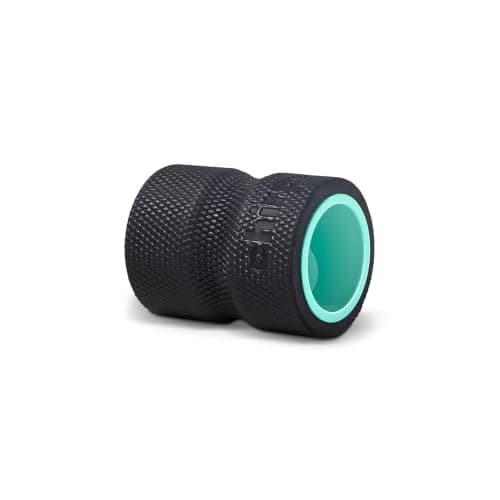
4 · Best for the chest and spine
Chirp WheelThe one prop here that opens the front of the body rather than the back of the legs. A different axis, and a real gap in a block-and-strap kit.
Maker lists design: Center spinal groove
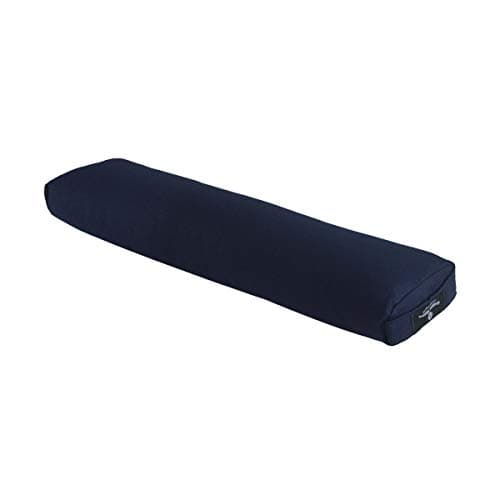
5 · Best for long holds
Hugger Mugger Pranayama Yoga BolsterSupported shapes you can stay in for minutes rather than breaths, which is where passive flexibility work actually happens.
Maker lists shape: Long and narrow
#ad · Prices come live from Amazon, last checked November 28, 2026. Figures here are the manufacturer's own. The ranking is editorial, made against the criteria on our How We Pick page, not from lab work. Photos come from Amazon. Tap a pick for the full write-up.
The short answer
Buy a block-and-strap set. The Gaiam combo set gives you two blocks and a strap in one box, and between them they cover the hamstrings, the hips, the shoulders and the chest, which is most of what anybody means by flexibility work. If you want to spend as little as possible, the Trideer strap is the budget pick and the single most useful prop per dollar on this page, as long as you buy it long enough.
The one real gap in a block-and-strap kit is the front of the body, and that is what the wheel is doing in this list rather than anything to do with hamstrings.
What a prop actually does for flexibility
Two things, and both are worth understanding because they decide which prop you need.
A prop lends you reach you do not have yet. If you cannot reach your foot in a seated fold, you either round your back to get there or you stop short. A strap gives you a third option: hold the strap instead of the foot, keep the spine long, and work at the angle the pose is actually for. Same logic for a block under a hand in a triangle.
A prop lets you stay. Flexibility changes over minutes, not seconds, and most people cannot hold an unsupported long stretch for minutes without starting to brace. Blocks and bolsters take enough weight that you can settle in and stop gripping, which is the whole mechanism behind restorative props as well.
Props by what you are trying to open
| What you want to open | The prop | How it is used |
|---|---|---|
| Hamstrings | Strap, 8 ft | Loop the foot, keep the spine long |
| Hips | Two firm blocks | Support the front knee or the sitting bones |
| Shoulders | Strap | Hands wider than a bind allows, then narrow it over weeks |
| Chest and front of spine | Wheel or bolster | Support under the back, let the ribs open |
| Low back, passively | Bolster under the knees | Removes the pull so you can stay for minutes |
The technique pages do the rest of the work: how to use a yoga strap, how to use yoga blocks and how to use a yoga wheel.
The one spec that decides it
Strap length. This is the single most common mistake in this category and it is entirely avoidable. Six feet is the length that comes in most bundles, and for an adult of average height working on hamstrings it is short enough to be frustrating: you end up holding the strap near your foot, which defeats the purpose.
Eight feet suits most adults, and ten is worth it if you are tall or want to use the strap for shoulder work behind your back. What size yoga strap do I need has the measurements, and it is the page to read before you buy a set rather than after.
Two mistakes worth avoiding
Buying soft blocks for long holds. Foam blocks are fine for a few breaths and compress over a few minutes, which is precisely when you wanted the height to stay where you put it. For flexibility work where you settle in, cork or wood is the better buy, and cork versus foam explains the difference in feel.
Using a prop to go further rather than to go longer. A strap makes it easy to pull yourself into a deeper position than your joints are ready to control. The gain in flexibility comes from time spent in a position you can breathe in, not from the furthest point you can reach with help.
What to look for
- Buy the strap long. Eight feet minimum. The cost difference is negligible and the usefulness difference is not.
- Two blocks, not one. Most of the useful block work is symmetrical, and one block leaves you improvising on the other side.
- Firm, if you hold positions. Cork or bamboo for long work, foam if your practice is quick and dynamic.
- Check the buckle. A D-ring holds under load and is easy to adjust one-handed; cheap cinch buckles slip at exactly the wrong moment.
In detail
Every pick, in full
1
Best overall
Gaiam Yoga Block & Strap Combo Set
As the manufacturer lists it · Gaiam
What it gets right
- One purchase covers every prop a beginner course asks for
- Cheaper than the same pieces bought separately
- Blocks match, which matters when you use two
What it does not
- Foam blocks, so they compress under standing weight
- 6 ft strap is short if you are tall
- Nothing here will be your last set
Skip it if
you already own a strap, or you know you want cork blocks.
#ad · Price as of November 28, 2026 · Affiliate disclosure for the link to Gaiam Yoga Block & Strap Combo Set
2
Budget pick
Trideer Yoga Strap
As the manufacturer lists it
What it gets right
- D-ring holds without creeping mid-stretch
- Cotton is kinder on bare skin than nylon
- Cheap enough to buy alongside blocks
What it does not
- No loops, so you set the length by hand each time
- Cotton frays at the cut end eventually
- 6 ft is short if you are tall
Skip it if
you want fixed loops to put a foot through — get a multi-loop strap.
#ad · Price as of November 28, 2026 · Affiliate disclosure for the link to Trideer Yoga Strap
3
Best for deep hip work
Manduka Cork Yoga Block
As the manufacturer lists it · Manduka
What it gets right
- Does not compress or skid under body weight
- Grippy even when your hands are damp
- Feels substantial rather than disposable
What it does not
- Hard edges are uncomfortable under a shoulder or hip
- Heavy to carry two of them
- Costs several times a foam block
Skip it if
you mainly want a block to lie on in restorative poses — foam is kinder there.
#ad · Price as of November 28, 2026 · Affiliate disclosure for the link to Manduka Cork Yoga Block
4
Best for the chest and spine
Chirp Wheel
As the manufacturer lists it
What it gets right
- The groove keeps pressure off the spine itself
- Three sizes let you choose how intense it is
- Useful on days you will not do a full practice
What it does not
- Narrower than a yoga wheel, so less stable for poses
- The small size is uncomfortable for beginners
- Really a massage tool rather than a yoga prop
Skip it if
you want a wheel to support backbends rather than to roll on.
#ad · Price as of November 28, 2026 · Affiliate disclosure for the link to Chirp Wheel
5
Best for long holds
Hugger Mugger Pranayama Yoga Bolster
As the manufacturer lists it · Hugger Mugger
What it gets right
- The right shape for lying along, not across
- Firm enough to still support after a year
- Cover comes off for washing
What it does not
- Too narrow to sit on comfortably
- Bulky to store in a small flat
- Expensive for a cushion
Skip it if
you want a bolster mainly to sit on for meditation — get a rectangular one.
#ad · Price as of November 28, 2026 · Affiliate disclosure for the link to Hugger Mugger Pranayama Yoga Bolster
If your flexibility work is really about a specific complaint rather than a general goal, two other pages are better aimed: a strap for posture covers the shoulders and the upper back, and blocks for sore wrists covers the weight-bearing end of it.
If the goal behind the shopping is flexibility rather than a yoga practice as such, yoga versus stretching is worth reading first: it changes which of these props is the right first purchase.
Buying the whole kit at once? Props at the entry ceiling ranks this list against a budget, and blocks for beginners is the page for the block decision on its own.
How we picked
Chosen on published criteria, and we say so
Most gear sites open by telling you how many hours they spent with the products. We have not used most of these, and we would rather say so than imply otherwise. Every pick here is chosen against criteria we publish — grip, cushioning, size options, what buyers report after a year of use, and whether the thing is still actually sold — and every manufacturer figure on the page is labeled as the maker's claim.
Nobody pays for a place on this page, no product was supplied free in exchange for coverage, and a specification the maker does not publish is never guessed at. See the full criteria and weighting.
FAQ
Questions people ask
Which yoga props help most with flexibility?
Does using props mean I am not really stretching?
What length strap do I need for hamstring work?
Is a yoga wheel useful for flexibility?
Foam or cork blocks for stretching?
Related
Keep reading
Update log
What changed
- First published.
Receipts
Sources
- 1.OutdoorGearLab — The Best Yoga Blocks
- 2.Yoga Journal — The Best Yoga Blocks
- 3.NCCIH (US National Institutes of Health) — Yoga: What You Need To Know
- 4.Brett Larkin Yoga — What is a yoga wheel? (diameters and what each one is for)
- 5.Gear Patrol — The Best Yoga Blocks
We have not used every product on this page, and we do not pretend otherwise. Thicknesses, materials, sizes and warranty terms are the manufacturer's published figures, shown as their claims. Anything about materials, skin or injury is linked to a source. Prices are set by Amazon and change constantly, so we never type one into the text — every figure comes from Amazon's own data, dated, and disappears rather than going stale. Read the full method.