Yoga Mats Best picks
Liforme Yoga Mat Alternatives, Ranked by Grip
The Liforme does four separate things, and no cheaper mat does all four. Decide which one you were buying and the shortlist writes itself.
We earn a commission when you buy through links on this page, at no extra cost to you. It never decides a ranking: the method is published. How we are funded
Quick picks
The short answer
1 · Best overall alternative
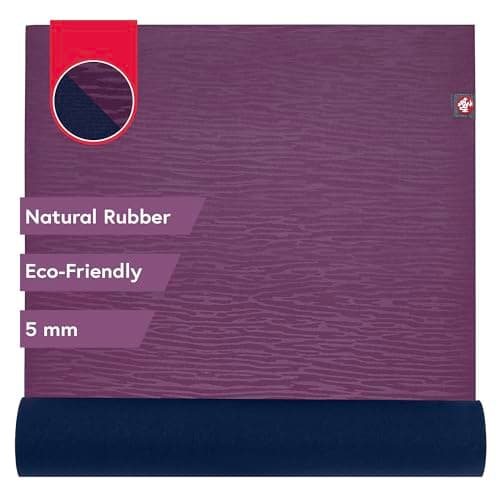
Manduka eKO 5mmNatural rubber that grips from the first session with no break-in, which is the single property most people are shopping for. The rubber smell is strong for a couple of weeks.
Maker lists thickness: 5 mm
2 · Best for a wet practice
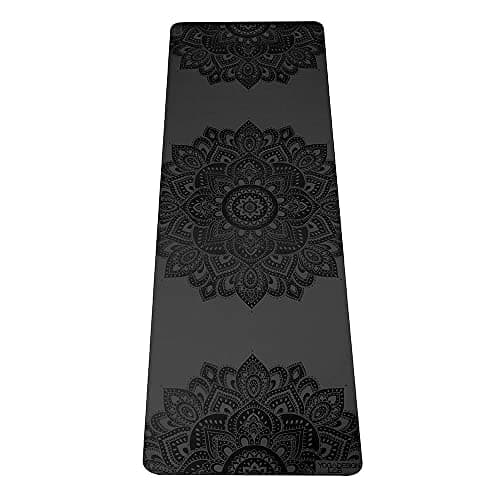
Yoga Design Lab Infinity MatA bonded microfiber top, so wet hands grip better than dry ones. The only mat here that gets more secure as you sweat rather than less.
Maker lists top surface: Microfiber, bonded
3 · Budget pick
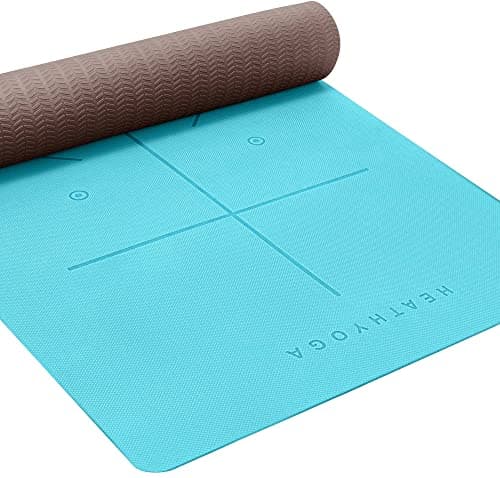
Heathyoga Eco Friendly TPE MatAlignment markings at a small fraction of the original, on a mat that is wider than standard. TPE grip is average and fades when damp, and that is the trade.
Maker lists thickness: 6 mm
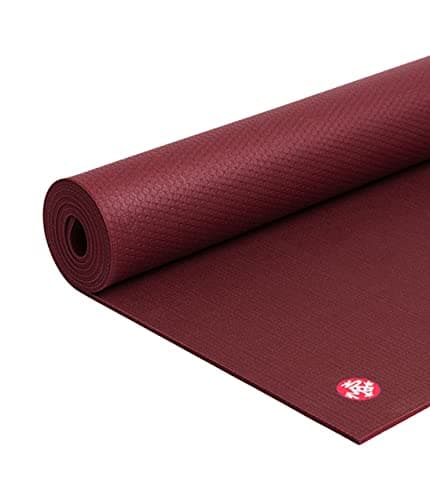
4 · Best if longevity was the draw
Manduka PRO 6mmClosed-cell PVC and a lifetime guarantee on the maker's terms. It outlasts every grip-top mat here, and it is slippery until it is broken in — the opposite trade.
Maker lists thickness: 6 mm
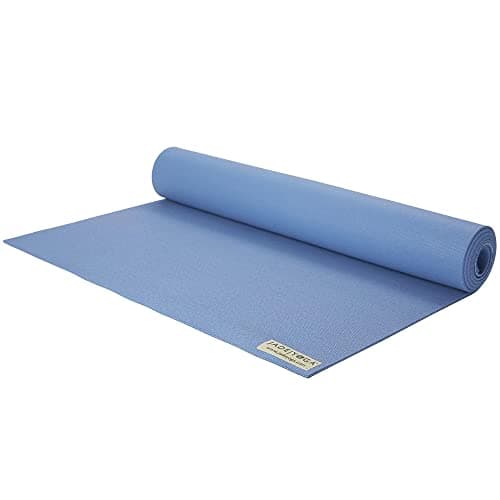
5 · Best dry grip
JadeYoga Harmony MatOpen-cell rubber with the stickiest dry surface on the page. It absorbs sweat rather than shedding it, so it needs airing and it wears faster.
Maker lists thickness: 3/16 in (about 4.8 mm)
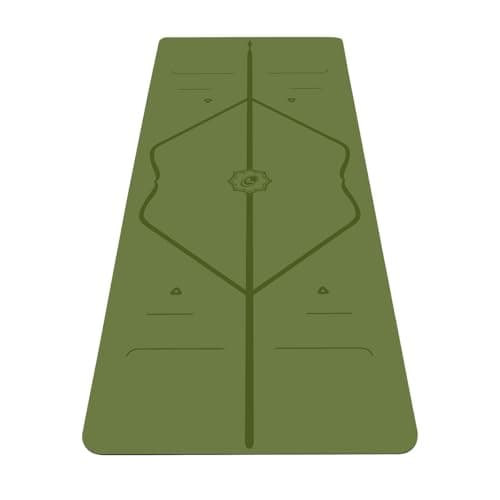
6 · The original, for comparison
Liforme Original Yoga MatListed here so you can read its live price against the alternatives rather than against a number someone typed last year. Nothing below matches all four of its properties at once.
Maker lists thickness: 4.2 mm
#ad · Prices come live from Amazon, last checked November 28, 2026. Figures here are the manufacturer's own. The ranking is editorial, made against the criteria on our How We Pick page, not from lab work. Photos come from Amazon. Tap a pick for the full write-up.
The short answer
Buy the Manduka eKO. Natural rubber, grip from the first session, no break-in period, and roughly half the outlay. It is the closest honest answer for most people asking this question, because wet grip is almost always the property they were really buying.
If you sweat heavily, the Yoga Design Lab Infinity is the better pick — its bonded microfiber top gets grippier as it gets damp, which is a different mechanism from rubber and a better one in a hot room. If the alignment markings were the draw, the Heathyoga TPE mat is the budget pick, and it is honest about what you give up: the lines are there, the grip is not.
And one thing worth checking before you decide anything: the original and the long-life Manduka PRO sit close enough in price that which one is cheaper changes from week to week. Both are on this page with live prices, so read them rather than assuming.
What the Liforme is known for
The Liforme is a premium mat with a genuine reason to exist, and it is worth being precise about what that reason is before shopping around it. Four properties, in the order people value them:
- Grip that survives sweat. A grip-top layer over a natural rubber base, which holds when your palms are actually wet rather than merely warm. Most mats grip dry and let go damp; this is the difference buyers pay for.
- Etched alignment markings. A center line and angled markers, which are a real teaching aid while you are learning to square your hips and set your hands.
- Extra width and length. The maker lists it at about 73 by 27 inches, which is longer and wider than a standard mat. If you are tall or you drift, that is not a cosmetic difference.
- No break-in. It works on day one, which a closed-cell PVC mat emphatically does not.
The honest drawbacks are the ones you would expect of that construction: it is the most expensive mat on this site, the grip-top layer wears faster over years than PVC does, and it is heavy enough that you will not want to carry it far. Liforme versus the Manduka PRO sets those trades against each other directly, and the three-way comparison adds the rubber option.
Which property are you replacing?
This is the whole decision. Nothing cheaper does all four things, so pick the one that made you want the mat and buy for that.
| What you wanted | What to buy instead | What it costs you |
|---|---|---|
| Grip when your hands are wet | Manduka eKO (natural rubber) | Strong rubber smell for the first weeks; no markings |
| Grip that improves as you sweat | Yoga Design Lab Infinity | Feels slick when bone dry; slower to dry after washing |
| The alignment markings | Heathyoga TPE | Average grip that fades when damp; printed lines fade with use |
| A mat that lasts for years | Manduka PRO (closed-cell PVC) | Slippery until broken in; heavy; no markings |
| The stickiest possible dry surface | JadeYoga Harmony | Open cell absorbs sweat; needs airing; wears faster |
| Extra length and width | Manduka PRO in its longer size, or Jade's long version | Neither gives you the grip top or the markings |
Two of those rows deserve a flag. The markings row is the weakest substitution on the page: lines are cheap to print and grip is expensive to engineer, so a budget mat with markings is giving you the cheap half. And the longevity row inverts the price logic — a lifetime-guarantee PVC mat is not a budget alternative to a premium grip mat, it is a different premium mat. The live prices on this page make that obvious in a way a written number never could.
The two routes to wet grip
Every mat that holds a wet hand does it one of two ways, and knowing which is which saves you from buying the wrong one twice.
Route one: rubber. Natural rubber is naturally tacky, and open-cell rubber is tackier still because the surface is slightly porous. The eKO and the Jade Harmony both take this route. The cost is smell for the first couple of weeks, weight, a shorter life than PVC, and — for the open-cell ones — a surface that drinks sweat and has to be dried properly. Open cell versus closed cell is the full version of that trade, and Jade versus eKO compares the two mats directly.
Route two: a bonded top layer. A grip-top or microfiber face laminated onto a rubber base, which is what the Liforme and the YDL Infinity both do. These are the mats that genuinely get better as you sweat, and they are also the mats whose top layer is the wear item. If you practice hot, this is the route that works; if you practice in a cool room and rarely sweat, you are paying for a property you will not use.
A third non-route, for completeness: a towel over a cheap mat. It works, it costs very little, and it slides around in standing poses. Yoga towels covers it honestly, and why mats get slippery is worth reading first if your current mat used to grip and no longer does — that is often a cleaning problem rather than a mat problem.
What no alternative reproduces
Three things, stated plainly, because an alternatives page that pretends otherwise is not much use.
The markings and the grip in one mat. You can buy grip, and you can buy markings, and at this price level you cannot buy both. The mats that pair an etched alignment system with a sweat-proof top layer are premium mats, and the original is one of them. Mats with alignment lines is the page to read if the markings are genuinely non-negotiable.
The width, on most of the cheap field. Standard is about 24 inches, and once you have practiced on something wider it is hard to go back. The Heathyoga is wider than standard, which is part of why it is on this list; most budget mats are not.
A single mat that does everything. The reason this category resists a clean answer is that grip, cushion, weight and lifespan trade against each other physically, not commercially. Mat materials explained walks through why, and how to choose a yoga mat is the decision framework rather than a list.
What to look for
- Buy for your room, not for the review. Wet grip matters enormously in a heated room and barely at all in a cool one. Mats for hot yoga and mats for sweaty hands are the problem-first versions of this page.
- Check the length against your height. A standard mat is 68 to 71 inches. If you are near six foot, the longer versions are the difference between a mat that works and one you hang off.
- Latex, if it is a concern. Natural rubber mats contain latex. Anyone with a sensitivity wants TPE or PVC, which rules out both rubber routes above.
- Expect a rubber smell, and expect it to pass. Every natural rubber mat smells for the first week or two. It is not a defect, and why mats smell covers how to speed it up.
- Match the cleaner to the surface. The quickest way to ruin a grip-top or open-cell mat is the wrong spray. Mat cleaners is sorted by the material each maker rates it for.
- Do not buy thicker to get grippier. They are unrelated properties, and the thicker mat will cost you stability in standing balances. Thickness treats it as its own decision.
In detail
Every pick, in full
1
Best overall alternative
Manduka eKO 5mm
As the manufacturer lists it · Manduka
What it gets right
- Grippy immediately, dry or lightly damp
- Enough cushion for most floor work
- Natural rubber rather than PVC
What it does not
- Distinct rubber smell for the first weeks
- Heavier than a PVC mat of the same thickness
- Natural rubber contains latex proteins
Skip it if
you have a latex allergy, or a strong rubber smell in a small room would put you off practicing.
#ad · Price as of November 28, 2026 · Affiliate disclosure for the link to Manduka eKO 5mm
2
Best for a wet practice
Yoga Design Lab Infinity Mat
As the manufacturer lists it · Yoga Design Lab
What it gets right
- Wet hands grip better than dry ones
- No separate towel to buy or straighten mid-flow
- Washable, which matters after hot classes
What it does not
- Feels slick when completely dry
- Takes a while to dry after washing
- Printed designs are not for everyone
Skip it if
you practice in a cool room and never sweat much.
#ad · Price as of November 28, 2026 · Affiliate disclosure for the link to Yoga Design Lab Infinity Mat
3
Budget pick
Heathyoga Eco Friendly TPE Mat
As the manufacturer lists it
What it gets right
- Body-alignment lines help you square up without a teacher
- 26 in wide, which is roomier than a standard mat
- TPE has almost no smell compared with rubber
What it does not
- Grip is average and drops off when damp
- TPE is softer and marks more easily than rubber
- Printed lines fade with heavy use
Skip it if
grip is your main problem — lines will not stop you sliding.
#ad · Price as of November 28, 2026 · Affiliate disclosure for the link to Heathyoga Eco Friendly TPE Mat
4
Best if longevity was the draw
Manduka PRO 6mm
As the manufacturer lists it · Manduka
What it gets right
- Dense enough that kneeling and forearm work stop hurting
- Closed cell, so sweat sits on top instead of soaking in
- Genuinely lasts — the lifetime guarantee is the maker's own
- An 85 in version exists if you are tall
What it does not
- Heavy. This is not a mat you carry far
- Slippery out of the box until the surface is broken in
- Closed-cell grip drops away once your hands are wet
Skip it if
you want grip on day one, practice hot, or need to carry the mat anywhere.
#ad · Price as of November 28, 2026 · Affiliate disclosure for the link to Manduka PRO 6mm
5
Best dry grip
JadeYoga Harmony Mat
As the manufacturer lists it · JadeYoga
What it gets right
- Hands and feet stop sliding, immediately
- Three lengths, including a genuinely long option
- Jade states it plants a tree for every mat sold
What it does not
- Open cell absorbs sweat and needs drying between sessions
- Sheds a little rubber dust early on
- Wears faster than a closed-cell PVC mat
Skip it if
you practice hot and cannot air the mat properly afterwards.
#ad · Price as of November 28, 2026 · Affiliate disclosure for the link to JadeYoga Harmony Mat
6
The original, for comparison
Liforme Original Yoga Mat
As the manufacturer lists it · Liforme
What it gets right
- Grip holds up as you sweat, not just when dry
- Alignment markers are a real teaching aid at the start
- Wider and longer than a standard mat
What it does not
- Expensive enough to be a considered purchase
- The top layer wears faster than PVC over years
- Heavy to carry regularly
Skip it if
you are not yet sure you will keep practicing — buy a cheap mat first and upgrade to this one.
#ad · Price as of November 28, 2026 · Affiliate disclosure for the link to Liforme Original Yoga Mat
If you are shopping brand alternatives more broadly, the site has two neighbors to this page. Manduka alternatives starts from a closed-cell PVC mat and therefore reaches a different shortlist, and Lululemon yoga mat alternatives starts from the other well-known grip-top mat. For the apparel version of the same instinct, Lululemon leggings alternatives applies the same method to a different category.
If a budget rather than a brand is what is driving this, mats under a mid-range ceiling covers the band the original sits in, and how much a mat should cost explains what each tier actually buys you. First mat rather than an upgrade? Mats for beginners is the page to start on.
One note on the prices here. Every figure on this page is read from the retailer when you load it and stamped with the time it was read, which matters more than usual on a brand-alternative page: the gap between a premium mat and its alternatives is exactly the thing that moves during a sale, and a number written into an article months ago would quietly mislead you about the whole comparison.
How we picked
Chosen on published criteria, and we say so
Most gear sites open by telling you how many hours they spent with the products. We have not used most of these, and we would rather say so than imply otherwise. Every pick here is chosen against criteria we publish — grip, cushioning, size options, what buyers report after a year of use, and whether the thing is still actually sold — and every manufacturer figure on the page is labeled as the maker's claim.
Nobody pays for a place on this page, no product was supplied free in exchange for coverage, and a specification the maker does not publish is never guessed at. See the full criteria and weighting.
FAQ
Questions people ask
What is the best alternative to a Liforme yoga mat?
Is there a cheap mat with alignment lines like the Liforme?
Why is the Liforme so expensive?
Will a yoga towel on a cheap mat do the same job?
Does the Liforme contain latex?
Is the Manduka PRO a cheaper alternative to the Liforme?
Related
Keep reading
- Best yoga mats with alignment linesThe page to read if the markings are the part you will not give up.
- Liforme vs Manduka PROThe two premium routes set directly against each other.
- Manduka alternativesThe same question starting from a closed-cell PVC mat.
- Best yoga mats for sweaty handsThe problem-first version, if grip is really why you are here.
Update log
What changed
- First published.
Receipts
Sources
- 1.Liforme — product information
- 2.Manduka — product information
- 3.JadeYoga — product information
- 4.Yoga Design Lab — product information
- 5.Yoga Design Lab — Infinity Mat (the bonded microfiber top over a natural rubber base, and the washing instructions)
- 6.OutdoorGearLab — The Best Yoga Mats
- 7.Treeline Review — Best Yoga Mats
- 8.AAAAI — Latex allergy
We have not used every product on this page, and we do not pretend otherwise. Thicknesses, materials, sizes and warranty terms are the manufacturer's published figures, shown as their claims. Anything about materials, skin or injury is linked to a source. Prices are set by Amazon and change constantly, so we never type one into the text — every figure comes from Amazon's own data, dated, and disappears rather than going stale. Read the full method.