Yoga Mats Best picks
The Best Lululemon Yoga Mat Alternatives
The lululemon mat earned its reputation on one thing: grip when your hands are wet. Picking a replacement is a question of which part of it you want, because the like-for-like swap is not the cheap one.
We earn a commission when you buy through links on this page, at no extra cost to you. It never decides a ranking: the method is published. How we are funded
Quick picks
The short answer
1 · Closest straight swap
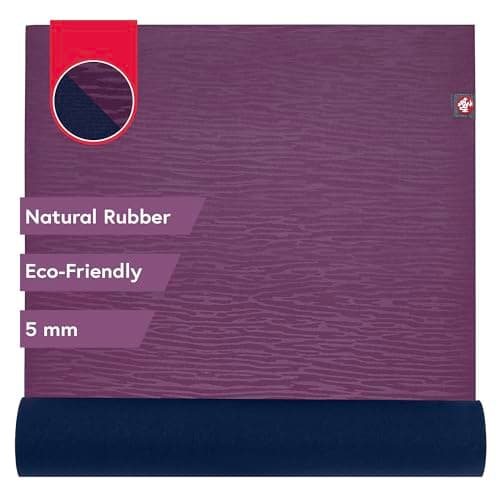
Manduka eKO 5mmThe same 5 mm of natural rubber, grippy from the first session, with no bonded top layer to wear through. Priced like the mat it replaces, not below it.
Maker lists thickness: 5 mm
2 · Best wet grip
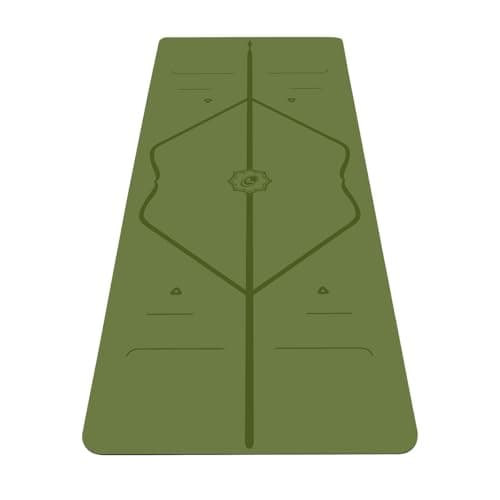
Liforme Original Yoga MatThe one mat here that beats a lululemon mat at the thing lululemon is bought for, and comfortably the most expensive. An upgrade, not a replacement.
Maker lists thickness: 4.2 mm
3 · Best for a sweaty room
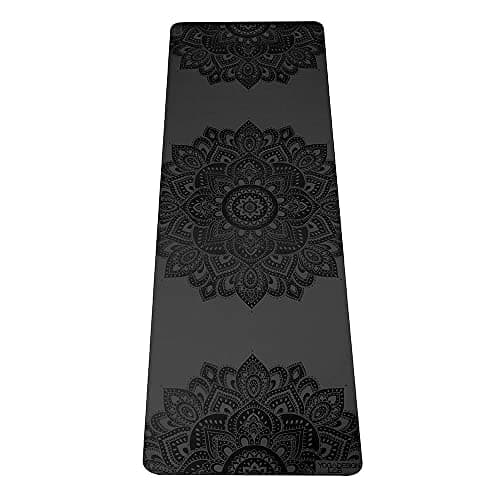
Yoga Design Lab Infinity MatA bonded microfiber top over rubber, so it behaves like a mat with the towel already on it. The sweatier your practice, the better it gets.
Maker lists top surface: Microfiber, bonded
4 · Best dry grip
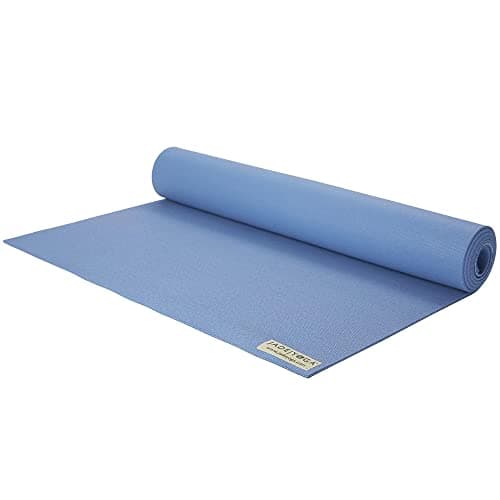
JadeYoga Harmony MatOpen-cell rubber with the stickiest dry surface here, made in the US, and lighter to carry than a 5 mm mat.
Maker lists thickness: 3/16 in (about 4.8 mm)
5 · Best cheap stand-in
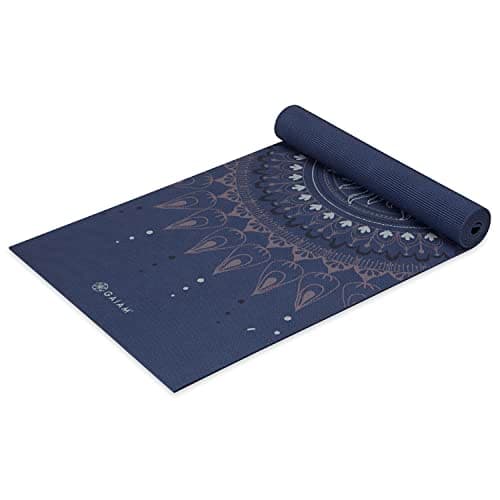
Gaiam Premium 6mm Yoga MatThe only pick here that is genuinely a fraction of the money, and the only one that is a real downgrade in surface. More cushion, no wet grip.
Maker lists thickness: 6 mm
#ad · Prices come live from Amazon, last checked November 28, 2026. Figures here are the manufacturer's own. The ranking is editorial, made against the criteria on our How We Pick page, not from lab work. Photos come from Amazon. Tap a pick for the full write-up.
The short answer
Buy a 5 mm natural rubber mat from a mat specialist, and expect to pay about what the lululemon mat costs. That is the honest headline and it is not the one this search usually hopes for. Natural rubber at 5 mm is the construction underneath both of lululemon’s own 5 mm mats, and every mat on the market built the same way sits in the same price neighborhood or above it. There is no cheaper mat with the same surface. What there is, is a choice of what you get instead.
So read this page as a swap rather than a saving. Trade sideways and you can have a longer-wearing surface, a stickier dry grip, or a top layer built for a hot room, all for roughly the same outlay. Trade down and the money is real, but you are changing material, not brand: a cushioned PVC mat costs a small fraction of any of this and it loses grip the moment your palms are damp. That is a fine trade if you know you are making it and a bad surprise if you do not.
What the original is good at
Worth setting out plainly, because a page like this is useless if it pretends the original is bad. Three things, from the maker’s own published information and from reviewers who have used one for months:
- Grip when your hands are wet. The polyurethane top on The Mat absorbs surface moisture rather than letting it sit, which is why reviewers consistently rate it for hot and sweaty practice. This is the real selling point and it is not marketing.
- A genuinely standard, generous size. Both 5 mm mats are published at 71 by 26 inches. Twenty-six inches is two inches wider than the cheap-mat default, and you notice it in anything with a wide stance.
- Weight that keeps it still. About 5.2 pounds for the 5 mm. Heavy to carry and the reason the mat does not travel across the floor underneath you, which is the trade mats for a hard floor works through in more detail.
And the honest limits, which are also why people shop for alternatives: the polyurethane top wears faster than the rubber under it, so a daily hot practice shortens its life; it is at the premium end of the price range; and the surface marks. None of that makes it a bad mat. It makes it a mat with a specific profile, which is exactly what you need to know before replacing it.
What to match it on
Four specifications, in the order that actually affects how a replacement feels:
- Surface, not thickness. The grip difference between a bonded grip-top, bare natural rubber, open-cell rubber and PVC is enormous. The cushion difference between 4.7 mm and 6 mm is small. People shop on the second number and are disappointed by the first.
- Wet versus dry grip. These are not the same property and some mats are excellent at one and poor at the other. Open-cell rubber is the stickiest dry surface made and it drinks sweat; a bonded grip-top is mediocre dry and holds when wet.
- Width and length. 26 inches wide and 71 long is what you are replacing. A 24 by 68 budget mat is smaller in both directions, and that is the single most common complaint about trading down.
- Lifespan. A dense closed-cell mat outlasts a bonded top layer by years, which is why the cheapest-per-year option on this page is not the cheapest mat on it. Covered properly in how long a yoga mat lasts.
What does not matter: alignment lines unless you want them, the color, the carry strap, and the brand name on the end. What also does not matter much is the thickness number on its own, which is why the thickness guide spends most of its time on density instead.
Pick by your reason for leaving
| Why you are replacing it | What to buy | What changes |
|---|---|---|
| It costs too much | A cushioned PVC mat, not a rubber one | Real money saved. Grip fades as you sweat, and so does the lifespan |
| I want the same thing without the logo | 5 mm natural rubber from a mat specialist | Same material, same cushion, similar price, no bonded layer to wear out |
| The top layer wore out | A dense closed-cell mat | Years rather than seasons, at the cost of a break-in period before it grips |
| It still slips when I sweat | A grip-top rubber mat, or a bonded microfiber top | Better wet grip than you had. Costs more, not less |
| I practice dry and want more stick | Open-cell natural rubber | The stickiest dry surface there is. Needs airing and wears faster |
| I am not sure I will keep practicing | A cushioned PVC mat in the cheapest bracket | More cushion, much less money, and grip that fades as you sweat |
| I want the alignment markings | A grip-top mat with printed guides | A real teaching aid at the start, and the top layer still wears |
The second row is the one most people on this page are actually in, and it is the reason the natural rubber mat leads it. A 5 mm rubber mat from a company that only makes mats gives you the same material, the same cushion band and the same immediate grip, with no bonded top layer to wear through. What it does not give you is a lower price. If you are not dripping with sweat, the property you stop paying for is one you were not using; if you are, keep reading.
The third row is the one worth being careful about, because it is the only row where the honest advice is to spend more. There is one mainstream mat that reliably outperforms a polyurethane grip-top with wet hands, and it is the most expensive mat on this site. If the slipping is the whole problem, the cheaper intermediate step is to keep the mat and add a towel — whether you need a yoga towel makes that case, and it costs a fraction of any mat here.
Two rows deliberately have the same answer in different words: if the top layer wearing out is what sent you looking, a dense closed-cell mat is the only construction on the market that genuinely solves it, and the grip-top versus closed-cell comparison is the argument in full. It is the slipperiest mat here for the first few weeks, which is an odd thing to recommend to someone leaving a mat over grip, and it is also the last mat you will buy.
The cheap-replacement trap
The most common version of this search ends with a cheap foam mat, and it is worth walking through exactly what happens, because the outcome is predictable. A thick PVC or TPE mat in the cheapest bracket is more cushioned than any mat on this page. Kneeling is kinder, floor work is softer, and for the first two weeks it feels like a straight upgrade.
Then two things show up. The first is grip: foam surfaces are fine dry and go slick as soon as your palms are damp, and a slick mat in a downward dog is the thing you were trying to escape. The second is stability — the extra cushion that makes kneeling nicer is the same cushion that makes a standing balance wobble, because your foot sinks into it. Both effects are real and both are why the entry-level mats page is written for someone starting out rather than for someone trading down from a good mat.
That is not an argument against buying cheap. It is an argument for knowing which property you are selling, because on this page the cheap mat is the only route to a genuinely lower bill. If the reason you are replacing a premium mat is that you are not sure you will keep practicing, the cheap mat is the correct answer and the cushion is a bonus. If the reason is that the old mat finally wore out after years of use, the cheap mat will disappoint you inside a month, and what a mat should cost sets out the tiers so the jump is a decision rather than a shock.
One more thing that gets missed: the size. A lot of budget mats are 68 by 24 inches, and you are replacing something 71 by 26. Three inches of length and two of width sounds trivial written down and is the difference between your back foot landing on the mat in a wide stance and landing on the floor. The size guide has the heights-to-lengths table if you are tall enough for this to matter.
In detail
Every pick, in full
1
Closest straight swap
Manduka eKO 5mm
As the manufacturer lists it · Manduka
What it gets right
- Grippy immediately, dry or lightly damp
- Enough cushion for most floor work
- Natural rubber rather than PVC
What it does not
- Distinct rubber smell for the first weeks
- Heavier than a PVC mat of the same thickness
- Natural rubber contains latex proteins
Skip it if
you have a latex allergy, or a strong rubber smell in a small room would put you off practicing.
#ad · Price as of November 28, 2026 · Affiliate disclosure for the link to Manduka eKO 5mm
2
Best wet grip
Liforme Original Yoga Mat
As the manufacturer lists it · Liforme
What it gets right
- Grip holds up as you sweat, not just when dry
- Alignment markers are a real teaching aid at the start
- Wider and longer than a standard mat
What it does not
- Expensive enough to be a considered purchase
- The top layer wears faster than PVC over years
- Heavy to carry regularly
Skip it if
you are not yet sure you will keep practicing — buy a cheap mat first and upgrade to this one.
#ad · Price as of November 28, 2026 · Affiliate disclosure for the link to Liforme Original Yoga Mat
3
Best for a sweaty room
Yoga Design Lab Infinity Mat
As the manufacturer lists it · Yoga Design Lab
What it gets right
- Wet hands grip better than dry ones
- No separate towel to buy or straighten mid-flow
- Washable, which matters after hot classes
What it does not
- Feels slick when completely dry
- Takes a while to dry after washing
- Printed designs are not for everyone
Skip it if
you practice in a cool room and never sweat much.
#ad · Price as of November 28, 2026 · Affiliate disclosure for the link to Yoga Design Lab Infinity Mat
4
Best dry grip
JadeYoga Harmony Mat
As the manufacturer lists it · JadeYoga
What it gets right
- Hands and feet stop sliding, immediately
- Three lengths, including a genuinely long option
- Jade states it plants a tree for every mat sold
What it does not
- Open cell absorbs sweat and needs drying between sessions
- Sheds a little rubber dust early on
- Wears faster than a closed-cell PVC mat
Skip it if
you practice hot and cannot air the mat properly afterwards.
#ad · Price as of November 28, 2026 · Affiliate disclosure for the link to JadeYoga Harmony Mat
5
Best cheap stand-in
Gaiam Premium 6mm Yoga Mat
As the manufacturer lists it · Gaiam
What it gets right
- Cushioned enough that floor work is comfortable on day one
- Light and easy to roll
- Cheap enough to be a low-risk first purchase
What it does not
- Grip fades as you sweat
- 68 in is short if you are tall
- Will not last the years a Manduka or Jade will
Skip it if
you already know you sweat heavily, or you are over about 5 ft 10 in.
#ad · Price as of November 28, 2026 · Affiliate disclosure for the link to Gaiam Premium 6mm Yoga Mat
What to look for
- Natural rubber at 4 to 6 mm, if you want the same object for less. That is the material and the band you are replacing, and it is what the pick at the top of this page is.
- A bonded grip-top or a bonded microfiber top, if wet grip is the whole reason. Both are built for moisture in a way bare rubber and PVC are not.
- 26 inches wide, 71 long or more. Match what you had. This is the specification people forget and then regret.
- Closed-cell if you sweat and cannot air the mat; open-cell if you practice dry and want maximum stick. Open-cell absorbs, which is a feature for grip and a problem for hygiene — open versus closed cell is the whole distinction in one page.
- Check for latex if that matters to you. Natural rubber contains latex proteins, and nearly every alternative to a lululemon mat in the same quality band is natural rubber. A PVC or TPE mat is the way around it.
- Expect a rubber smell on anything natural-rubber for the first couple of weeks. It fades. Why a new mat smells covers what helps and what does not.
A note on how to read the prices on this page. All five picks carry a live price pulled from the retailer, so you can see the shape of this for yourself rather than taking our word for it. Four of the five sit in the same broad band as a lululemon mat or above it; one is a small fraction of all of them and is the one with the worst surface. That is the whole economics of this category: brand is not what you are paying for, material is. If you are in it for the long run, the sum that matters is cost per year rather than cost, and that favors whichever mat here has no bonded layer to wear away.
Finally, the thing worth saying about brand: lululemon is a clothing company that makes a good mat, and the companies in this list are mat companies that make nothing else. That is not a knock on either side. It does mean that when you compare like with like on surface, size and construction, the mat specialists generally give you more mat for the money, and the clothing brand gives you a mat that matches everything else you own. Decide which of those you were buying.
If you have not actually decided yet, how to choose a yoga mat starts from the practice rather than from the brand, and the beginner mats page is the shorter list if this is a first mat rather than a replacement.
The same exercise for the other premium brand people ask about is in Manduka alternatives, where the strength being matched is density and lifespan rather than wet grip.
The third brand in that set is covered too: Liforme alternatives starts from the other grip-top mat, and adds the alignment markings to the list of properties being matched.
How we picked
Chosen on published criteria, and we say so
Most gear sites open by telling you how many hours they spent with the products. We have not used most of these, and we would rather say so than imply otherwise. Every pick here is chosen against criteria we publish — grip, cushioning, size options, what buyers report after a year of use, and whether the thing is still actually sold — and every manufacturer figure on the page is labeled as the maker's claim.
Nobody pays for a place on this page, no product was supplied free in exchange for coverage, and a specification the maker does not publish is never guessed at. See the full criteria and weighting.
FAQ
Questions people ask
What is a good alternative to the lululemon yoga mat?
What is the lululemon mat actually made of?
Is there a mat that grips better than a lululemon mat?
Is a cheap mat a reasonable replacement?
Why did my lululemon mat stop gripping?
Do any alternatives come with alignment lines?
Related
Keep reading
Update log
What changed
- First published.
Receipts
Sources
- 1.lululemon — The Mat 5mm (the polyurethane top layer over a rubber base, and the published 71 x 26 in size)
- 2.lululemon — The Reversible Mat 5mm (natural rubber base, antimicrobial additive, 71 x 26 in, about 5.24 lb)
- 3.Garage Gym Reviews — lululemon The Mat 5mm (what the polyurethane top does for wet grip, and where the mat wears)
- 4.CorePower Yoga shop — lululemon The Mat 5mm listed at its regular retail price, used here only to place the mat in a price band
- 5.Manduka — product information
- 6.JadeYoga — product information
- 7.Liforme — product information
- 8.Yoga Design Lab — Infinity Mat (the bonded microfiber top over a natural rubber base, and the washing instructions)
- 9.OutdoorGearLab — The Best Yoga Mats
We have not used every product on this page, and we do not pretend otherwise. Thicknesses, materials, sizes and warranty terms are the manufacturer's published figures, shown as their claims. Anything about materials, skin or injury is linked to a source. Prices are set by Amazon and change constantly, so we never type one into the text — every figure comes from Amazon's own data, dated, and disappears rather than going stale. Read the full method.